Blog
Plain Outfit? Fix It with Flower Lace and Sequin Appliqués
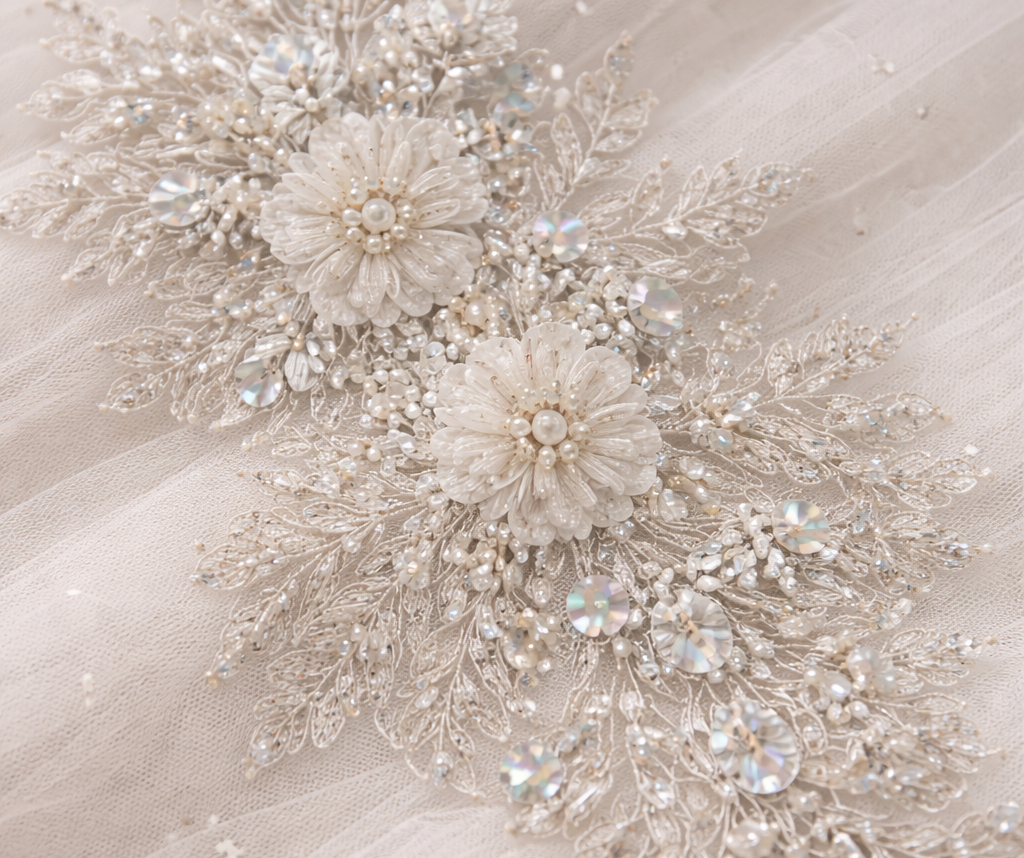
Plain clothing and simple sewing projects often look unfinished. Many designers, crafters, and online sellers run into this problem. A dress may fit perfectly but still look basic. Handmade items sometimes fail to stand out in product photos. That challenge affects both hobby sewers and professional clothing sellers.
Embellished Lace Fabric: Sequins, Rhinestones & Appliqués
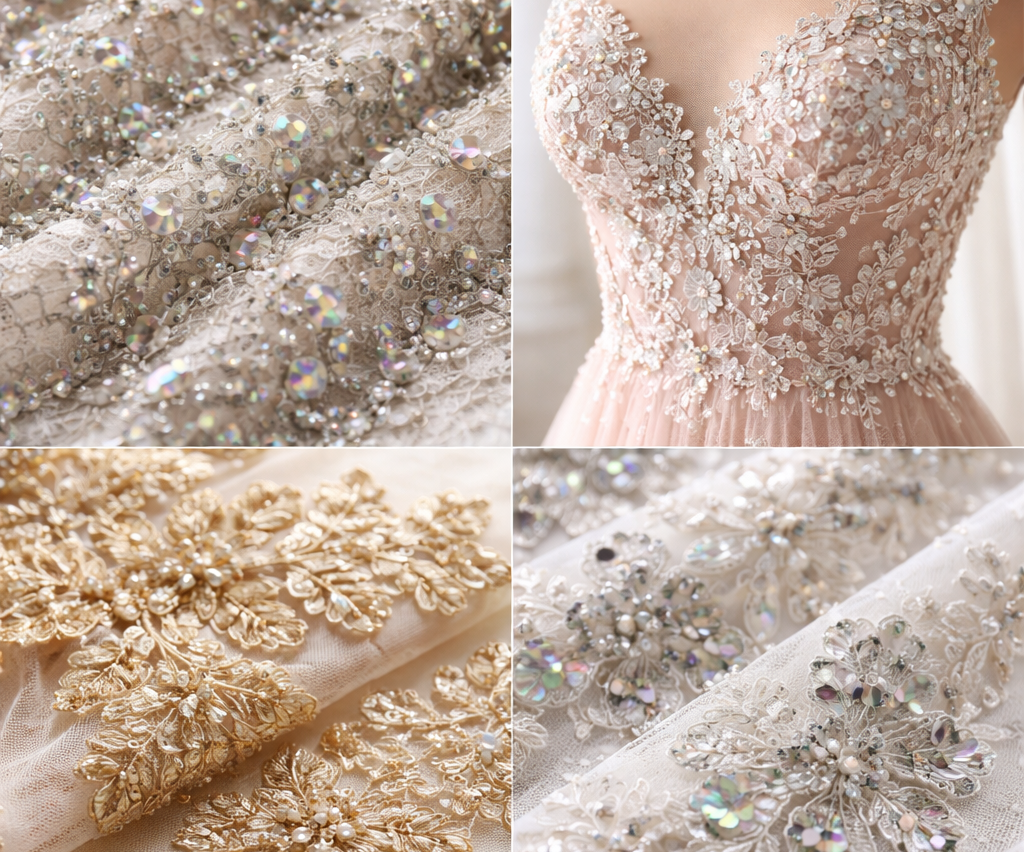
Lace with sequins, rhinestones, and sequin appliqués has become a popular upgrade for clothing, crafts, and DIY fashion projects. Many people struggle with outfits that look plain or sewing projects that feel unfinished. That problem shows up everywhere—from evening dresses to handmade accessories. According to Statista fashion reports, embellished fabrics have seen steady growth in global apparel sales, especially in special occasion clothing and craft markets.
Flower Lace Embroidery with Sequin Appliqués for Fashion Design
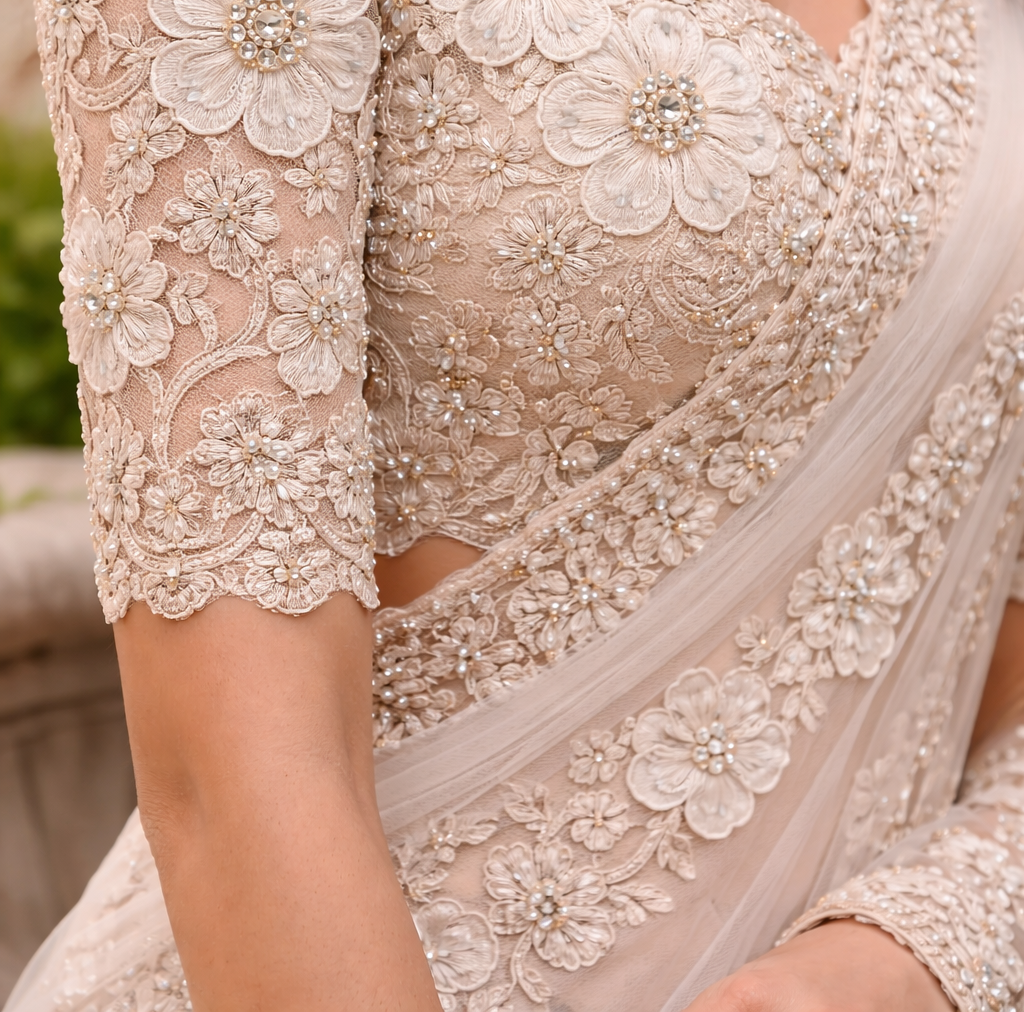
Plain embroidery often looks flat and can lose strength after washing or heavy use. Corded embroidery and embroidered flower lace solve this problem by adding raised 2 mm cords and structured motifs. When combined with rhinestone and sequin appliqués, the design gains texture and shine. Lace made from 100% rayon at around 55 g/m² provides flexibility while maintaining durability. Many sellers use 12 cm lace motifs and 5 mm sequins to decorate garments quickly. A case study from a Kanpur eBay seller showed sales doubling from $400 to $800 per month after adding lace and appliqués. This method helps crafters produce stronger, more attractive designs without spending hours on complex embroidery.
Why Sequin Lace Appliqués Make DIY Projects Better
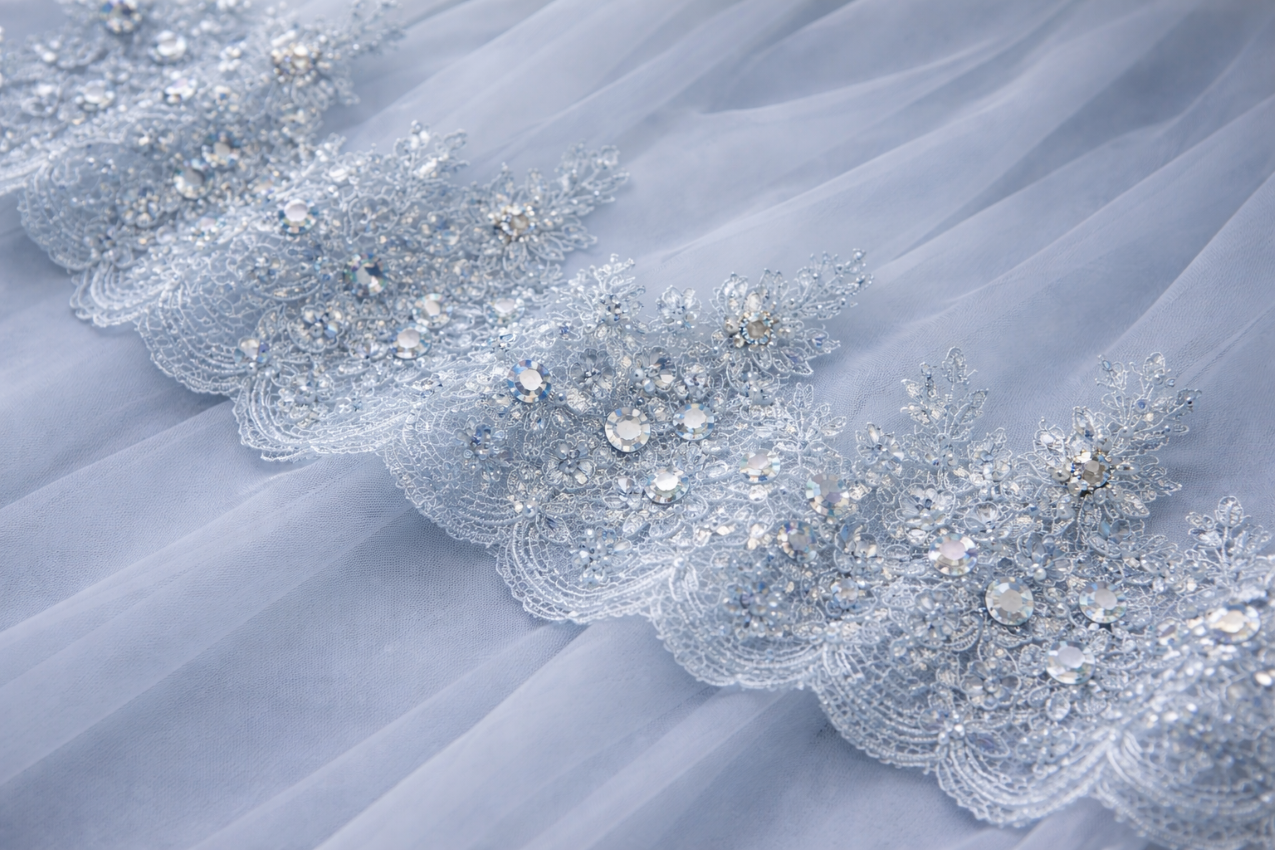
Sequin and rhinestone lace appliqués help upgrade DIY sewing and craft projects. Many cheap trims fail because of weak glue, poor stitching, or plastic stones that lose shine. Good appliqués solve these problems by using nylon lace around 50g/m², glass rhinestones sized 3–5mm, and stitched sequins. Strong heat-bond adhesives can withstand up to 2kg pull force and survive washing at 40°C. These trims can be sewn or heat pressed onto garments. A small Etsy seller case study showed revenue rising from $500 to $1500 monthly after adding rhinestone lace trims to dresses. For crafters and small sellers, durable appliqués offer a simple upgrade.
Boost Conversion Rates with Beaded Lace and Sequin Appliques
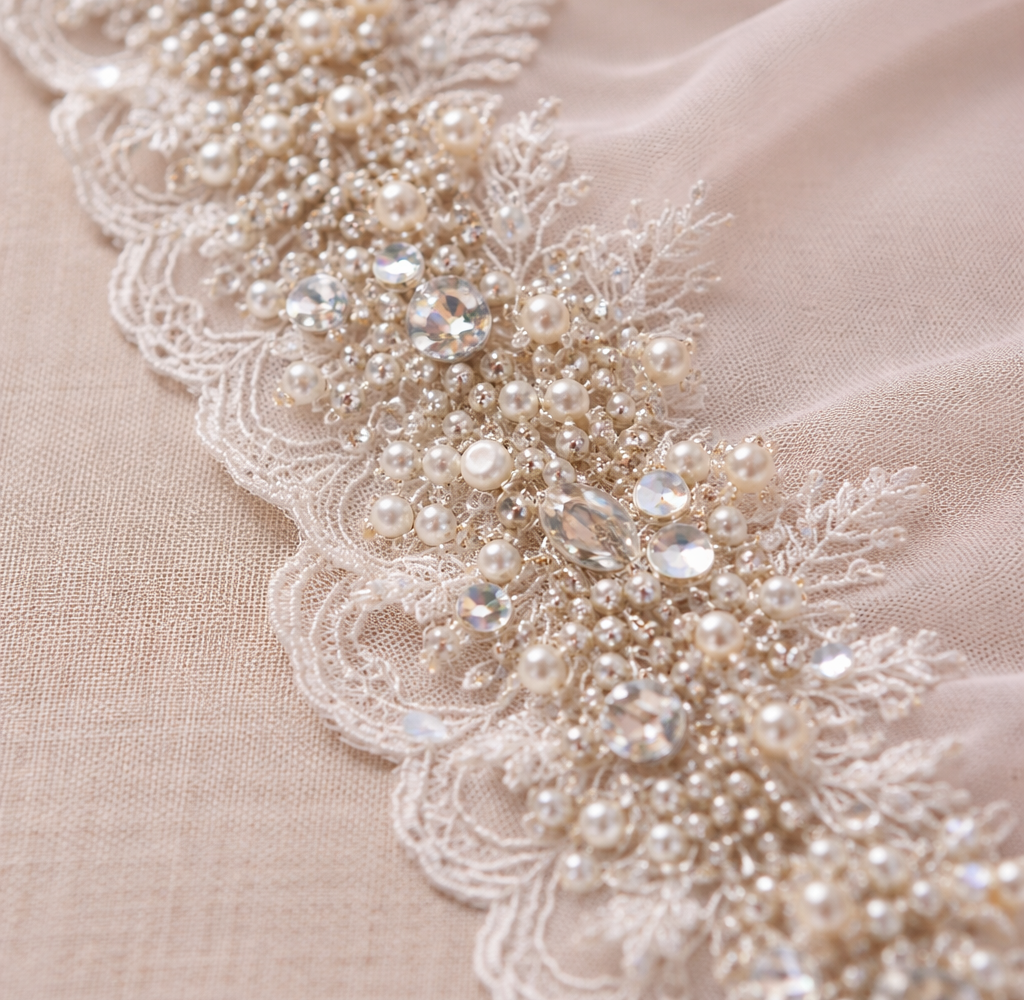
Beaded and sequin appliques with lace border designs are practical tools for DIY crafters and online sellers who want better product appeal and higher sales. Plain garments often fail to stand out in online marketplaces, leading to low conversion rates and returns. Adding textured elements like 2–6 mm beadwork, double-stitched sequins, and structured lace borders improves photo performance and perceived value. A 2025 Helium 10 Amazon report showed 35% higher conversions for beaded lace items, with 25,000 units sold in Q4. Real sellers from Mumbai, Jaipur, and Delhi reported 30–40% revenue growth after adding lace detailing. These upgrades are low cost, lightweight for shipping, and easy to apply with basic stitching skills.
Upgrade Plain Dresses with Lace and Rhinestones
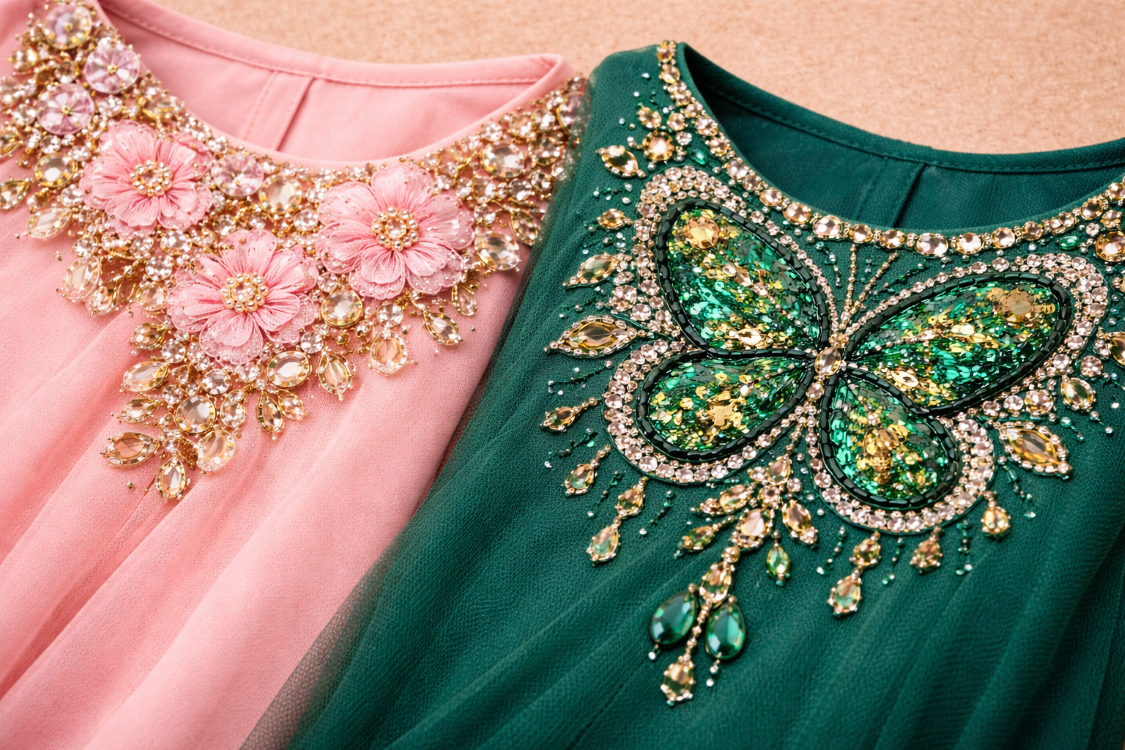
Many beginner and intermediate sewers struggle with plain-looking garments and slow online sales. This blog explains how embroidered flower lace, sequins, rhinestone appliques, and sequin patches solve those problems in a practical way. Instead of redesigning garments, you can layer lace, attach patches, and add shine to increase visual appeal and perceived value. Real examples include a 2024 Etsy seller who saw 40% higher sales after adding sequin appliques, an Indian eBay boutique that boosted festive kurti sales by 35% with lace and rhinestones, and an Amazon Handmade seller who increased order value through personalized sequin add-ons.
Corded Embroidery Tips: Secure Lace Borders Without Puckering
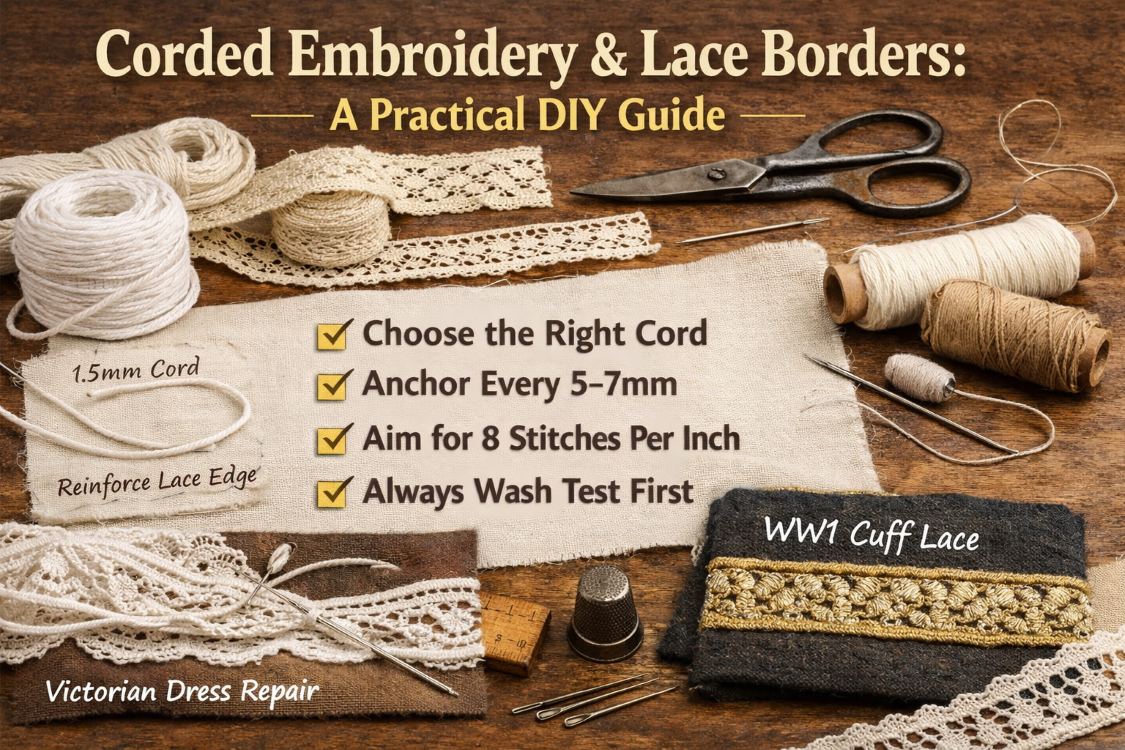
Corded embroidery and lace borders look simple. Then you try them. The cord shifts. Stitches go uneven. Lace edges start to fray after one wash. If you sell handmade pieces, returns hurt. If you craft for fun, wasted fabric hurts more. This guide walks you through real fixes based on historical examples and tested methods. We look at how Victorian dress borders were restored using cotton cords between 1.5mm and 2mm thick. We check how World War 1 British uniform cuff lace was stitched using tight thread counts and reinforced edges, based on records from the Imperial War Museum. We also break down wash durability tests from museum conservation labs and modern sewing workshops.
Beaded Floral Lace Appliques: Durability Tests and Smart Attachment Tips
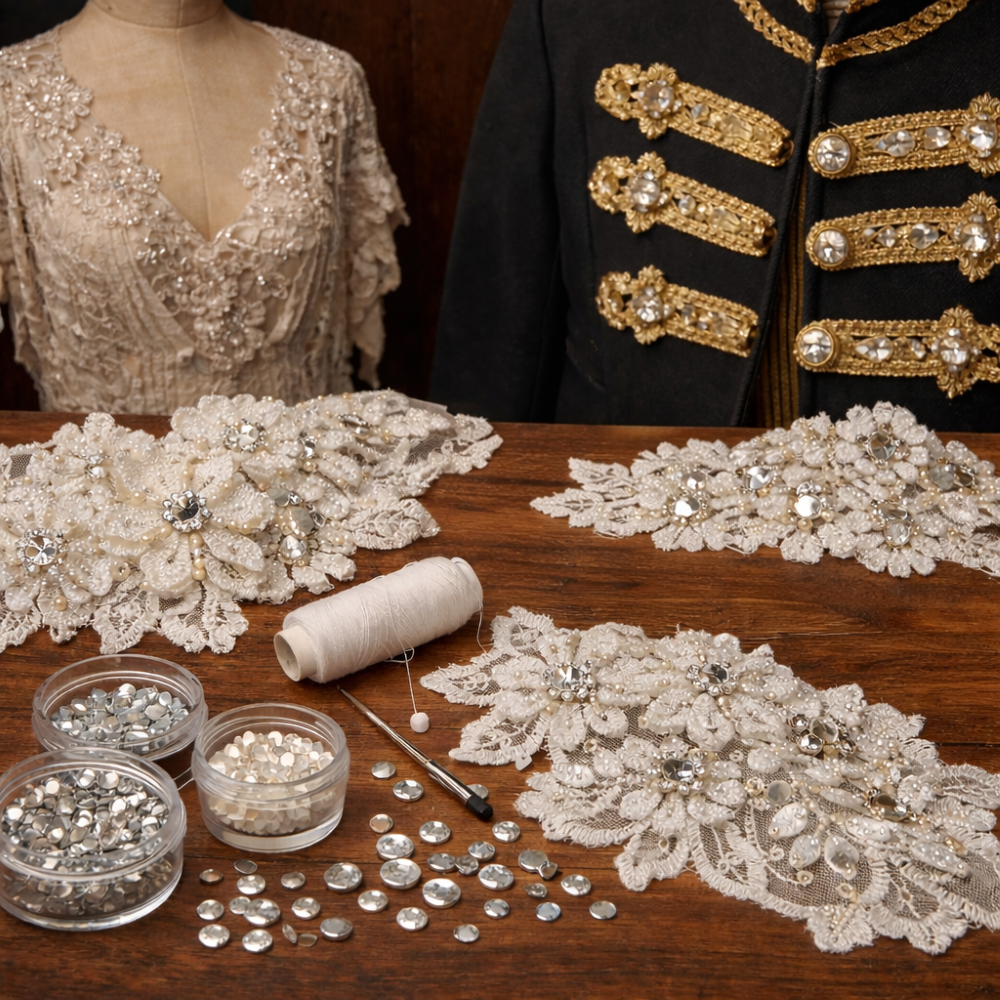
Beaded, sequin, and rhinestone appliques with floral lace look simple when you see them online. But once you start working with them, problems show up fast. Cheap knockoffs fray at the edges. Stick-on backing peels off after one wash. Beads fall out because the thread count is too low. You waste money. You waste time. And your final piece does not look clean.
Lace Embroidery and Rhinestone Appliques for Modern Sellers
Lace embroidered, rhinestone, and sequin appliques help sellers solve common problems like dull designs, low conversions, and high returns. Plain fabric struggles in competitive markets, but layered embellishments add texture, shine, and perceived value. Data from apparel industry reports shows growing demand for decorative textiles. Real-world case studies show sales increases of 25–40% after adding embellishments. Durability improves when high-quality stitching and heat fixing are used. Production costs can remain controlled, sometimes saving 20–40% by upgrading existing stock. For online sellers and craft brands, these techniques offer practical, measurable results.