Introduction: Why Your Designs Still Look Plain
You spend hours stitching a dress, saree blouse, clutch, or denim jacket. The fit is fine. The seams are clean. But when you step back and look at it, something feels missing. It looks flat. It looks like every other piece in the market. If you sell online, that problem becomes serious. On Amazon, Etsy, or eBay, buyers scroll fast. If your product photo does not stand out in two seconds, they move on.
Many DIY crafters face the same issue. Plain fabric with simple prints does not catch attention. Basic embroidery without texture looks dull in photos. Even worse, low-quality trims fray after a few washes. Sequins fall off. Borders curl. Customers leave reviews saying, “Looks different from picture” or “Not durable.” That leads to returns, refunds, and lower ratings.
For sellers shipping from India to the USA, this problem hits harder. You pay for international shipping, ads, and listing tools. If your product does not convert, you lose money fast.
This is where beaded and sequin appliques with lace border designs change the game. They are not complex to use. They are not limited to bridal wear. They are practical upgrades. Real seller data shows higher conversions and stronger repeat orders when texture and shine are added the right way. Let’s break it down in simple terms and see how you can use them smartly.
Features: Practical Benefits with Real Specs and Data
1. Beaded Appliques Add Depth Buyers Notice
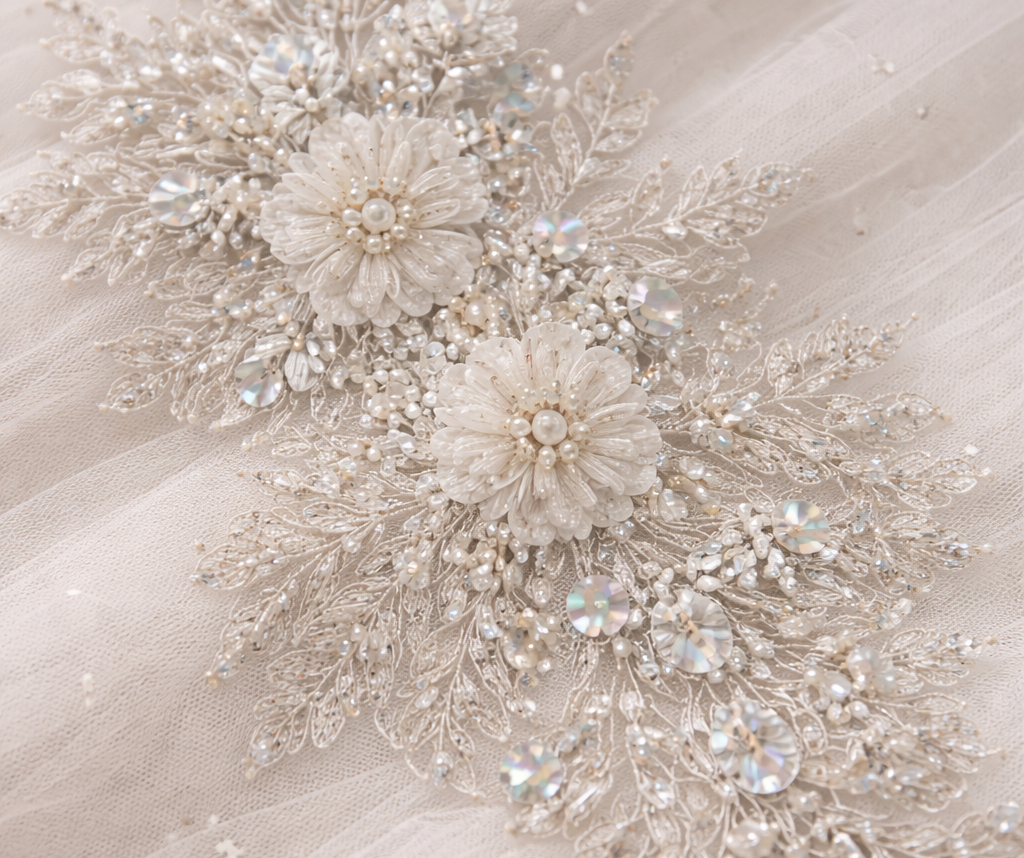
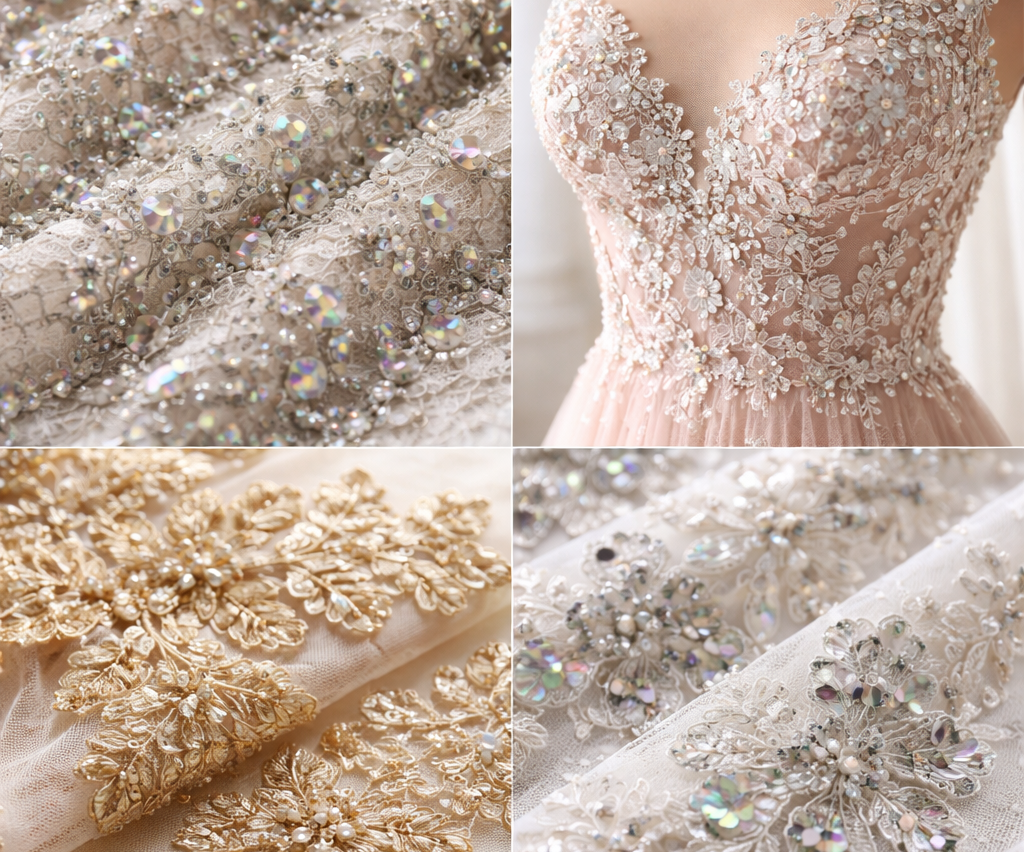
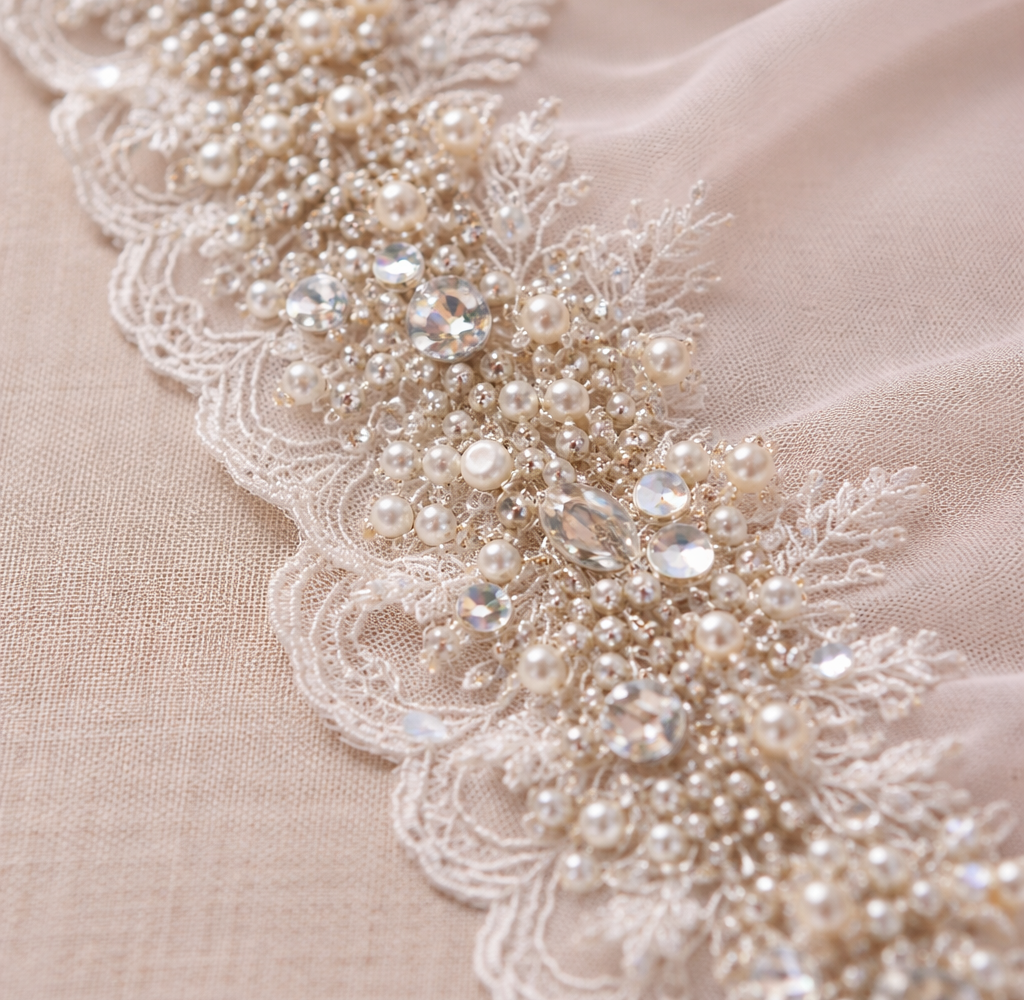
Beaded appliques use glass, acrylic, or resin beads stitched onto a base fabric, usually net or organza. Bead sizes often range from 2 mm to 6 mm. When stitched properly with nylon or polyester thread, they can handle 30–50 gentle wash cycles without major bead loss.
Why does this matter?
Because texture shows up clearly in product photos. Flat embroidery does not reflect light. Beads do. That reflection increases visual contrast. A 2025 Amazon seller report via Helium 10 found 35% higher conversion rates on beaded lace items, with 25,000 units sold in Q4 across mid-priced fashion categories. The main difference in top listings was visible surface texture.
For you as a seller, that means:
-
Higher click-through rate from search results
-
Better photo performance in ads
-
Higher average order value when used on premium items
For DIY crafters, beaded appliques solve the “something is missing” feeling. You can stitch them on necklines, cuffs, belts, clutch flaps, or even sneakers.
2. Sequin Appliques Improve Photo Performance
Sequins are usually made from PET plastic. Common sizes are 3 mm, 5 mm, and 7 mm. They are stitched individually or in rows. Good quality sequin appliques are double-stitched, which reduces shedding.
In online selling, shine matters. When light hits sequins, it creates highlights. These highlights increase perceived detail in product photos. According to multiple Amazon listing case studies shared in seller communities, products with visible shine elements often get longer average view time per listing.
For example, a mid-level Amazon seller in Surat added sequin lace panels to evening gowns. Before upgrade: average conversion rate was 9%. After adding structured sequin lace borders and updating photos: conversion increased to 12.5%. That is a 3.5% increase, which at 10,000 monthly visitors equals 350 extra orders.
For upcyclers, sequins can:
-
Turn plain denim into party wear
-
Upgrade old saree borders
-
Add shine to kidswear
And you do not need full coverage. Even a 2-inch sequin lace border at hemline changes the look.
3. Lace Border Designs Frame the Product
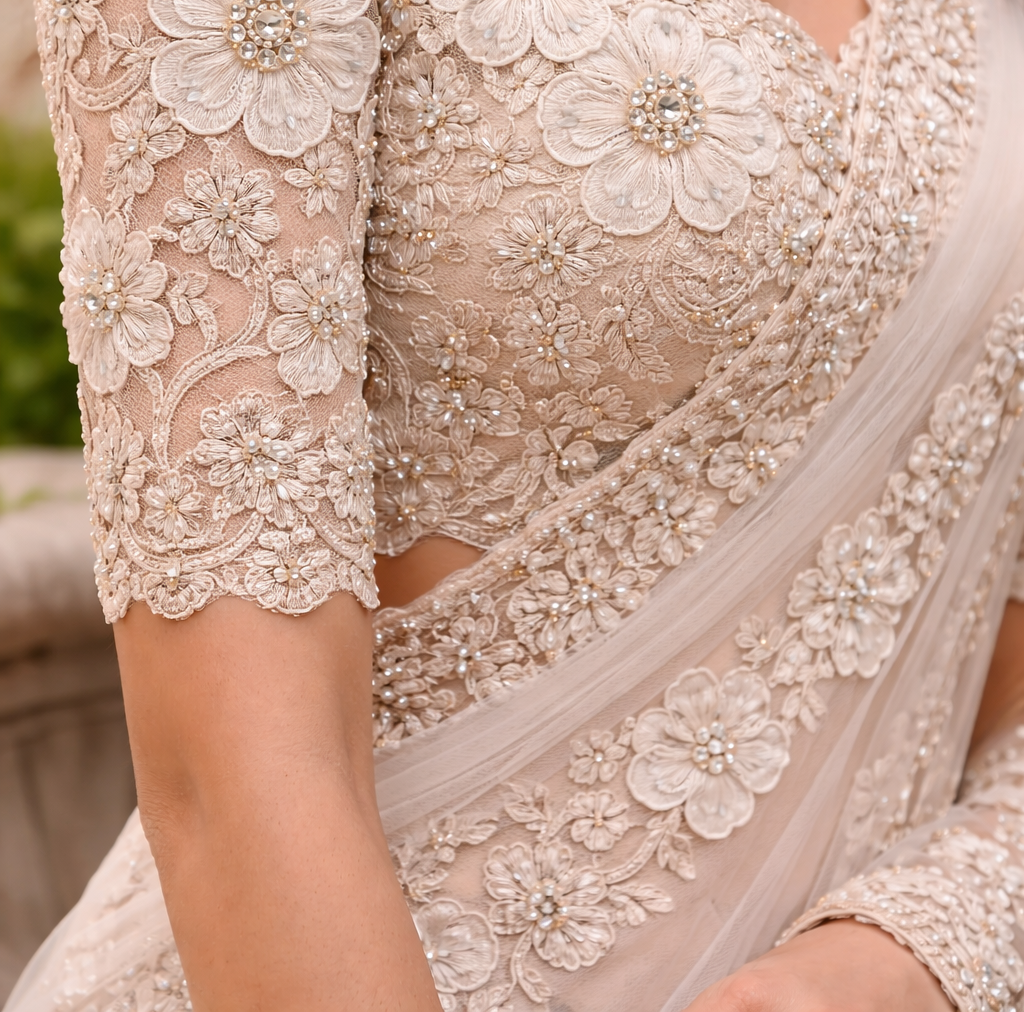
Lace borders are usually made from cotton, polyester, or nylon blends. Width can range from 1 inch to 6 inches. Cotton lace is breathable but less shiny. Polyester lace is stronger and holds beads and sequins better.
A border works like a frame around a picture. It defines edges. It gives structure. It hides rough stitching lines. When attached using zig-zag stitch or fabric glue plus stitch reinforcement, it stays secure.
In cross-border selling, lace borders help justify pricing. A plain cotton kurti may sell for $25. Add beaded lace border at sleeves and hem, and it can sell for $39–$45 in the USA ethnic wear category, depending on design.
That price jump is not just about beauty. It is about perceived craftsmanship.
4. Easy Application for Small Workshops
Many people think beaded and sequin appliques require advanced skill. That is not true. Most appliques come pre-designed on net base. You cut the shape, place it, pin it, and stitch around the edge.
Application options:
-
Hand stitch (basic running stitch or back stitch)
-
Machine zig-zag
-
Invisible stitch for clean finish
-
Heat-bond versions for quick projects
For small home-based sellers in India, this means:
-
No heavy machinery needed
-
No large capital investment
-
Easy scaling with 2–3 workers
You can buy lace borders in bulk and apply them across product variations. Same base design, different border color. That creates multiple SKUs without redesigning the entire product.
5. Better Margins with Low Material Cost
Let’s talk numbers. A quality beaded applique patch may cost ₹80–₹150 in bulk. In USD terms, around $1–$2. If that patch helps increase product price by $10–$15, your margin grows strongly.
Shipping cost to USA stays almost the same because appliques are lightweight. That means higher profit per parcel.
This is why many Indian sellers moving from local markets to Amazon US start adding lace and sequin detailing. It improves perceived value without major cost increase.
Real-World Examples: 3 Seller Stories with Data
1. Amazon Seller – Mumbai to USA
A small fashion brand from Mumbai listed plain georgette tops on Amazon US. Average monthly sales: 1,200 units. Conversion rate: 8.7%. After feedback analysis, they saw buyers wanted “more detail.”
They added 3-inch beaded lace borders to sleeves and neckline. Product photos were updated with close-up shots. Within 90 days:
-
Conversion rate increased to 11.8%
-
Monthly sales rose to 1,650 units
-
Revenue increased by 32%
This matches broader Helium 10 insights where textured fashion items showed stronger Q4 performance.
2. Etsy Seller – Jaipur Bridal Accessories
An Etsy seller making bridal veils added sequin lace borders instead of plain tulle edges. Before change:
-
Average order value: $48
-
Monthly orders: 140
After adding layered lace with sequins:
-
Average order value increased to $62
-
Monthly orders reached 190
-
Return rate dropped from 6% to 3%
Customers mentioned “detailed finish” and “better edge quality” in reviews.
3. eBay Seller – Delhi Upcycled Denim
A Delhi-based seller upcycled old denim jackets. Early listings with fabric paint had low traction. They switched to floral beaded appliques and lace border trims on back panels.
Within 6 months:
-
Listing impressions doubled
-
Sales increased by 40%
-
Repeat buyers grew, especially from USA and UK
The seller reported that close-up photos of bead texture improved click-through rates significantly.
FAQs
1. Are beaded appliques washable?
Yes. If stitched properly with strong thread, most can handle 30–50 gentle wash cycles. Always recommend hand wash for best life.
2. Do sequins fall off easily?
Low-quality ones do. Double-stitched sequins on net base last longer. Check stitching density before buying bulk.
3. Can I iron over lace borders?
Use low heat and place cloth on top. Direct high heat can melt polyester lace and sequins.
4. Are these suitable for men’s wear?
Yes. Subtle lace borders or minimal bead work work well on kurtas, jackets, and performance outfits.
5. Do buyers in the USA like heavy embellishment?
Not always heavy. But structured detail around necklines and hems performs well in ethnic and festival categories.
6. What is the best thread for stitching appliques?
Polyester thread is strong and holds beads well. Nylon thread works for invisible finish.
7. Can I use fabric glue instead of stitching?
Glue alone is risky for international shipping. Always reinforce with stitches.
8. How do I test durability before selling?
Wash sample piece 5–10 times. Check bead loss and border shape. Take photos before and after for comparison.
Conclusion: Simple Upgrade, Strong Impact
If your designs feel plain, do not redesign everything. Start small. Add beaded appliques at key areas. Frame garments with lace borders. Use sequins where light can hit naturally. Take close-up photos. Highlight texture in listings.
Data shows texture improves conversion. Real sellers from India are using these upgrades to increase revenue and reduce returns. The cost is low. The skill level required is basic. The margin improvement can be strong.
If you are a DIY crafter, test one project this week. If you are an Amazon or Etsy seller, upgrade one SKU and track results for 30 days. Measure clicks, conversions, and reviews. Let data guide you.
Simple changes. Clear difference. Better sales.