Introduction
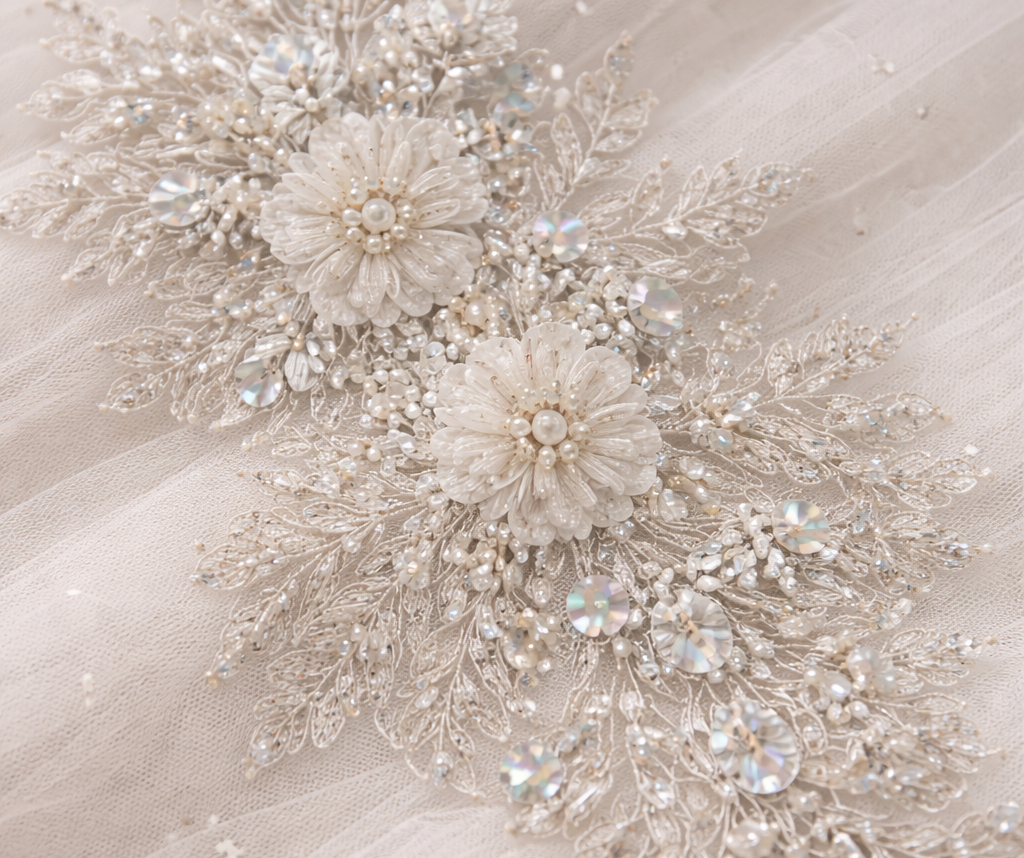
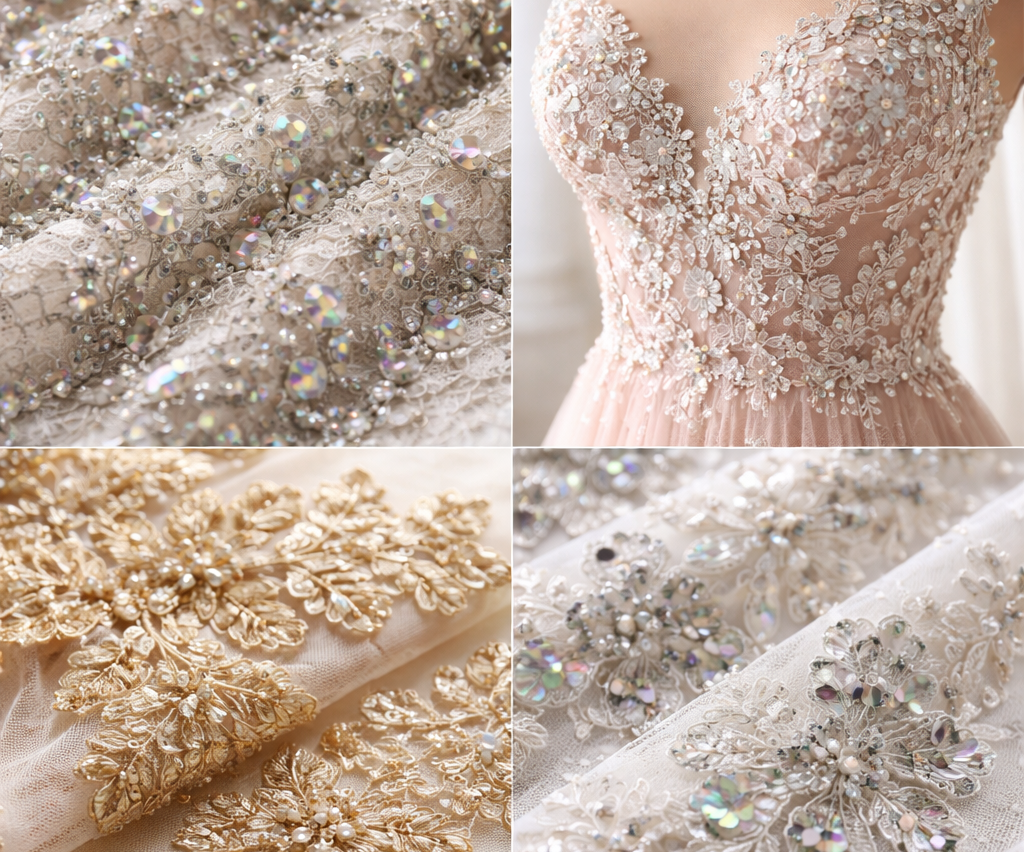
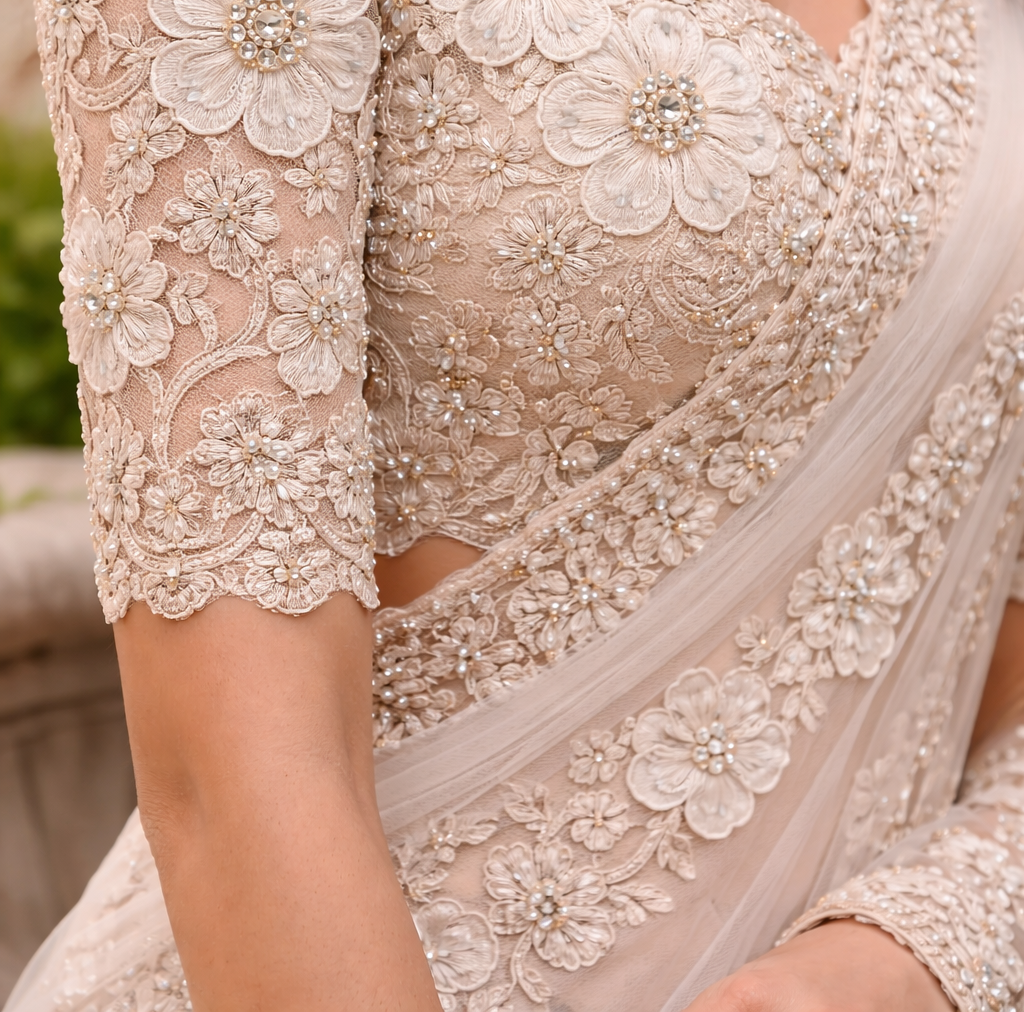
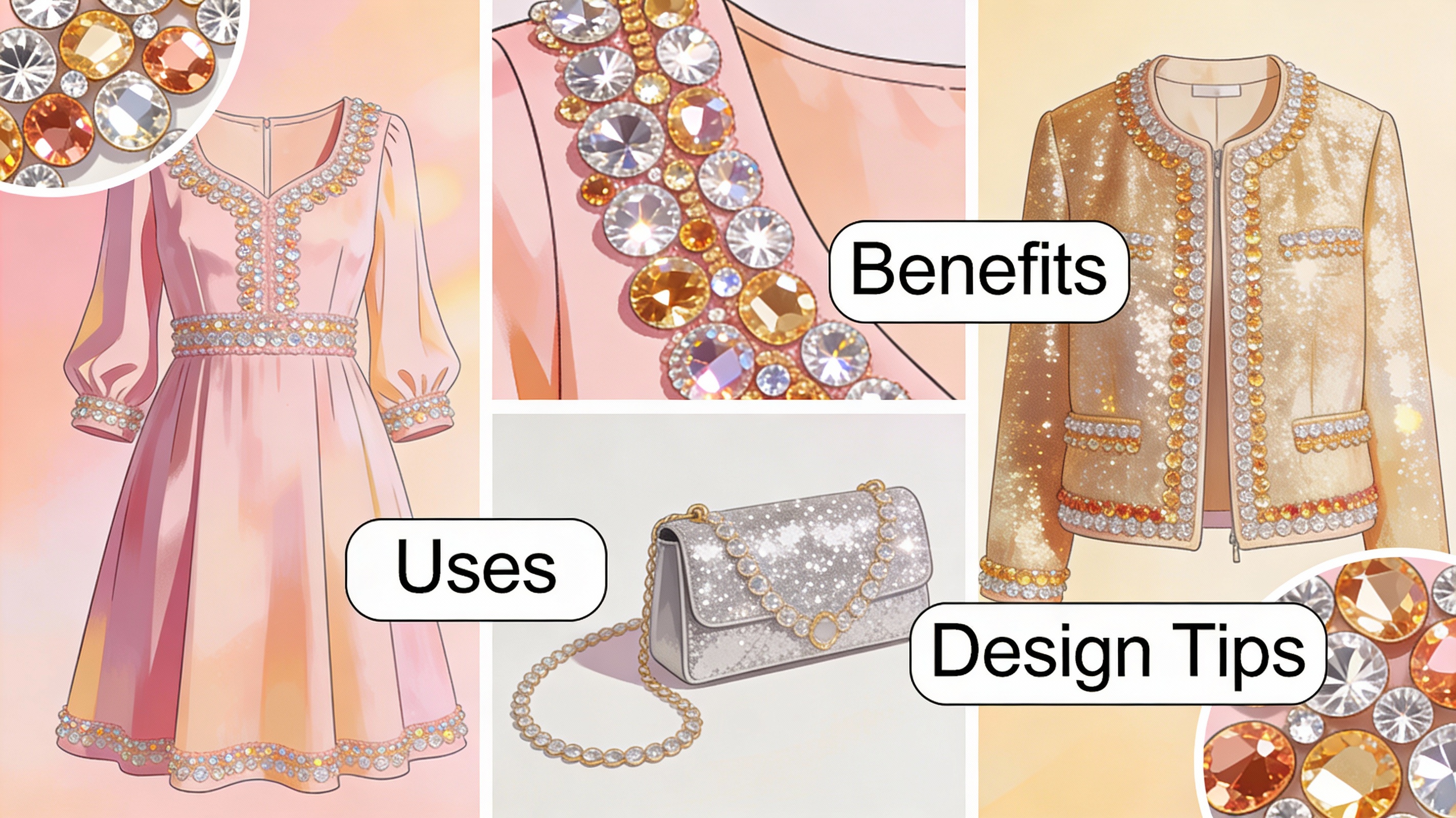
Sequins and trims have been part of fashion for decades — from bridal wear and party dresses to stage costumes and ready-to-wear clothing. Today, sequin appliques, rhinestone and sequin appliques, and other decorative patches are used by designers to add shine, texture, and detail without changing the main structure of a garment.
However, even though these decorations look simple, working with sequins and trims can be challenging. Designers often face issues with quality, supply, and how to attach them correctly. In this article, we’ll look at these common problems and share practical ways to solve them, using real examples from the fashion industry.
Problem: The Real Challenges of Using Sequin Appliques and Trims
Many designers love the idea of adding sparkle, but turning that idea into reality can get tricky. Here are a few common challenges when working with sequin appliques and trims:
1. Inconsistent Quality
Not all sequin appliques are made equally. Low-quality sequins can fade, crack, or fall off after just a few wears or washes.
2. Sourcing Problems
Finding trusted suppliers for rhinestone and sequin appliques can be tough, especially for small brands or freelance designers. Common issues include high minimum order quantities, unclear material details, and slow delivery times.
3. Application Mistakes
Attaching appliques incorrectly can make them lift, wrinkle, or even damage delicate fabrics like silk, mesh, or chiffon.
4. Cost vs. Value Confusion
Some trims may look premium but don’t last long. Others cost a bit more upfront but save money in the long run. It’s often hard to find the right balance between price and quality.
Agitate: Why These Problems Matter
These challenges don’t just affect one piece of clothing — they can harm your whole workflow and reputation.
If sequins fall off after a few uses, customers may doubt your quality. If a trim loses color in the wash, you’ll likely face returns or bad reviews. For small fashion businesses, this can mean wasted time, damaged trust, and lost sales.
Time also plays a big role. Poor-quality samples or unreliable suppliers can delay new launches and make you miss seasonal trends. Even top fashion houses have had to rethink their suppliers after facing issues with faulty decorations. This proves that sequins and appliques aren’t just visual details — they’re functional elements that must last.
Solution: Smarter Use of Sequins, Appliques, and Trims
The good news? These problems are easy to avoid with the right approach. Here’s how leading designers manage sequins and trims effectively today.
1. Pick the Right Type of Sequin Applique
Sequin appliques come in a variety of styles:
- Flat sequins for smooth designs
- Cup sequins for more shine
- Mixed beads and sequins for texture
For instance, luxury designers often use hand-embroidered rhinestone and sequin appliques on firm fabrics to maintain structure and longevity.
2. Match the Fabric and the Applique
Always test your appliques on the final fabric. Stretch fabrics need flexible backing, while heavy materials hold up well to dense designs.
A popular bridal brand increased comfort and quality by using lightweight sequin appliques with soft mesh backing. This lowered dress weight without losing sparkle.
3. Invest in Good Trims
High-quality sequins and trims cost more at first but last longer and look better even after multiple wears. Costume designers often use professional-grade trims since their outfits must survive many performances.
4. Use the Right Application Method
Depending on the project, appliques can be:
- Sewn by hand
- Machine-stitched
- Heat-bonded
- Glued (only for non-washable pieces)
Most professional studios prefer stitching for long-lasting results and avoid glue for washable or everyday garments.
Features of Sequin Appliques and Trims
1. Materials
Most sequin appliques are made using:
- Polyester sequins
- Acrylic or glass rhinestones
- Cotton, mesh, or organza base fabrics
Each material affects shine, weight, and lifespan.
2. Durability
Well-made decorative appliques resist color fading and breakage. Look for firm stitching and strong backing for better results.
3. Design Flexibility
Appliques can be cut, layered, or rearranged easily. This gives you room to create new looks without changing your main pattern.
4. Application Options
Hand sewing, machine stitching, or heat pressing all work — the right method depends on your fabric and use.
5. Care and Maintenance
Some appliques are dry-clean only, while others can be hand-washed. Always check care instructions to maintain quality.
FAQs About Sequins, Appliques, and Trims
1. What are sequin appliques used for?
They add shine and texture to clothing, accessories, costumes, and even home décor.
2. Are rhinestone and sequin appliques durable?
Yes, with quality materials and proper stitching, they last through many wears.
3. Can I wash garments with sequin appliques?
Some can be hand-washed, but dry cleaning is often safer. Test a small area first.
4. Which fabrics work best with sequins and trims?
Medium or structured fabrics like satin, velvet, denim, or organza work best. Lightweight fabrics need smaller or softer appliques.
5. Are trims better than embroidery?
Appliques and trims save time and money while still adding strong visual appeal.
6. Can I customize sequin appliques?
Of course! You can cut, layer, or mix them to create unique styles.
Conclusion
Sequins, appliques, and trims are amazing tools in fashion when used wisely. Even though issues like sourcing and quality exist, they can be handled easily with planning and testing.
By choosing good-quality appliques, matching fabrics smartly, and applying them correctly, designers can create stylish, durable garments that stand out. Whether you run a boutique or design independently, using rhinestone and sequin appliques the right way can take your creations to the next level.
Next step: work with trusted suppliers, test samples early, and learn from how top brands use decorative appliques to make their designs shine.