Introduction (Problem → Agitate → Solution)
Problem: You spend time picking the right fabric and stitching clean seams, but the finished piece still looks a bit plain. This happens a lot with simple kurtis, dresses, blouses, dupattas, kidswear, and even home textiles like cushion covers. The edge looks “cut off” instead of “finished.”
Agitate: When an edge looks unfinished, it doesn’t just affect style. It can affect value. Customers notice hems that curl, necklines that look flat, and sleeve ends that feel too basic. People also notice when embellishments fail—sequins scratch, rhinestones fall off after one wash, or lace snags the first time a handbag strap rubs against it. That kind of issue can turn a “love it” into a return or a one-time buyer.
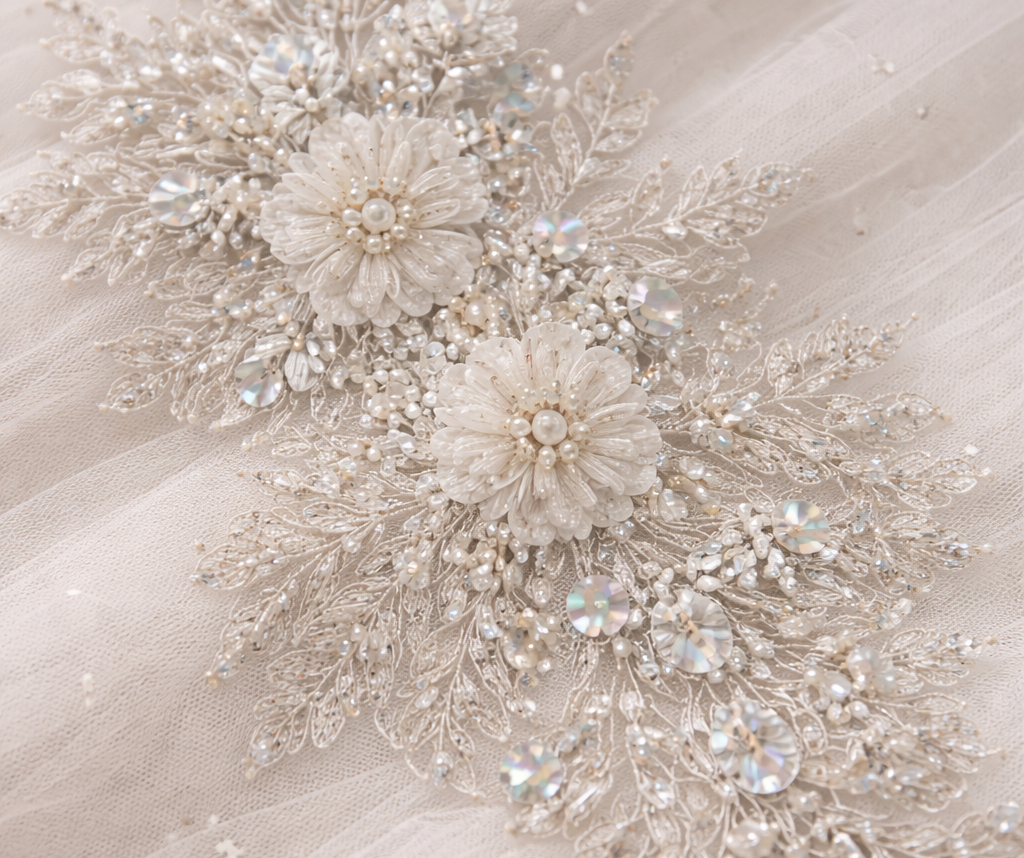
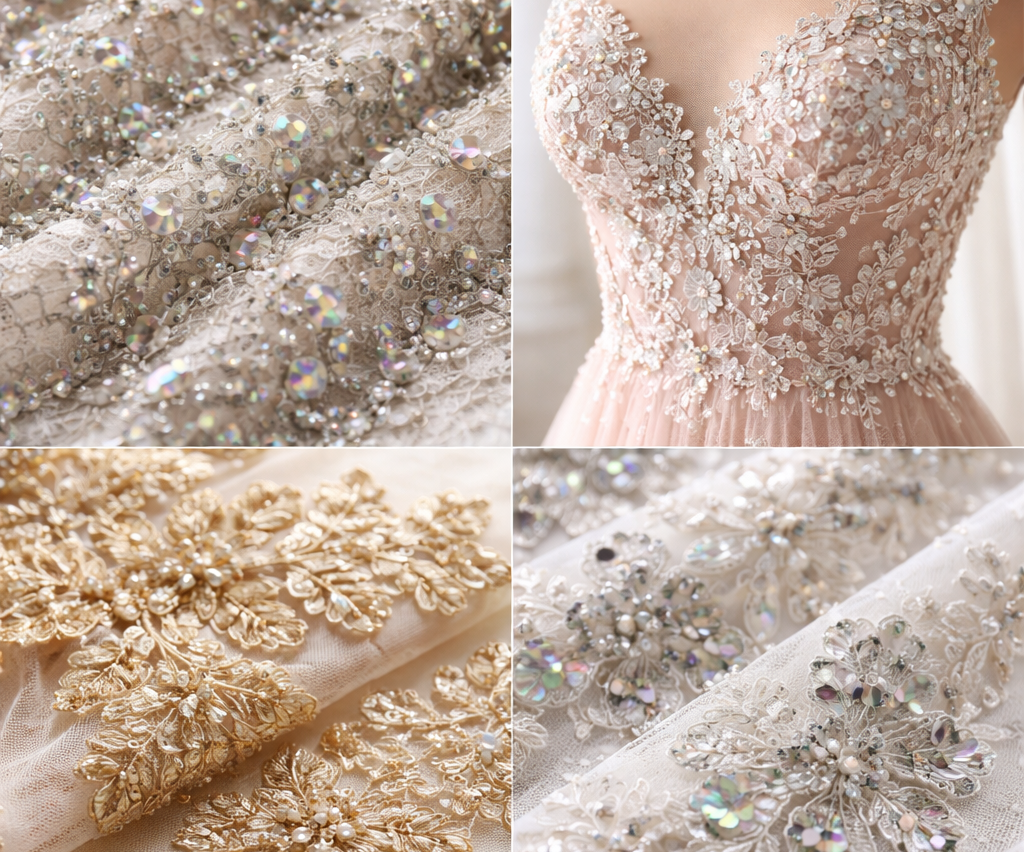
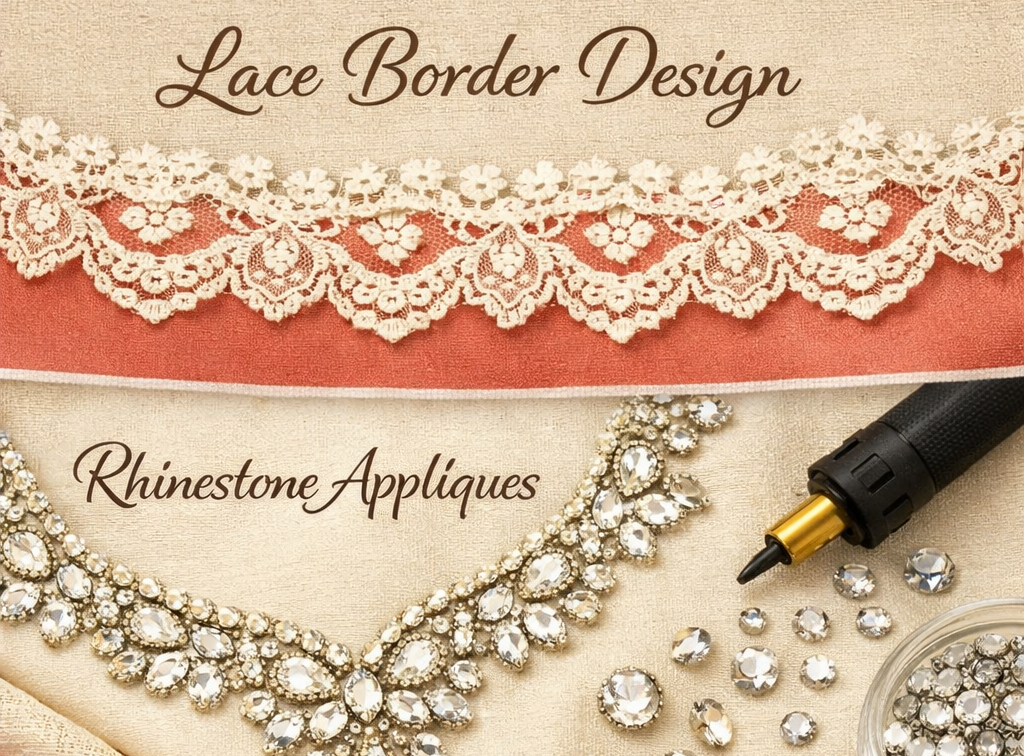
Solution: This is where lace border design plus the right rhinestone and sequin appliques can help. Lace borders add structure and a planned finish at edges. Rhinestones add focused sparkle (like “points of light”). Sequins add wider shine (like a “surface glow”). When you choose the right base materials and attach them the right way, you get a clean look that holds up better in real use.
Features and Benefits
1) Lace border design = a clean edge that looks planned
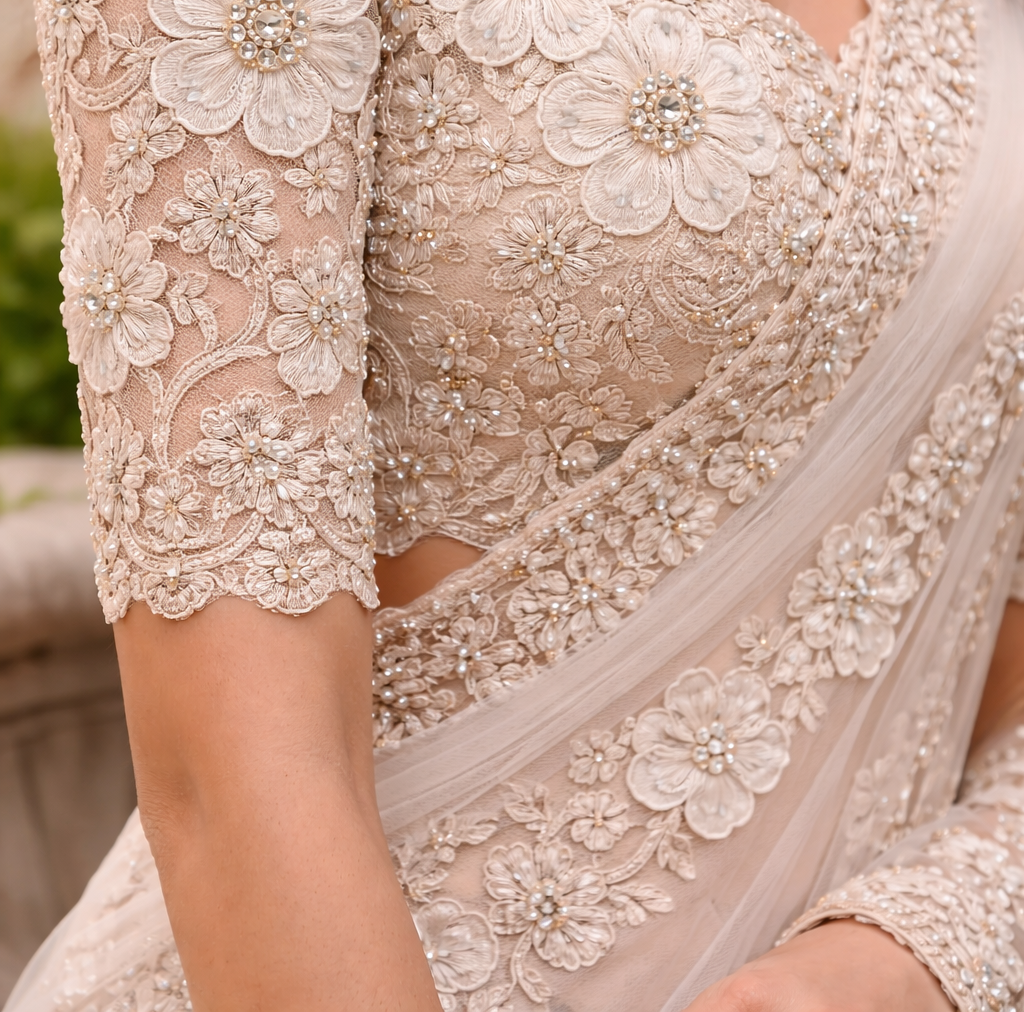
A lace border is like a “frame” for the garment. You can use it at:
Hems (dress, skirt, kurti)
Sleeve ends
Necklines
Dupatta edges
Slits and panels (vertical lines that make a garment look taller)
Benefits:
Makes an edge look intentional, not like an afterthought
Adds contrast without changing the main fabric
Can hide small unevenness at hems or seam joins (very useful in alterations)
Practical tip: If the lace has an open pattern, place it where it won’t snag easily (avoid high-friction zones like underarm seams or inside thigh areas on fitted clothes).
2) Rhinestones = sharp sparkle in small areas
A rhinestone is an imitation gem, commonly made from faceted glass (often foil-backed) to mimic diamonds
Benefits:
Gives a “jewelry” feel without heavy hand embroidery
Works well for motifs: neckline center, yoke corners, cuff points, and logo-style placements
Easy to scale: 20 stones for subtle shine, 200+ stones for stage wear
Material choice (simple rule):
Glass stones look clearer and reflect better (often higher cost)
Acrylic stones are lighter and cheaper, but usually don’t look as crisp (good for kidswear or one-season trends)
3) Hotfix rhinestones = cleaner attachment (when done correctly)
Hotfix stones have heat-activated glue on the back. They’re usually applied with an iron, heat press, or hotfix applicator.
What matters most: temperature + time + pressure. Preciosa’s hotfix guide shows a working temperature range chart and stresses that settings depend on fabric quality and stone size
Benefit: When the adhesive melts and bonds well, it can handle regular wear better than weak surface gluing (especially on textiles with movement).
Practical tip: Always test on scrap fabric. Even two “cotton” fabrics can behave differently depending on finish and thickness.
4) Sequin appliques = wide shine, fast coverage
Sequins give you sparkle coverage quickly. Instead of placing 200 separate rhinestones, a single sequin applique can cover the same area in one stitch-down step.
What sequins are often made from (important for care and sustainability):
Many sequins on the market are made from plastics such as PVC or PET
Benefits:
Strong visual impact on camera and under lights (events, dance, stage)
Great for panels, borders, and large motifs
Care reality: Sequins don’t love heat and rough wash cycles. Some brands that sell sequin products recommend cold washing (around 30°C max), gentle cycles, and air drying—plus avoiding direct ironing on sequins.
5) Lace + rhinestones + sequins: how to combine without making it “too much”
If you use all three, the easiest way to keep it wearable is to assign each one a job:
Lace border = structure and edge finish
Sequins = soft shine area (small panels or motifs)
Rhinestones = highlights (center points and outlines)
A simple layout that works on many garments:
Lace border at hem + small sequin motif on yoke + rhinestones only at motif tips
6) Market reality: lace and embellished looks stay relevant
Lace isn’t a short trend—it’s a steady demand category in formal and occasion wear. For example, one industry report estimates the global lace market at about USD 2.5 billion in 2024, projecting growth over the next several years
Also, formalwear segments that heavily use satin/lace blends can be sizable—one report pegs the satin and lace prom dress market at USD 4.24 billion (2024) with growth projections[Fortune Business Insights].
You don’t need to be in promwear to learn from that: lace details help sell “event-ready” outfits.
Real-world Example(s) / Case Study
Case Study 1: “Plastic sequins” vs new alternatives in high-fashion work
A clear example of the material shift is Stella McCartney’s use of “BioSequins” developed by Radiant Matter. Vogue reported that many sequins in the market are made from plastics like PVC or PET, and highlighted a move toward plant-based alternatives (cellulose-derived) for sparkle effects
What this means for everyday makers and small brands:
Customers are starting to ask what trims are made from (especially for “sustainable” labels).
If you sell premium pieces, it helps to know whether your sequins are PVC/PET-based or something else—and to be honest about it.
Practical takeaway: Even if you’re not switching to specialty bio-sequins right now, you can reduce problems by using sequins in lower-friction zones and giving clear wash instructions.
Case Study 2: Lead-free crystal changes in the rhinestone supply chain
Two major crystal supply lines have documented “lead-free” definitions at < 0.009% lead (90 ppm):
Swarovski “Advanced Crystal” FAQ explains lead-free labeling and the 0.009% threshold, tied to compliance needs.
Preciosa’s MAXIMA brochure also states the product line is lead-free with the same threshold and references compliance testing/standards
Why this matters in product descriptions:
If you sell embellished items (especially kidswear accessories), being able to say “lead-free crystal components (per supplier spec)” can reduce buyer hesitation. Just make sure you don’t overclaim—use supplier language and keep documentation.
Practical takeaway: Keep a PDF or supplier spec sheet saved for your listings or wholesale buyers. It makes you look more reliable.
Frequently Asked Questions (FAQs)
What’s the easiest way to start with lace border design?
Start with one edge: sleeve hem or dupatta border. Pick a lace width that matches the garment scale (thin lace for light fabrics; medium width for heavier fabric). Stitch it down cleanly and press carefully.Should I choose sequins or rhinestones?
Choose sequins if you want broad shine with fast coverage.
Choose rhinestones if you want sharp sparkle in small areas (like jewelry points). Rhinestones are typically faceted glass or similar imitation stones[Encyclopedia Britannica].Why do rhinestones fall off after a wash?
Usually one of these:Not enough heat/time/pressure during hotfix application
Fabric finish prevents bonding (some coated/stretch fabrics)
Washing too soon or too rough
Follow supplier application parameters and test on scraps. Preciosa’s hotfix manuals emphasize that correct temperature and cycle behavior matters[Rhinestones Online+1].
Can I iron a garment with sequins?
Many care guides recommend not ironing directly over sequins. If you must, iron from the back or use a pressing cloth, and keep heat low[SequinSwag].What wash instructions should I give customers for embellished pieces?
A common, simple set of rules:Turn inside out
Gentle wash in cold water (often around 30°C max)
Mild detergent
Air dry
These are aligned with typical sequin care guidance from sequin product sellers[SequinSwag].
Do lace borders snag easily?
Some do, especially open, looped designs. Reduce snag risk by:Using lace in low-rub zones
Securing loose lace edges (topstitch or clean binding)
Avoiding lace at areas that touch bags, belts, or jewelry often
Conclusion
If your garments look “almost done” but not fully finished, lace borders and appliques are one of the most practical upgrades you can make. Lace border design gives your edges a planned look. Sequins give fast shine coverage, but need gentle care. Rhinestones give crisp sparkle points, and hotfix styles can bond well when temperature, time, and pressure are correct.
The best approach is simple: decide where the garment needs structure (lace), where it needs shine area (sequins), and where it needs highlight points (rhinestones). Add clear care instructions, and you’ll get better-looking pieces that are easier to sell, wear, and maintain.
If you want, tell me what you’re making (saree border, blouse, dress, dupatta, kidswear, etc.) and the fabric type—then I’ll suggest 2–3 lace + applique layouts that fit that exact use.