Introduction
Loose trims are a daily problem for many embroiderers. You finish a blouse or saree, it looks fine at delivery, and then a customer calls after one wash. Sequins fall. Rhinestones drop. Threads loosen. This wastes time and money. It also hurts trust. Another problem is dull designs. Plain embroidery no longer sells well in competitive Indian markets. Customers compare online. If your work looks basic, they move on.
These problems cause stress. You spend hours re-gluing trims. You replace stones for free. You lose repeat buyers. Your sales slow down even though your skill is strong. Many small embroidery units face this issue but do not know what to fix first.
This is where sequin appliques and trims with rhinestones help. When used correctly, they solve durability and design problems together. Sew-on and heat-fix appliques stay in place. They add shine without heavy handwork. They save time. They also help your products stand out.
In this blog, we will break down sequin appliques and rhinestone trims in simple terms. We will cover features, materials, and steps. We will also share a real Indian business case using these trims to improve sales and reduce rework.
Features of Sequin Appliques and Trims
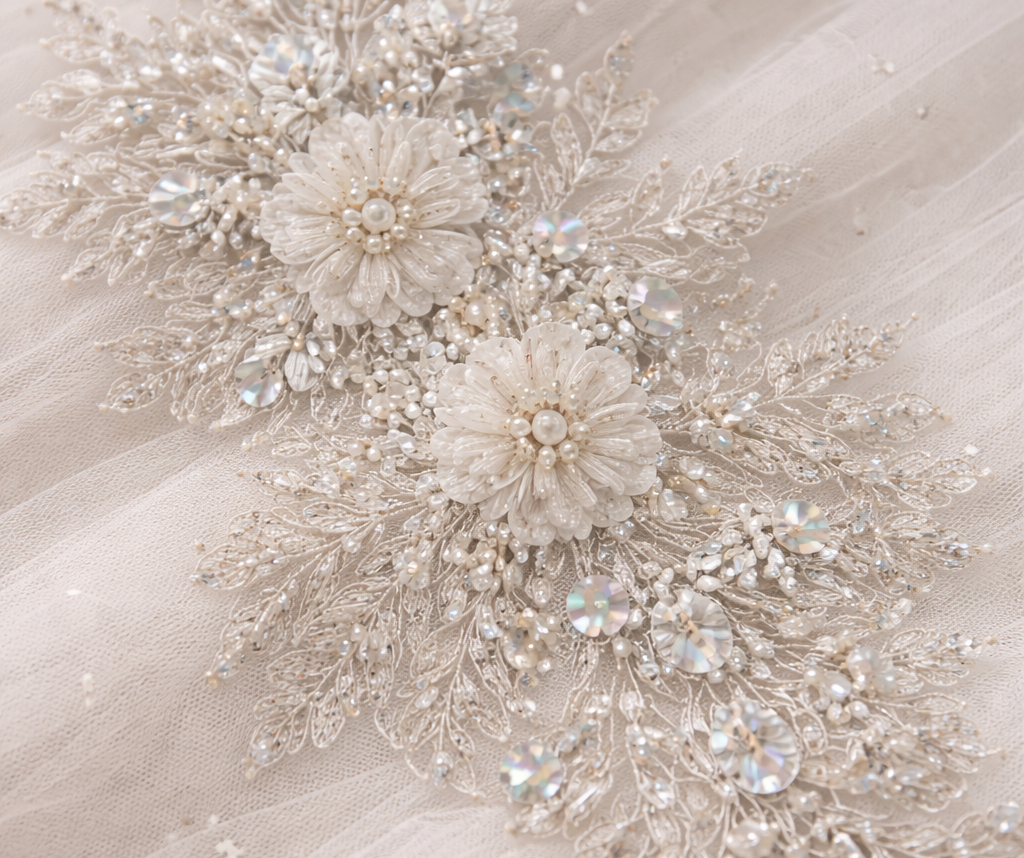
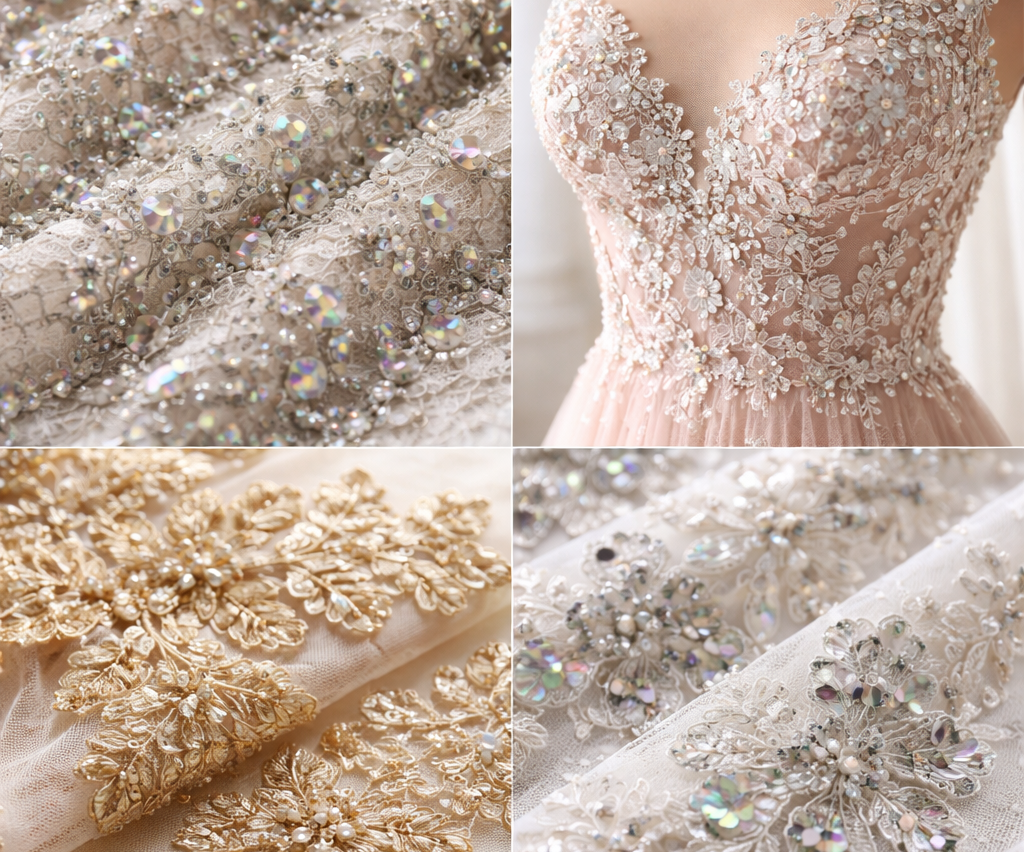
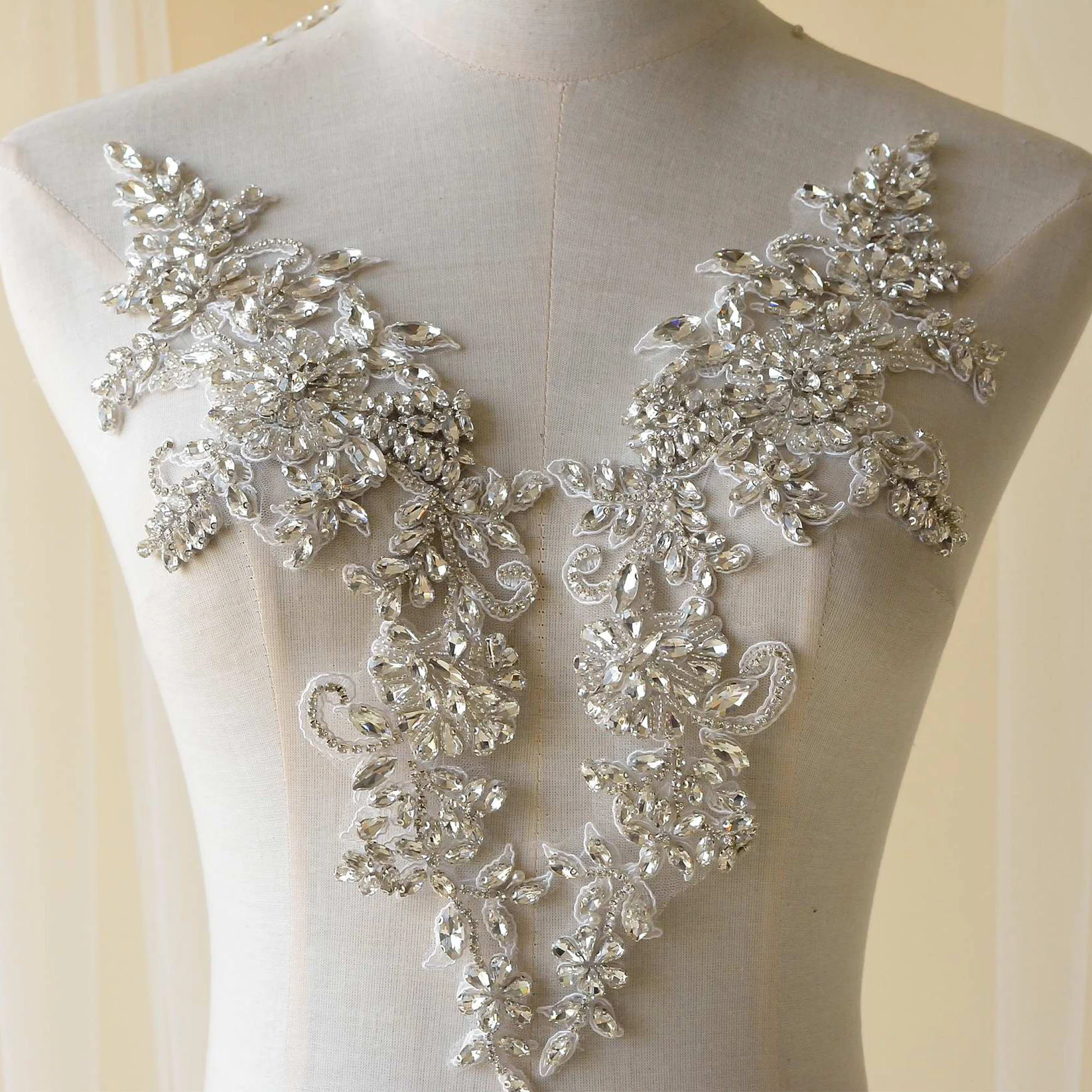
Sequin appliques and trims are pre-made decorative units. They combine sequins, rhinestones, beads, and stitching on a fabric base. The main problem they solve is inconsistency. Hand-placing stones takes time and skill. Results vary. Appliques give uniform results every time.
Types of Sequins and Rhinestones
Sequins come in two main types. Flat sequins sit close to the fabric. They are good for blouses and lightweight sarees. Cup sequins have a slight curve. They reflect more light and work well for borders and stage wear. Sizes usually range from 3mm to 8mm.
Rhinestones are measured in millimeters. Common sizes are 3mm to 20mm. Smaller stones fill patterns. Larger stones act as focal points. Most embroidery units use glass or crystal rhinestones for durability. These stones can last over 50 washes when fixed correctly.
Base Materials and Glue
Most quality appliques use a nylon mesh or organza base. These materials are strong but flexible. They do not tear easily during stitching. For glue, many units use Gem-Tac or similar fabric-safe adhesive. This glue dries clear and stays flexible. Initial setting happens in 1 hour. Full curing takes about 24 hours.
Low-quality glue is a common problem. Stones fall after washing. This leads to rework. Using the right glue reduces this issue.
Application Steps
The process starts with tracing the pattern. Place the applique on fabric. Mark the area lightly with chalk. This avoids misalignment.
Next comes fixing rhinestones. Apply small glue dots. Place stones using a picker tool. Do not flood the glue. Excess glue weakens hold. Let it rest for at least 12 hours before moving.
After stones, stitch the sequin chains or borders. Use tight, even stitches. This prevents sequins from twisting. A lock stitch works well for machine work.
Finally, cut out the applique if needed. Leave a small margin around the stitches. This keeps edges clean. If using heat-fix appliques, apply heat for 10–15 seconds at 160–170°C with a cloth on top.
Why These Features Matter
These features reduce common problems. Stones stay attached. Designs look richer. Time spent per piece drops. Instead of fixing stones one by one, you apply one applique. This saves labor hours. It also improves finish quality, which helps pricing and customer trust.
Real-World Case Study
An Indian embroidery business, baariya.com, faced common trim problems. Their blouse and saree designs looked clean but simple. Customers liked the stitching but wanted more shine. The team tried hand-glued stones, but results were mixed. Stones fell after washing. Workers spent time fixing returns.
This created two issues. First, production time increased. Second, repeat orders slowed. Before using rhinestone sequin trims, the business sold around 50 units per month. Many designs were skipped by buyers because they looked plain online.
The solution was switching to ready-made rhinestone sequin appliques. The team sourced trims from Alibaba at an average cost of ₹100 per piece. The price range was ₹50–200 depending on size and stone density. These appliques used nylon bases and glass rhinestones.
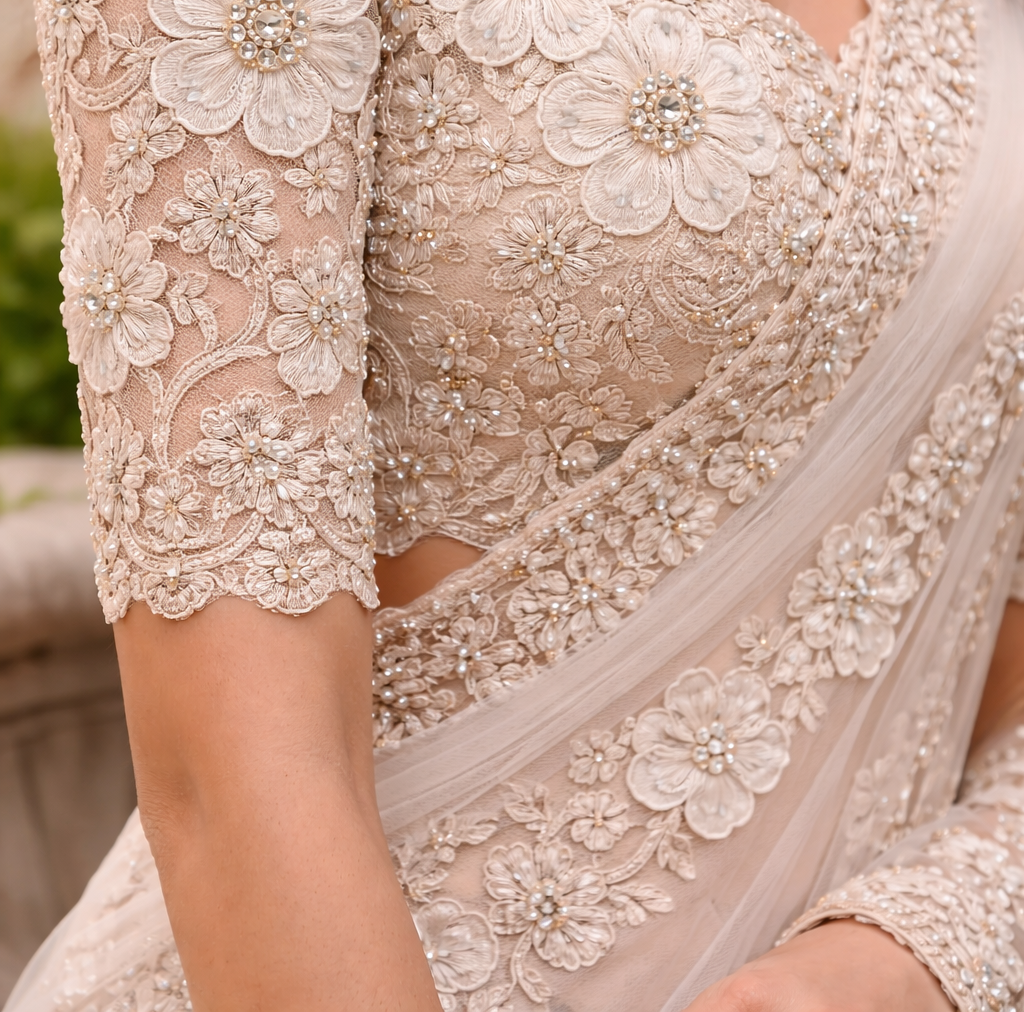
After testing, they changed their process. Instead of hand-gluing every stone, they stitched appliques directly onto blouses and saree pallus. For some designs, they used heat-fix methods. Glue curing time was set at 24 hours before packing.
The results were clear. Production time per blouse dropped by about 20 minutes. Rework reduced sharply. Customer complaints about falling stones almost stopped. The rhinestones stayed intact for over 50 washes during internal testing.
Sales also improved. Within three months, monthly sales increased from 50 units to 65 units. That is a 25% boost. Online photos looked richer. Customers felt the value difference immediately.
Most importantly, the team felt more confident. They spent less time fixing mistakes and more time designing new patterns. The cost of appliques was balanced by higher pricing and fewer returns. This case shows how small material changes can fix big business problems when applied correctly.
FAQs
How long does glue take to dry?
Most fabric glues set in one hour. Full strength is reached after 24 hours.
Can I machine-wash sequin trims?
Yes. Use gentle cycle. Turn the garment inside out. Avoid harsh detergents.
Do rhinestones fall after washing?
Quality glass rhinestones can last 50 or more washes if glued or stitched properly.
What size rhinestones should I use?
Use 3–5mm for filling and 10–20mm for highlights.
Are heat-fix appliques strong?
Yes, if correct heat and pressure are applied. Always test first.
What fabric base is best?
Nylon mesh and organza work well for flexibility and strength.
Is hand stitching better than machine?
Both work. Machine stitching saves time for bulk orders.
Conclusion
Loose trims and dull designs slow down embroidery businesses. They waste time, reduce trust, and limit sales. Re-gluing stones and fixing returns is tiring work. Many embroiderers accept this as normal, but it does not have to be.
Sequin appliques and rhinestone trims offer a clear solution. They improve durability. They save labor. They make designs look richer without complex handwork. When applied with the right glue, stitching, and curing time, these trims last through many washes.
The baariya.com example shows real results. Lower rework. Faster production. A 25% sales increase. These gains came from simple process changes, not expensive machines.
If you want stronger finishes and better-looking products, start using quality appliques. Test glue. Follow correct heat and stitch steps. Choose reliable suppliers.
Better trims mean fewer problems and better profits. If you want ready designs or custom solutions, order custom appliques from baariya.com today and upgrade your embroidery work with confidence.