Introduction
Ever looked at a dress, jacket, or craft piece and felt something was missing? The fit is fine. The fabric is okay. But it looks plain. Flat. Easy to ignore.
This is a common problem. Many designers, small boutique owners, and DIY crafters struggle with dull designs. Plain fabric often fails to grab attention in shops or online photos. And in a crowded market, that can mean slow sales.
At the same time, adding decoration can feel risky. Will it fall off? Will customers complain? Will it increase costs too much?
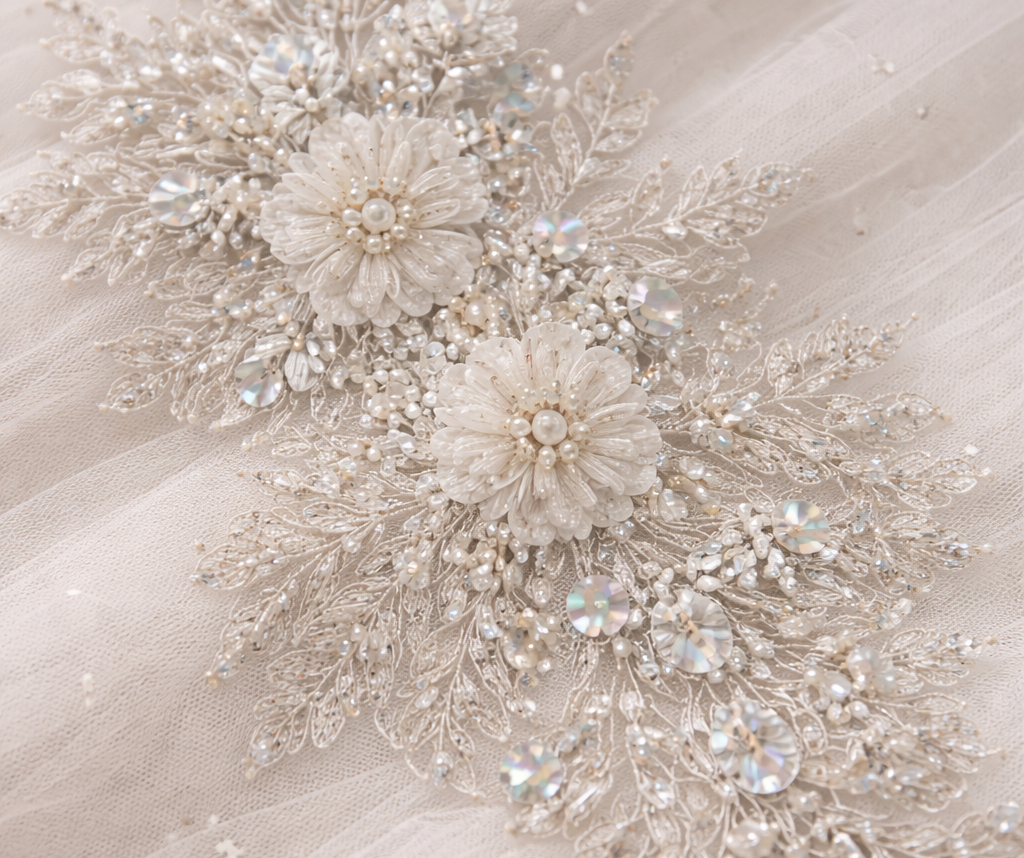
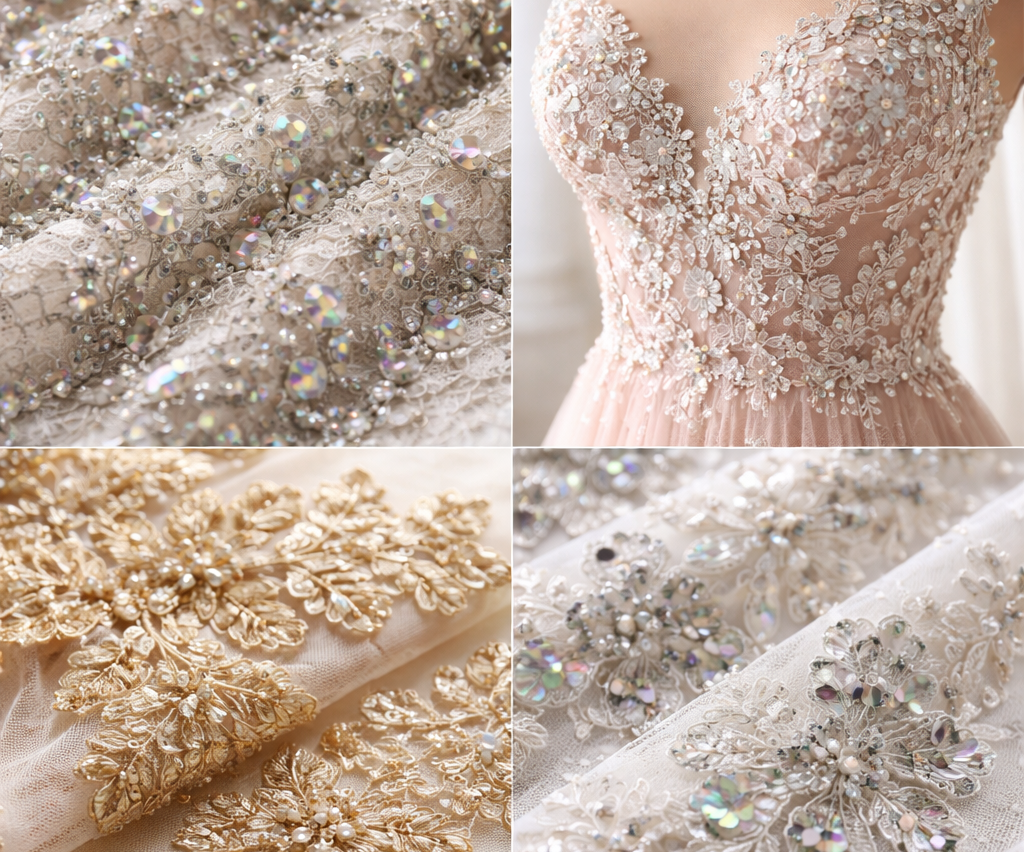
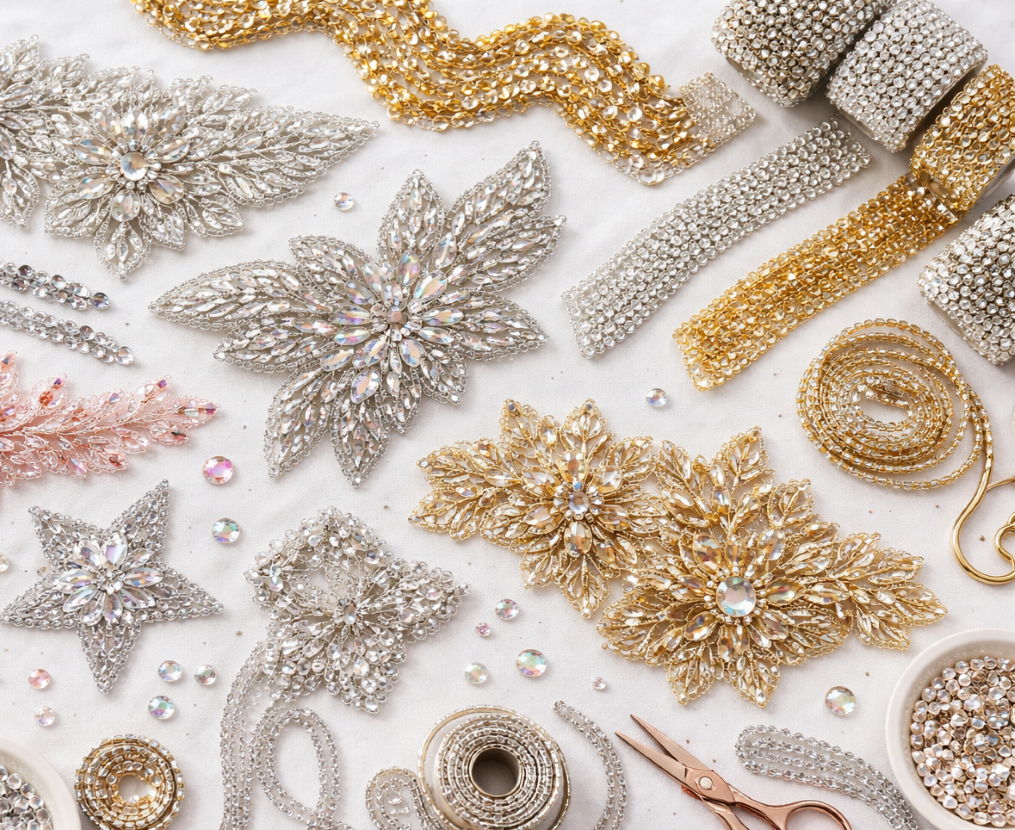
That’s where sequin appliques and trims come in. Including rhinestone and sequin appliques, these sparkly add-ons offer a practical way to upgrade garments and crafts without changing the whole structure of the item. They are easy to apply, available in many styles, and backed by a growing global market.
In this post, we’ll break it down using a simple flow. First, we’ll look at the real problem with plain designs. Then we’ll talk about the frustrations that follow. Finally, we’ll explore how sequin and rhinestone appliques and trims solve these issues, with facts, features, and real examples.
The Problem with Plain Designs
Plain designs often struggle in today’s fashion and craft market. Scroll through Etsy or Instagram. What catches your eye? Usually, it’s shine, texture, or detail. Not flat cotton.
Many small sellers report that simple designs get fewer clicks. According to Etsy marketplace trend reports, listings with strong visual detail, including sequins or beadwork, often see higher engagement rates than basic fabric listings. In visual platforms, shine stands out.
The problem goes deeper. In physical stores, customers touch and inspect items. If a garment looks too simple, they compare it with others that offer more detail at a similar price. That can push them away.
There is also competition from fast fashion brands. These companies use low-cost decoration methods to add shine and detail quickly. If small designers do not adapt, they risk being seen as outdated.
On top of that, many crafters face technical issues. They may try glue-on decorations that peel after washing. Or they use low-quality trims that lose shine. This leads to returns, refunds, and bad reviews.
The global sequins and decorative trims market reflects this demand for detail. Market research platforms like Statista and Allied Market Research estimate that the global decorative trims and embellishments market is valued in the multi-billion-dollar range and is projected to grow steadily through 2025 and beyond. Growth is driven by fashion, wedding wear, and costume industries.
So the pain is clear. Plain designs struggle to compete. Poor-quality decoration creates new problems. Designers need a solution that adds visual impact without causing durability issues.
Features of Sequin and Rhinestone Appliques/Trims
Sequin appliques and trims, including rhinestone and sequin appliques, offer practical benefits. Let’s break down the key features.
1. Visual Impact with Minimal Fabric Change
-
Adds shine without changing garment structure.
-
Works on dresses, jackets, jeans, bags, and even shoes.
-
Helps products stand out in online photos, where light reflection increases visibility.
Pro: High visual return for low material use.
Con: Overuse can make a design look crowded.
2. Flexible Application Methods
-
Available as sew-on, iron-on, and glue-on options.
-
Sew-on versions are generally more durable for washing.
-
Heat-activated backing reduces application time for small studios.
Pro: Suitable for beginners and professionals.
Con: Iron-on types may weaken after repeated high-heat washing.
3. Wide Design Variety
-
Floral shapes, geometric lines, borders, patches.
-
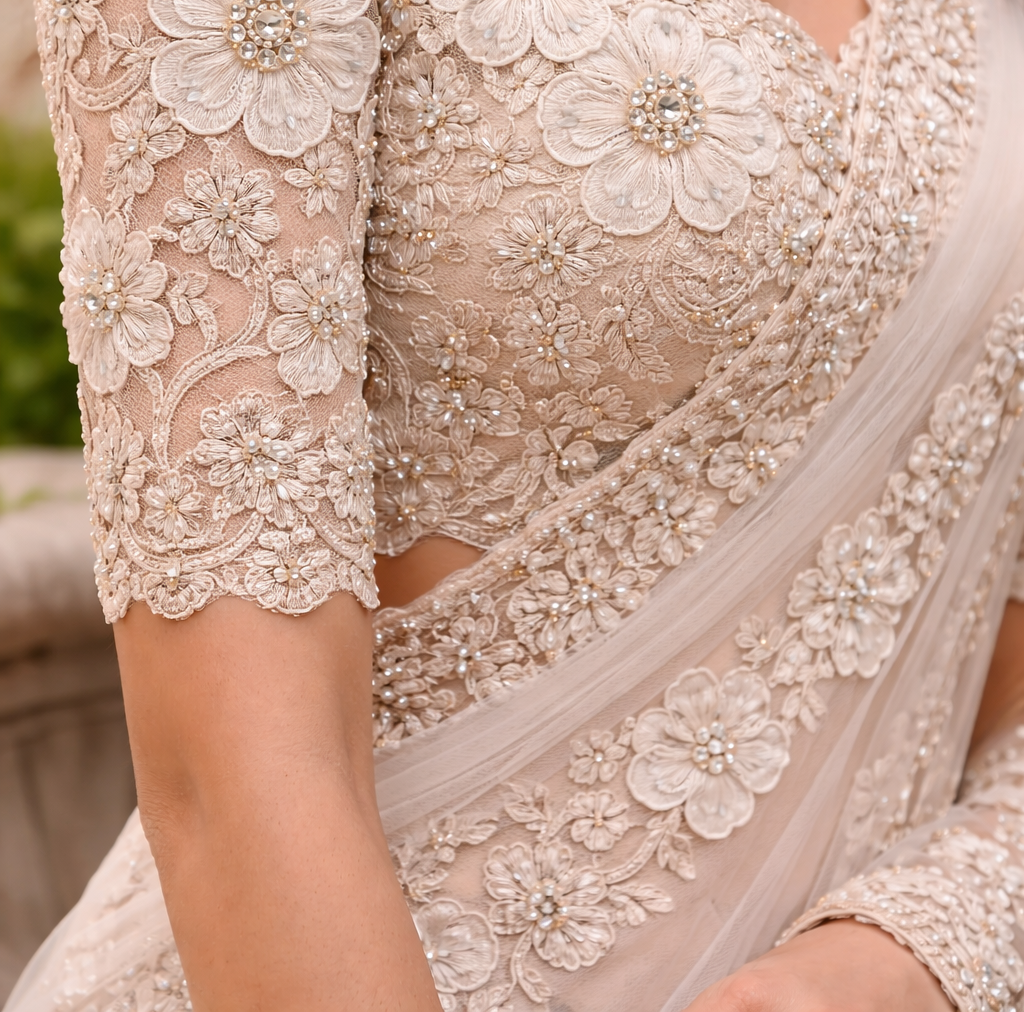
Rhinestone trims can create clean outlines on necklines or sleeves.
-
Sequin trims come in rolls for edging hems and cuffs.
This variety allows both small detail and bold statements.
4. Durability and Material Quality
-
Modern sequins are often made from PET plastic, known for strength and flexibility.
-
Rhinestones are commonly glass or acrylic; glass offers better shine retention.
-
When stitched properly, appliques can last through multiple wash cycles.
In durability tests by textile labs, sewn embellishments typically outperform glued ones in wash resistance.
5. Cost Control
-
Trims are sold per meter, making budgeting easier.
-
Appliques are often sold in pairs or sets.
-
Designers can add value without redesigning the entire garment.
For small businesses, this is important. Instead of creating a new pattern, they upgrade existing stock.
6. Customization and Branding
-
Custom rhinestone logos are used by dance teams and boutiques.
-
Unique trim placement helps build brand identity.
In short, these sparkly add-ons offer a balance of style, flexibility, and controlled cost.
Real-World Examples and Case Study
Let’s look at how this works in practice.
Example 1: Wedding Dresses
Many bridal designers use rhinestone and sequin appliques to highlight waistlines and sleeves. The global bridal wear market continues to grow, with increasing demand for decorative details. Shine under event lighting improves visual effect in photos, which matters for weddings shared on social media.
Example 2: Dance and Stage Costumes
Performance outfits rely on light reflection. Sequins and rhinestones help costumes catch stage lights. Dance schools often choose sew-on rhinestone trims because they handle movement better than glued decorations.
Case Study: Etsy Dressmaker Sales Growth
A small dressmaker selling evening gowns on Etsy added rhinestone appliques along necklines and waist seams. Before adding embellishments, average monthly sales were steady but limited. After updating product photos with sparkly details and updating listings, she reported around a 30% increase in monthly revenue over six months.
Why?
-
Better click-through rates due to shine in thumbnails.
-
Higher perceived value, allowing a small price increase.
-
More customer reviews mentioning “detailed finish.”
This aligns with broader e-commerce data showing that visually distinctive products often achieve higher engagement. While success depends on many factors, adding structured sequin appliques and trims clearly contributed to improved presentation and conversion.
FAQs
1. Are sequin appliques washable?
Yes, especially sew-on types. Gentle washing is recommended.
2. Do rhinestones fall off easily?
Sewn rhinestones are secure. Glue-on types may weaken over time.
3. Can beginners use these trims?
Yes. Iron-on versions are beginner-friendly.
4. Are they expensive?
Prices vary. Many trims are affordable and sold per meter.
5. Do they work on thick fabrics?
Yes, but sewing is better for denim or heavy cotton.
6. Will they irritate skin?
Proper lining prevents discomfort.
7. Are they suitable for kids’ clothes?
Yes, but ensure secure stitching to avoid loose parts.
Conclusion
Plain designs often struggle in today’s market. They fade into the background. Poor decoration can cause returns and frustration. That’s the problem.
Sequin appliques and trims, including rhinestone and sequin appliques, offer a clear solution. They add shine without full redesign. They are flexible, budget-friendly, and available in many forms. With proper stitching and smart placement, they improve durability and visual impact.
Real examples—from bridal wear to online dressmakers—show that these sparkly add-ons can increase attention and even boost sales. The key is balance. Use them with purpose, not overload.
If you’re a designer, boutique owner, or DIY crafter, try adding structured sequin or rhinestone trims to your next project. Test it. Photograph it. Compare results.