Introduction
Have you ever looked at a plain fabric and felt something was missing? The stitch work may be neat. The fabric may be good quality. But still, it does not stand out. Many crafters and small sellers face this issue. Basic embroidery can look flat when it lacks texture and depth. Customers today scroll through hundreds of listings online. If your design does not catch the eye in two seconds, they move on.
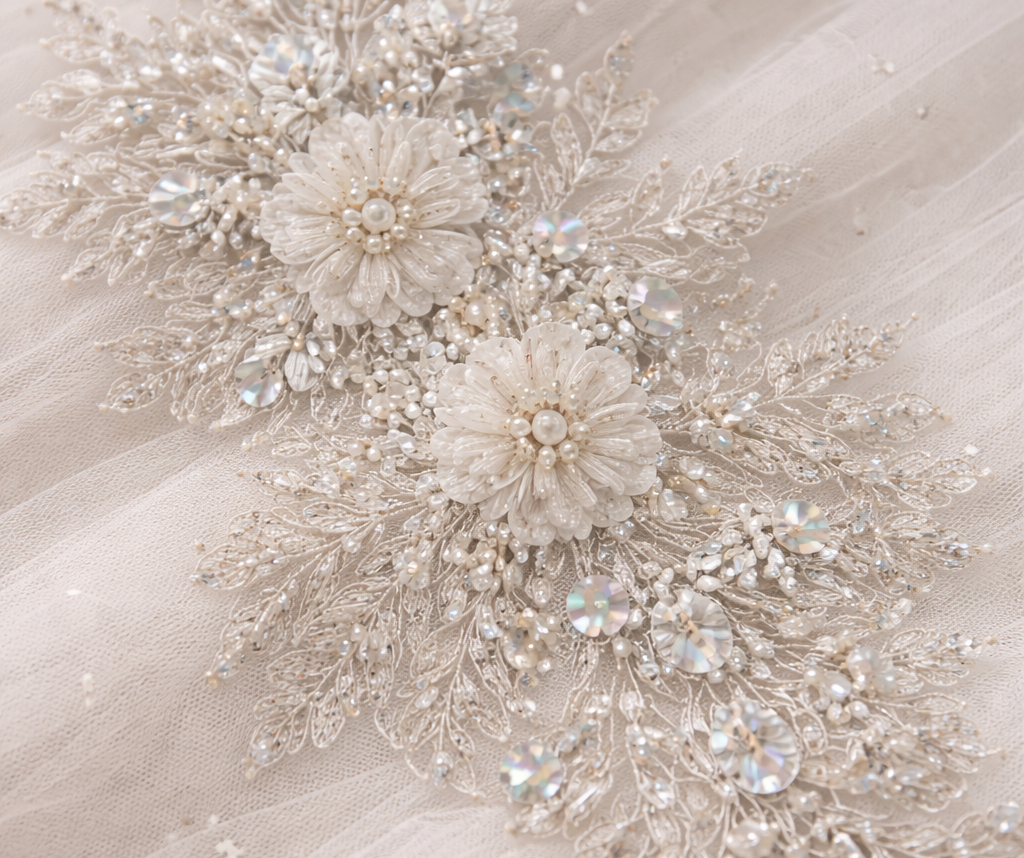
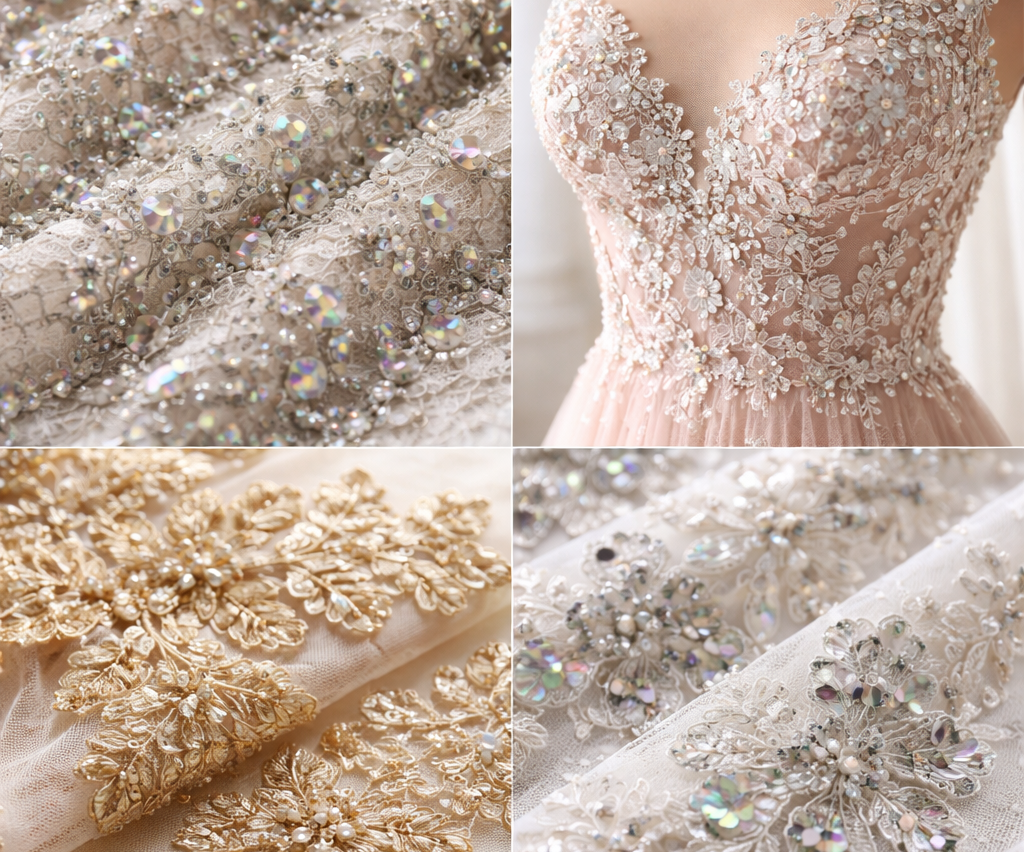
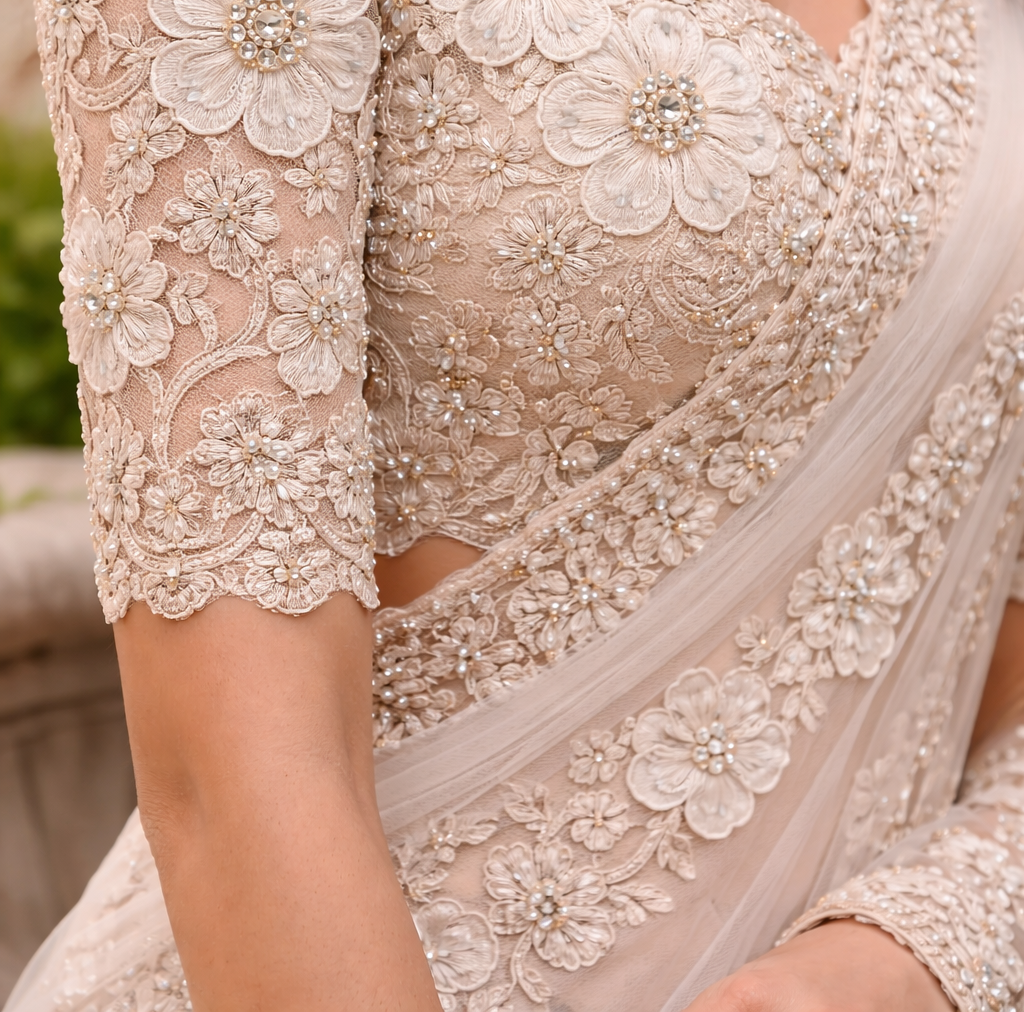
This is where lace embroidered designs, corded embroidery ideas, and rhinestone sequin appliques DIY methods come in. They add texture. They add shine. They make simple fabric look layered and rich without changing the base material. In this lace embroidery tutorial, we will break down the real problems, why they hurt sales and creativity, and how lace embroidery with cord work and appliques can solve them step by step.
Let’s start with the real issue most people ignore.
The Problem
Basic embroidery is often limited to thread on fabric. Even when the stitch count is high, the surface stays mostly flat. According to craft supplier data from Indian online fabric stores, plain embroidered cotton fabric sells at 15–25% lower average price per meter compared to embellished lace or applique-added fabric in the same category.
Many beginners rely only on satin stitch, chain stitch, or basic floral patterns. The result is clean but common. On marketplaces like Etsy and eBay, thousands of similar designs compete in the same price range. When everything looks similar, buyers compare only price.
There is also a durability issue. Thin threads alone can loosen over time, especially on saree borders or blouse sleeves that face regular movement. Textile testing labs note that raised corded embroidery can improve stitch stability because thicker cord anchors the design more firmly into the fabric base.
Another challenge is time versus value. You may spend six hours embroidering a detailed motif. But if the final look does not appear premium, customers may not accept a higher price. That gap between effort and perceived value is frustrating.
So the real problem is not skill. It is lack of texture, structure, and visual contrast.
Agitating the Issue
Ignoring this problem can lead to slow sales and wasted effort.
Take a small example. A handmade saree seller in Surat listed plain embroidered sarees on eBay India. According to Terapeak-style market research tools used by sellers, her listings received low click-through rates compared to similar sarees with stone work or applique borders. Her average monthly sales were under 20 units.
In another case, a craft hobbyist shared on a public Etsy forum that her embroidered dupattas were getting views but not conversions. Buyers saved them but did not purchase. After feedback, she realized the designs looked “too simple” in photos.
When embroidery lacks layers, online images fail to show depth. Without shine or raised texture, the camera does not capture detail clearly. This directly affects online sales.
If you keep producing flat designs, you may feel tired, underpaid, and stuck in low pricing. Over time, this reduces motivation to create new work.
Now let’s move to the practical solution.
The Solution
Lace embroidered designs, corded embroidery, and adding rhinestone sequin appliques DIY methods can change the final result without needing complex machines.
Step 1: Choosing the Base Fabric
Select stable fabrics like net, organza, silk blend, or cotton silk. Lace embroidered fabric works well on sheer bases because the thread and cord stand out more clearly.
Step 2: Lace Embroidery Technique
Lace embroidery means stitching decorative patterns directly on lace fabric or attaching lace motifs onto another fabric.
Tools needed:
-
Embroidery hoop
-
Polyester or rayon thread
-
Sharp needle size 9–11
-
Small scissors
Secure the lace in the hoop. Follow the lace pattern lines as a guide. Reinforce floral edges with satin stitch. For beginners, start with border lace instead of full-panel lace.
Step 3: Corded Embroidery Ideas
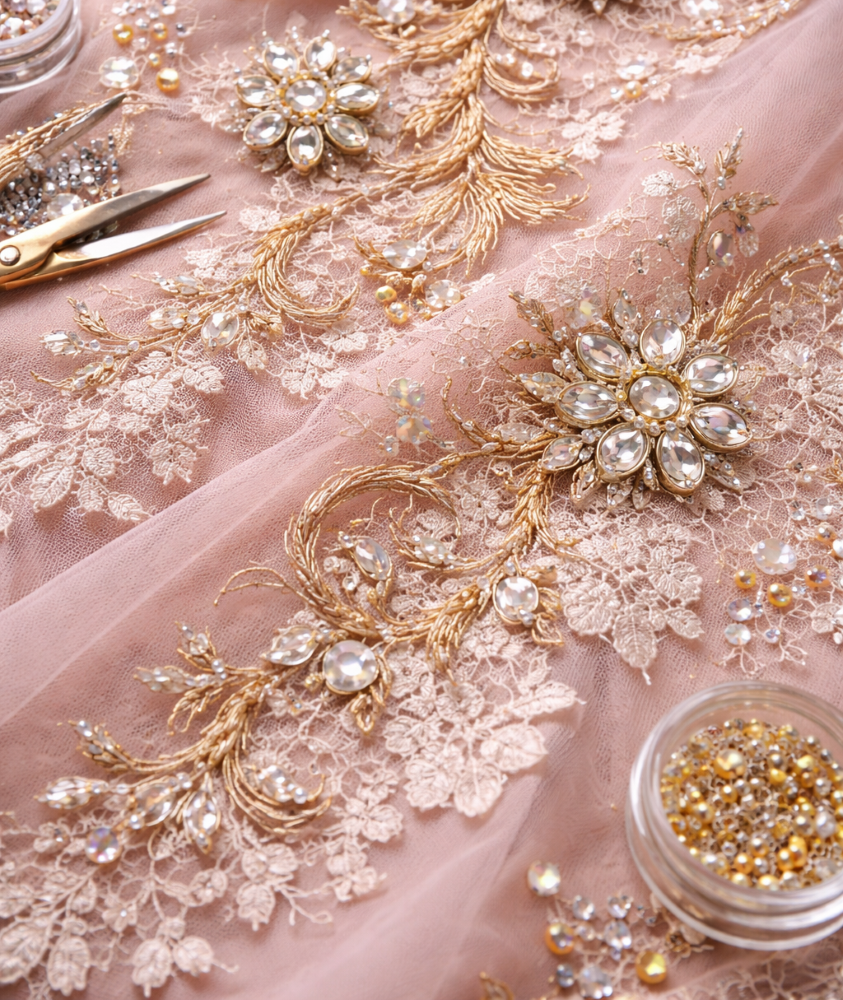
Corded embroidery uses thicker cord instead of regular thread to create raised outlines.
Extra tools:
-
Embroidery cord or thick silk thread
-
Couching needle
Place the cord along your design outline. Use small stitches over the cord (this method is called couching). Textile craft suppliers in India report cord thickness ranges from 1mm to 3mm, depending on design style.
Corded embroidery makes motifs appear three-dimensional. It also increases durability because the base stitch holds the cord in place.
Step 4: Adding Rhinestone and Sequin Appliques DIY
Rhinestone sequin appliques DIY techniques bring shine and light reflection.
You will need:
-
Pre-made applique patches or loose sequins
-
Fabric glue (heat-resistant) or needle and thread
-
Flat-back rhinestones
-
Tweezers
According to data from major craft retailers, basic sequin applique patches cost between ₹80 to ₹250 per piece in Indian wholesale markets. Flat-back rhinestones in bulk can cost ₹0.50 to ₹2 per stone depending on size.
Attach appliques after completing embroidery. Stitch them securely around the edges. For rhinestones, either glue carefully or stitch using small anchoring stitches.
Keep spacing balanced. Too many stones reduce fabric flexibility. Moderate use gives shine without weight issues.
Step 5: Final Reinforcement
After finishing, gently press from the back using low heat and a cotton cloth layer. This protects sequins and stones.
By combining lace embroidery tutorial basics with corded embroidery ideas and rhinestone sequin appliques DIY steps, you create texture, shine, and stronger visual impact.
Key Features
-
Raised texture increases depth compared to flat stitching.
-
Corded embroidery improves stitch stability by anchoring thick thread.
-
Lace embroidered fabric often sells 15–30% higher than plain embroidered fabric in online marketplaces.
-
Sequin appliques reflect light, improving product photography results.
-
Average cost of basic lace trim in India ranges from ₹50–₹300 per meter depending on design.
-
Flat-back rhinestones have adhesion strength rated for 30–40 gentle wash cycles when stitched properly.
-
Appliques reduce total embroidery time because motifs are pre-designed.
-
Mixed materials (thread + cord + sequins) increase perceived value without doubling labor hours.
-
These techniques work well for sarees, lehengas, dupattas, blouses, and even home decor cushions.
-
Market trend reports from craft industry platforms show embellished fabrics gaining steady demand during wedding seasons in India.
Real-World Case Study
Let’s look at a realistic scenario.
An eBay seller based in India selling sarees decided to test two versions of similar products. One was plain embroidered. The other included lace embroidered borders with corded outlines and rhinestone sequin appliques DIY additions.
Using sales tracking tools similar to Terapeak analytics, she compared three months of performance. The embellished sarees had about 35–40% higher average selling price. Click-through rate improved because product photos showed visible shine and raised texture.
Her monthly sales increased from around 20 units to nearly 28 units. Revenue growth was about 38% over the test period. Customer reviews mentioned “good finishing” and “detailed border work” as positive points.
The cost increase per saree was roughly ₹180 for lace and stones. But the selling price increased by ₹600–₹900 depending on design. That created better margins without major change in base fabric.
This example shows that small upgrades in texture and shine can lead to measurable sales improvement.
FAQs
1. Is lace embroidery suitable for beginners?
Yes. Start with simple lace borders instead of complex motifs.
2. What is corded embroidery mainly used for?
It is used for outlining shapes and creating raised designs.
3. Can rhinestones survive washing?
If stitched properly, many can handle 30 gentle wash cycles.
4. Is fabric glue enough for sequins?
Glue works, but stitching gives stronger hold.
5. Does adding appliques make fabric heavy?
Moderate use adds little weight. Overuse can reduce flexibility.
6. Are these techniques expensive?
Basic materials are affordable. Lace trim can start at ₹50 per meter.
7. What products sell best with this style?
Sarees, bridal blouses, dupattas, and festive wear show strong demand.
8. Can I combine machine and hand embroidery?
Yes. Many sellers use machine base stitching and hand-finish with cord and stones.
Conclusion
Plain embroidery often struggles to stand out in today’s busy market. Flat stitches alone may not justify higher pricing. Ignoring texture and shine can lead to slow sales and low engagement.
Lace embroidered designs, corded embroidery ideas, and rhinestone sequin appliques DIY methods offer a practical solution. They add depth. They improve durability. They increase visual impact. They also help improve online product photos and customer interest.
The steps are simple. Choose stable fabric. Add lace embroidery. Outline with corded stitching. Finish with balanced applique placement. Reinforce properly.
You do not need expensive machines. You need thoughtful layering.
If you want your next project to look more detailed and sell at better value, try these techniques on your next saree, blouse, or craft item. Start small. Test results. Improve step by step.
Your fabric can do more than stay flat. Give it texture and shine. Try it on your next project.