Introduction: What Are Appliques and Why They Matter
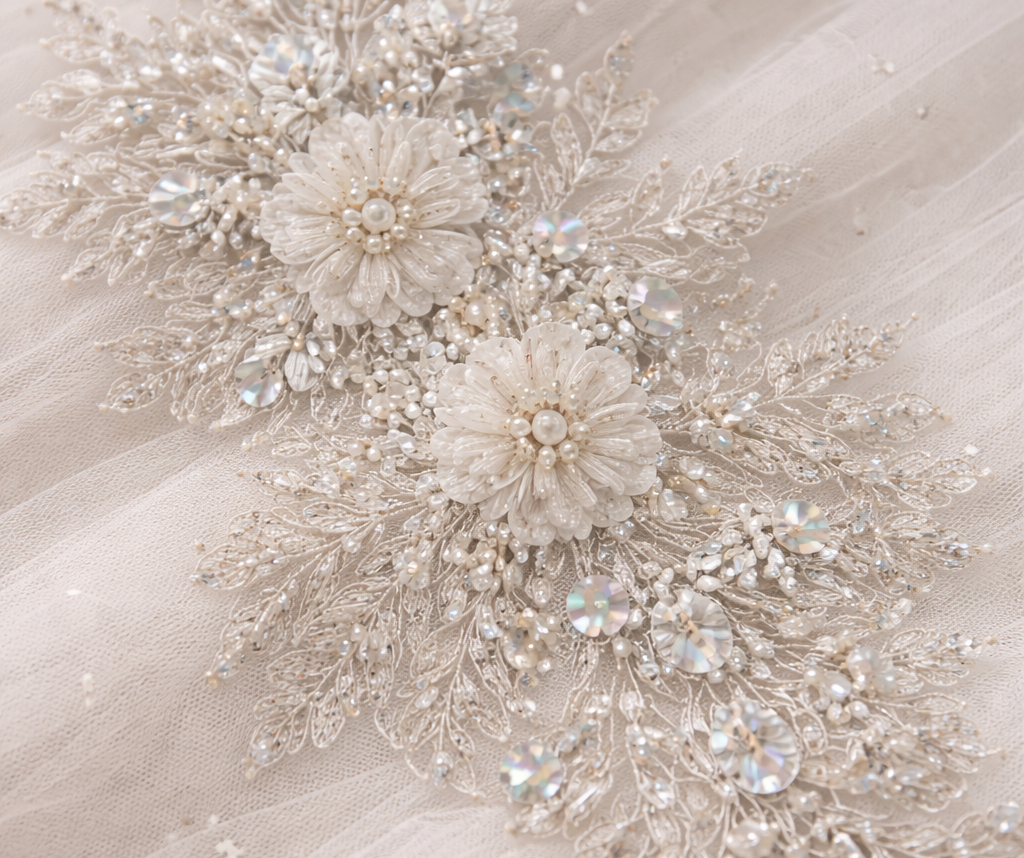
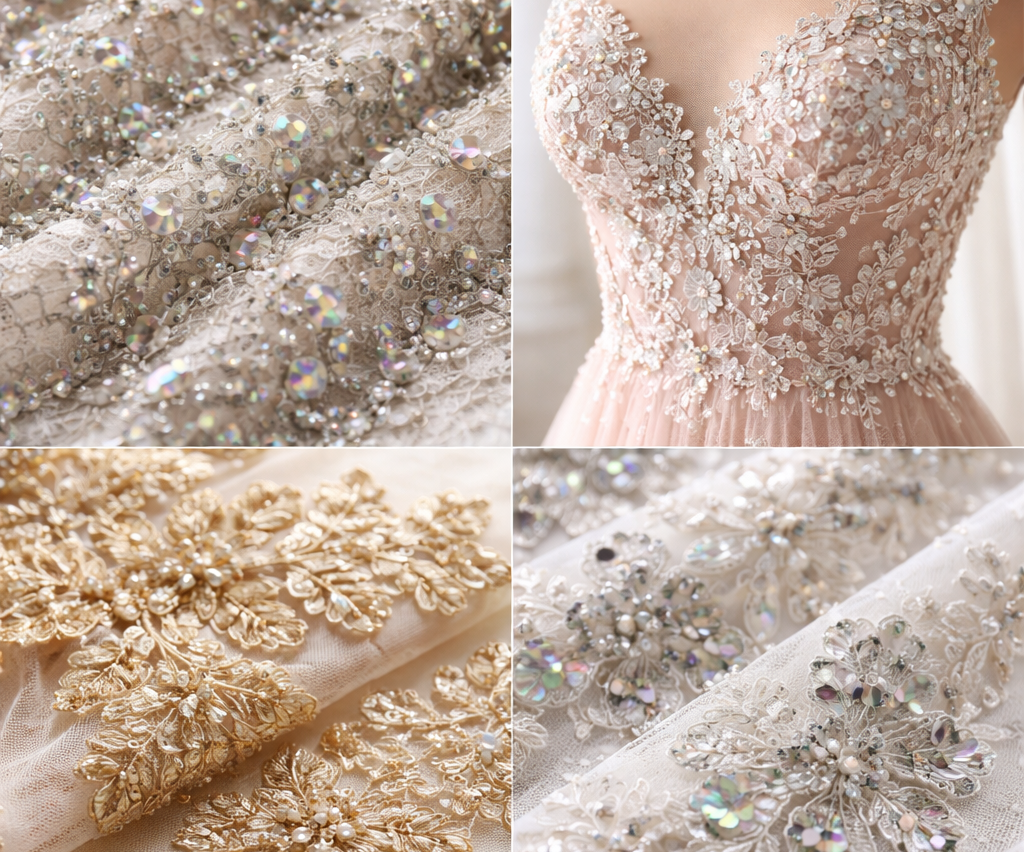
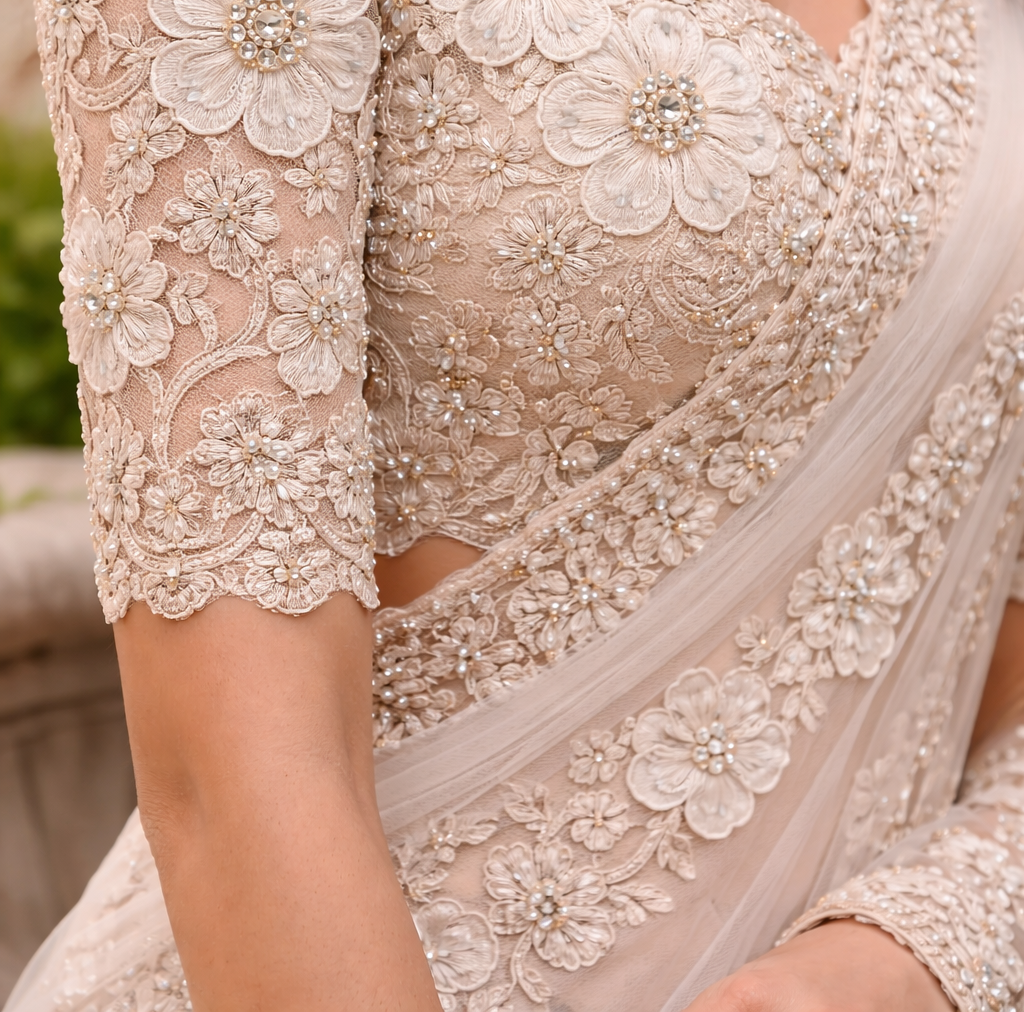
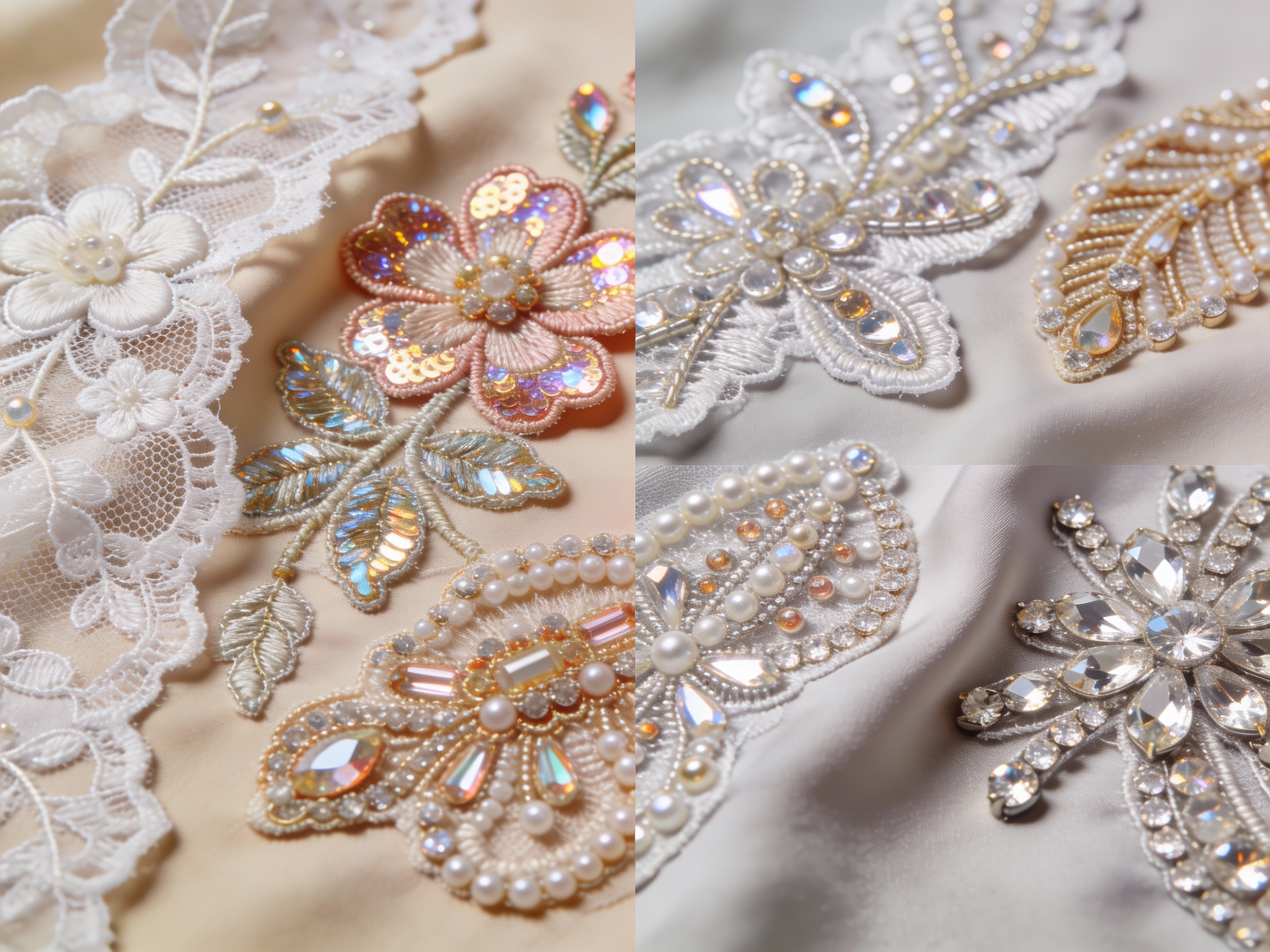
Appliques are small decorative pieces you attach to fabric. Think of lace flowers on a wedding dress, a sequin star on a jacket, beaded edges on a dress, or rhinestone clusters on stage outfits. They’re popular because they add texture, shine, and style without you having to create the whole design from scratch.
In fashion and textiles, appliques are often used as visible trims—details that catch the eye first. They’re also a favorite for DIY projects because you can quickly turn a plain item (like a bag, jeans, or blouse) into something special with just one patch.
But here’s the real deal: appliques can look elegant or cheap, depending on what you buy and how you use them.
Problem: Why Choosing and Using Appliques Is Harder Than It Looks
If you’ve ever bought trims for a project or even just for fun, you’ve probably faced some of these issues:
Quality varies. Sequins can break, beads can fall off, rhinestones can pop, or the embroidery might look messy under bright light.
They can be fragile in real use. Something that looks great on a hanger might not survive an event, a wash, or just a few hours of wear.
Buying them can be tricky. Colors might not match what you expected, motifs could be different from the picture, or the backing could be rough and stiff.
Attaching them can damage the fabric. Heat from iron-ons can burn synthetic fabrics, glue can seep through thin materials, and stitching can wrinkle delicate fabrics.
Weight and comfort are often ignored. Heavy beading can pull down a neckline, change how the fabric hangs, or feel uncomfortable on the skin.
In short: appliques are small, but the problems they cause are not.
Agitation: The Real-Life Problems for Designers and Brands
This is where things get expensive—fast.
Your production slows down. Hand-sewing beaded designs takes time, and if stones keep falling off, you’ll spend more time fixing pieces than finishing them.
Fit and shape can go wrong. A beautiful lace flower placed on stretchy fabric might cause wrinkles or bubbles, especially in close-up photos.
Returns and complaints go up. Customers don’t say, “The rhinestones were low quality.” They say, “It broke,” “It snagged,” or “It looks cheap.”
Last-minute sourcing turns into panic buying. If your trims arrive wrong, you might have to pay extra for fast shipping, accept mismatched items, or change your design at the last minute.
Photos can expose flaws. Under bright lights, uneven sequins or cloudy stones stand out right away.
Even famous fashion houses are known for their finishing touches—lace, beadwork, and detailed trims are what made high-end clothes stand out. The Met notes how the House of Worth used simple lines but added lace and beadwork to make garments special. [The Metropolitan Museum of Art]
That’s the pressure: appliques aren’t just extras. They’re often the highlight of a piece.
Solution: How Appliques Can Solve These Problems—If Used Right
The good news is: the same qualities that cause problems are also why appliques work so well. The key is to treat them like a system—motif, backing, attachment method, and care—not just something you stick on at the end.
Embroidered Flower Lace Appliques: Adds shape and softness
Gives depth and style without adding much weight, perfect for light fabrics.
Looks handmade, which prints can’t match.
Helps guide attention to key areas like bodices or necklines.
Tips: Look for clean stitching, use a stable base for stretchy fabrics, and seal cut edges to prevent fraying.
Sequin Appliques: Adds shine and makes designs pop
Gives lots of sparkle in a small area, great for stage outfits or evening wear.
Makes simple designs look complete.
Tips: Test sequins with your iron and lighting, sew them in the right direction for best shine, and reinforce areas that get a lot of wear.
Beaded Appliques: Adds luxury and texture
Gives weight and drape, perfect for necklines and cuffs.
Feels rich and looks high quality in photos.
Tips: Make sure knots are secure, space beads evenly, and line the inside for comfort.
Rhinestone Appliques: Adds reliable sparkle
Great for logos or repeated designs.
Can be placed with hotfix, transfer sheets, or sewing.
Tips: Use the right heat and pressure for hotfix stones, add extra stitching for stretchy or active wear, and check for glue marks on light fabrics.
A simple workflow to avoid most mistakes:
Know how the item will be used (event, everyday wear, kids, sports).
Test durability with rubbing, bending, and light tugging.
Choose the right attachment method (sew for long life, hotfix for speed, glue only if tested).
Place appliques away from seams or high-wear areas unless reinforced.
Features to Look For in Each Applique Type
| Applique Type | What to Check |
|---|---|
| Embroidery (lace) | Clean stitching, stable backing, sealed edges, colorfast threads |
| Sequin | Good quality material, secure stitching, flexibility, shine under light |
| Beaded | Bead type, weight, secure knots, comfort lining |
| Rhinestone | Clear stones, secure setting, strong adhesive, durability |
Real-World Example: Swarovski Crystals at the Met Gala
A great example is Alex Consani’s 2025 Met Gala look, featuring a tailored suit dress with crystal-encrusted lapels. Vogue reports that the piece had 18,400 stones set by hand, placed to wrap around the waist and back. This shows how careful crystal placement can become the main design, not just decoration. [Vogue]
Why this matters for everyday designers:
Placement matters more than just adding sparkle. The crystals were placed to frame the shape and stand out in photos.
Hand-setting is expensive but keeps stones aligned and secure.
The design supported the garment’s style, not just added random shine.
For smaller brands, the lesson is simple: plan your appliques like you plan your pattern—think about movement, stress points, and purpose.
FAQs
Should I sew or glue appliques?
Sewing is best for items that need to last. Glue can work for specific cases, but always test for stiffness and color bleed.Can I sew over sequins and beads?
You can, but it’s risky. Needles might break, and you could damage the applique. Many sew around the edges or attach key points by hand.How do I stop appliques from wrinkling sheer fabric?
Use a stabilizer, reduce tension, and avoid stretching the fabric while sewing. Choose a soft backing and spread out the attachment points.Are rhinestones washable?
Some are, some aren’t. Hotfix stones might not survive heat or washing. Always test your fabric, stone, and method before making a lot.How can I quickly check applique quality when a shipment arrives?
Gently tug beads or stones, rub sequins or stones, and check the backing and stitching for loose threads or uneven tension. Catching problems early saves money.
Conclusion: Smarter Applique Choices Mean Fewer Problems
Embroidered lace, sequin, beaded, and rhinestone appliques can make a garment stand out fast. But they’re not just last-minute decoration. Treat them like an important part of your design: pick the right type for your needs, test how they hold up, choose the best way to attach them, and place them where they work with the garment’s shape and movement.
Do that, and you’ll get the best of both worlds—great style and fewer quality issues when your pieces are actually worn.