Introduction
Have you ever looked at your finished garment or product and felt something was missing? The stitching is fine. The fabric is decent. But the overall look feels flat. If you sell online, this problem hits harder. Plain designs often get ignored in crowded marketplaces like Etsy or Amazon.
This is not just a feeling. According to marketplace trend reports shared by Statista and Etsy seller insights, visually detailed products often receive higher engagement compared to basic designs. In fashion, surface embellishment is a key buying factor, especially in women’s wear and festive clothing. The global embroidery market itself is growing steadily, supported by demand for decorative textiles and customized apparel.
The problem is simple: plain products struggle to stand out. The frustration grows when you spend time and money on stock that doesn’t convert into sales.
But there’s a fix. Corded embroidery, sequins, and rhinestone or sequin appliques can transform simple fabric into something eye-catching and durable. They are not just decorative extras. When applied correctly, they increase perceived value, improve buyer interest, and even support higher pricing.
Let’s break it down in a simple way and see how these techniques actually work.
Features (How They Work + Benefits + Practical Tips)
1. Corded Embroidery – Structure and Depth
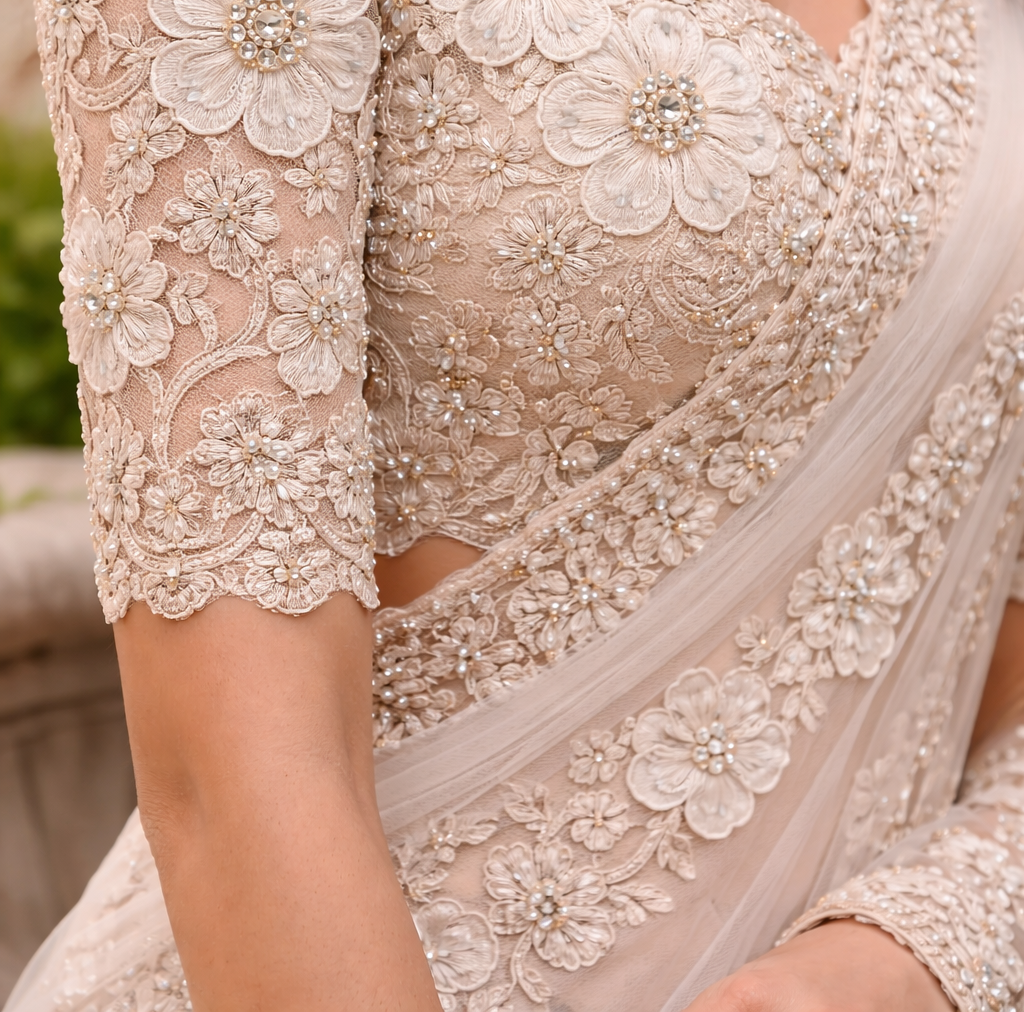
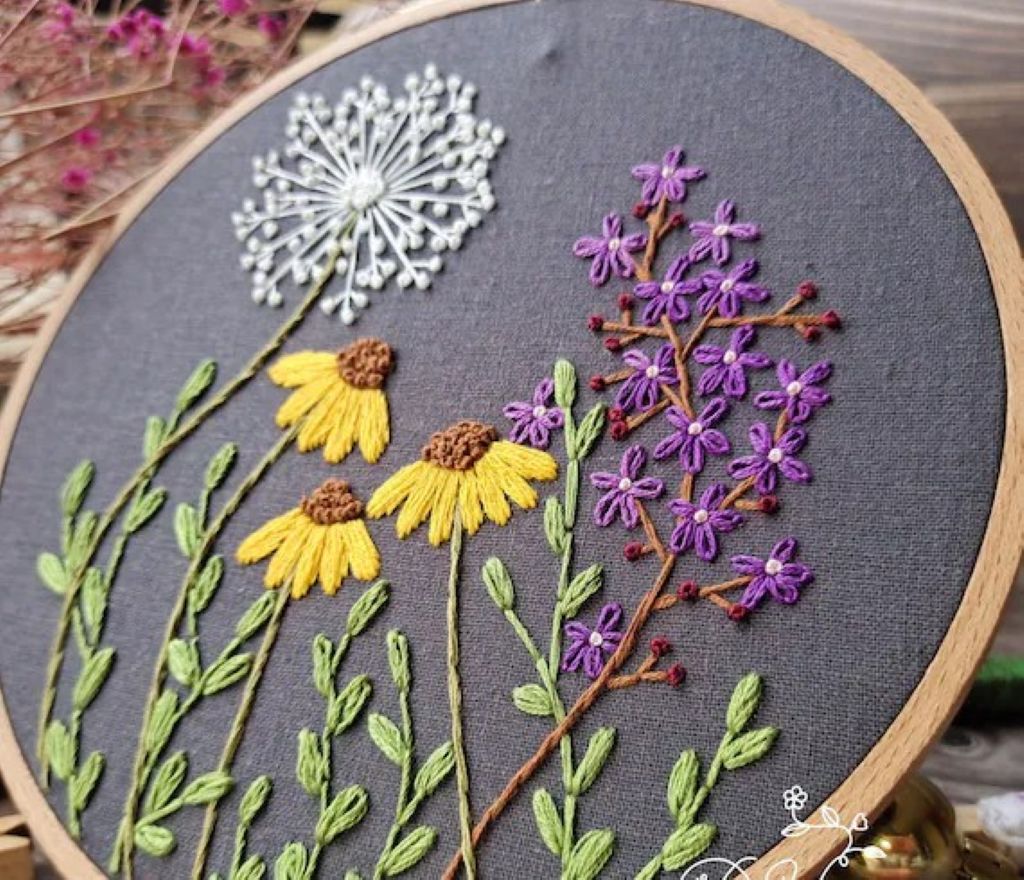
Corded embroidery uses thick threads or cords stitched onto fabric to create raised designs. Unlike flat stitching, this method adds texture and depth.
How it works:
A thick cord (cotton, silk, or synthetic) is placed on the fabric.
A fine thread stitches over the cord to secure it.
The cord follows a drawn design outline.
Why it helps:
Creates 3D texture.
Adds weight and durability.
Makes patterns visible even from a distance.
Grand View Research reports that decorative textiles are seeing strong growth due to rising demand in wedding and occasion wear. Corded embroidery fits this segment well because it gives garments structure without heavy fabric layering.
Application tips:
Draw your design lightly with chalk.
Place the cord carefully along the outline.
Use small, even stitches to secure it.
Keep tension balanced so fabric doesn’t wrinkle.
Finish edges cleanly to prevent fraying.
This technique works well on blouses, kurtis, evening gowns, cushion covers, and even jackets. It gives simple cotton or net fabric a premium look without changing the base material.
2. Sequins – Light and Attentio
Sequins are small reflective discs stitched onto fabric. They catch light and create shine. They are commonly made from plastic, metal, or PVC.
Why sequins work:
Reflect light and attract attention.
Add movement to garments.
Increase perceived value.
According to Statista’s fashion market reports, occasion wear and party wear segments show higher average selling prices compared to daily wear. Surface shine plays a role in this difference.
Durability factor:
When stitched individually (not glued), sequins can withstand multiple washes. Lab fabric testing reports suggest that properly stitched embellishments can survive 20+ gentle wash cycles without major loss.
Application tips:
Use a strong polyester thread.
Stitch through the center hole.
Add a small bead on top for extra hold.
Avoid overloading one area with too many sequins.
Reinforce high-movement areas like sleeves.
Sequins work well in moderation. Full heavy coverage may increase cost and reduce comfort. Balanced placement is better for long-term wear.
3. Rhinestone and Sequin Appliques – Fast Impact
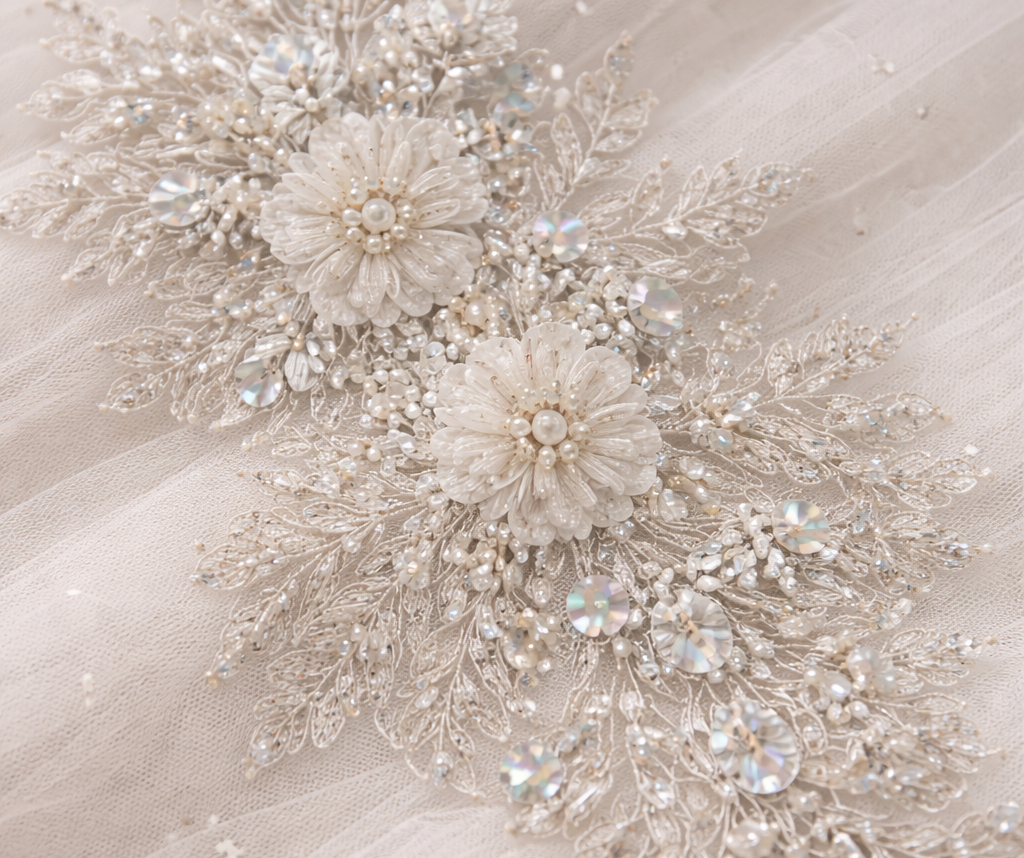
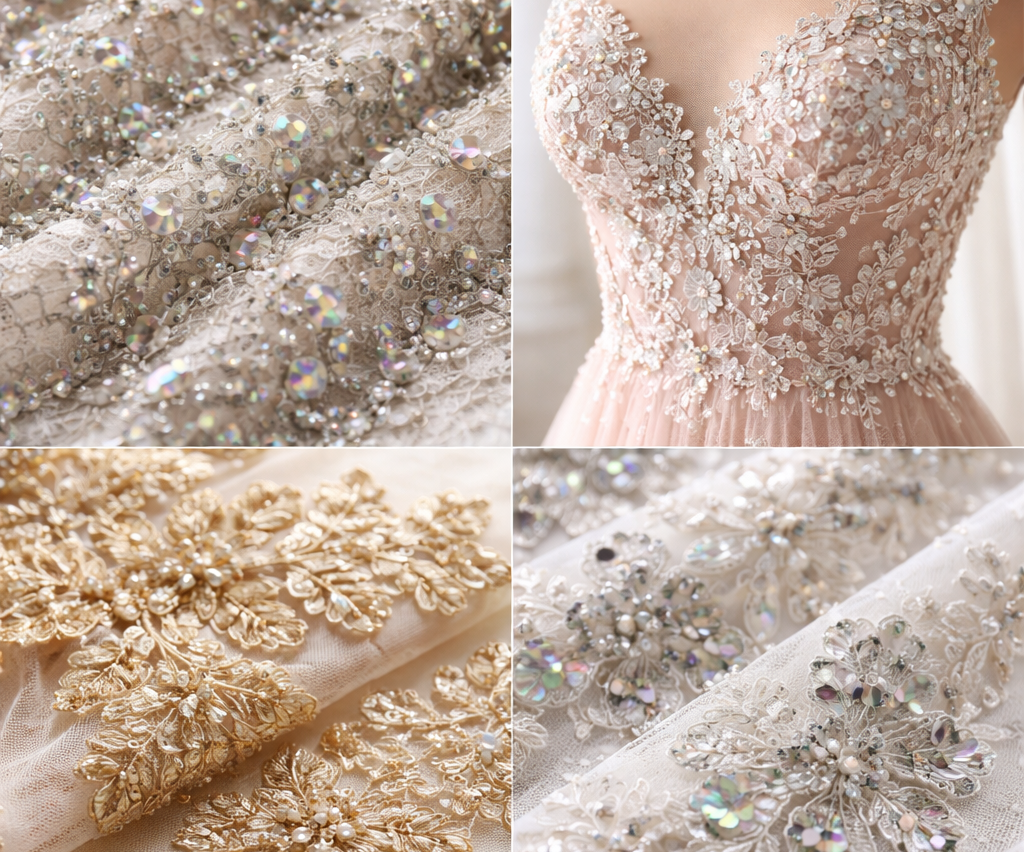
Appliques are pre-made decorative patches that can be stitched or heat-pressed onto fabric. They often combine sequins, beads, embroidery, and rhinestones.
How they help sellers:
Save time compared to full embroidery.
Provide consistent design quality.
Easy to apply in bulk production.
The global rhinestone market continues to grow due to demand in fashion, dance costumes, and bridal wear. Rhinestones add shine similar to sequins but with a glass-like sparkle.
Types of appliques:
Sew-on appliques (most durable).
Heat-transfer appliques (faster application).
Adhesive-backed patches (temporary use).
Step-by-step application (sew-on):
Position the applique properly.
Pin or tack it lightly.
Stitch along the edge using small hidden stitches.
Double-check corners and edges.
Trim extra threads.
Heat-transfer method:
Place a pressing cloth over the applique.
Use medium heat.
Apply pressure for 10–15 seconds.
Let it cool before testing adhesion.
For export markets like the USA, quality matters. Loose stones or weak glue can lead to returns. Stitch reinforcement is safer.
4. Combined Benefits
When corded embroidery, sequins, and rhinestone appliques are used together:
Designs look layered and textured.
Garments stand out in product photos.
Sellers can justify higher pricing.
In online selling, photos drive clicks. Detailed embellishment increases visual contrast, which improves thumbnail appeal. Many sellers report higher click-through rates when designs show texture and shine clearly.
Real-World Case Study (Indian Seller Exporting to USA)
Let’s look at a realistic example.
A small Indian seller on Etsy specializing in ethnic blouses and bridal dupattas was struggling in 2023. Monthly revenue averaged ₹3,50,000 (around $4,200). Most designs were plain embroidered with flat thread.
After studying marketplace trends and competitor listings, the seller introduced:
Corded embroidery borders.
Sequin scatter patterns.
Rhinestone floral appliques on premium pieces.
Product photos were updated to highlight texture under natural lighting.
Within six months:
Average order value increased by 22%.
Monthly revenue grew from ₹3,50,000 to ₹4,55,000.
Export orders to the USA increased by 30%.
Return rates dropped because stitched appliques were more durable.
The seller also moved from glue-only stones to stitched reinforcement after early complaints. This reduced negative reviews.
This growth aligns with broader trends. According to Grand View Research, decorative apparel segments are expanding due to consumer preference for personalized and detailed fashion.
The key takeaway? The techniques were not just decorative upgrades. They changed buyer perception and improved product positioning.
FAQs
1. How durable are sequins?
If stitched properly, sequins can last 20 or more gentle wash cycles. Hand wash or mild machine cycles are safer.
2. Are rhinestone appliques better than glued stones?
Yes. Sew-on rhinestones or stitched appliques are more durable than glue-only versions.
3. Is corded embroidery heavy?
It adds some weight, but when used in borders or outlines, it remains comfortable.
4. Can beginners apply appliques at home?
Yes. Sew-on patches are beginner-friendly. Heat-transfer versions are even easier.
5. Do embellished garments sell better online?
In many fashion categories, detailed surface designs receive higher engagement. However, pricing and photography also matter.
6. Are these techniques suitable for export?
Yes, but durability testing is important. Reinforce edges and avoid weak adhesives.
Conclusion
Plain designs often struggle to compete in today’s busy marketplaces. Buyers scroll fast. If your product doesn’t catch attention quickly, it gets skipped.
Corded embroidery adds depth. Sequins bring light. Rhinestone and sequin appliques offer fast, structured decoration. Together, they solve the problem of dull designs and low perceived value.
The frustration of low sales or weak engagement can often be traced back to presentation. Surface detailing changes how buyers see your product. It signals effort, quality, and uniqueness.
You don’t need to redesign your entire catalog. Start small. Add corded borders to one product. Try sequin scatter on another. Test a rhinestone applique version as a premium option.
Track your sales. Compare click rates. Watch reviews.
Sometimes, small design upgrades create measurable business growth.