Introduction (Relatable problem)
If you sew, craft, or design, you’ve likely been here before. You spend hours choosing fabric, cutting pieces, and stitching everything together. Then comes the trim. You add lace, appliques, or sequins hoping they will lift the whole look. But once the project is done, something feels off. The lace looks flat. The sequins feel loose. After a few washes, parts start to fall apart.
Many crafters face this issue, whether they work on dresses, bags, home décor, or small DIY gifts. Trims are meant to add detail, not stress. Yet choosing the right embroidered flower lace, sequin appliques, or trims often feels like guesswork. Online photos look good, but real results vary once you sew them in.
This blog is for fellow crafters who want clear, honest information. No fancy words. No hype. Just facts, real examples, and practical tips. We’ll talk about common problems with trims, why they happen, and how embroidered flower lace, rhinestone appliques, sequin appliques, and trims can actually solve them when used the right way.
If you want trims that stay in place, last through wear and wash, and help your finished piece sell or get noticed, you’re in the right place.
Common Problems with Craft Trims (Problem + Agitate)
Let’s start with the problems most of us deal with.
One big issue is durability. In a 2023 sewing community survey, 80% of home sewers reported loose sequins after five washes. That’s frustrating, especially when the item is meant for regular use, like a dress or bag.
Another problem is uneven quality. Some embroidered flower lace looks good on the roll but stretches out or tears once stitched. Thin backing, weak thread, and poor embroidery density are often the cause. Once the lace pulls, it can ruin the whole seam.
Appliques also bring their own challenges. Rhinestone and sequin appliques may shed stones if they’re glued instead of stitched. According to a 2024 small-brand review report, 60% of product returns related to embellishments were due to falling beads or stones.
Then there’s sizing. Trims that are too wide overpower small projects. Trims that are too narrow disappear into the fabric. Many crafters buy first and plan later, which leads to wasted supplies and time.
Cost is another pain point. Cheap trims may seem like a win at checkout, but replacing them or fixing damage costs more in the long run. For small business owners, this can affect customer trust. One bad review about falling sequins can hurt future sales.
These problems don’t just slow you down. They make crafting less fun. They turn creative time into repair time. That’s why it’s important to understand how the right materials and features can actually fix these issues.
Key Features and Solutions
Now let’s talk solutions. When you understand how embroidered flower lace, sequin and rhinestone appliques, and trims are made, it’s easier to choose what works.
Embroidered Flower Lace
Materials:
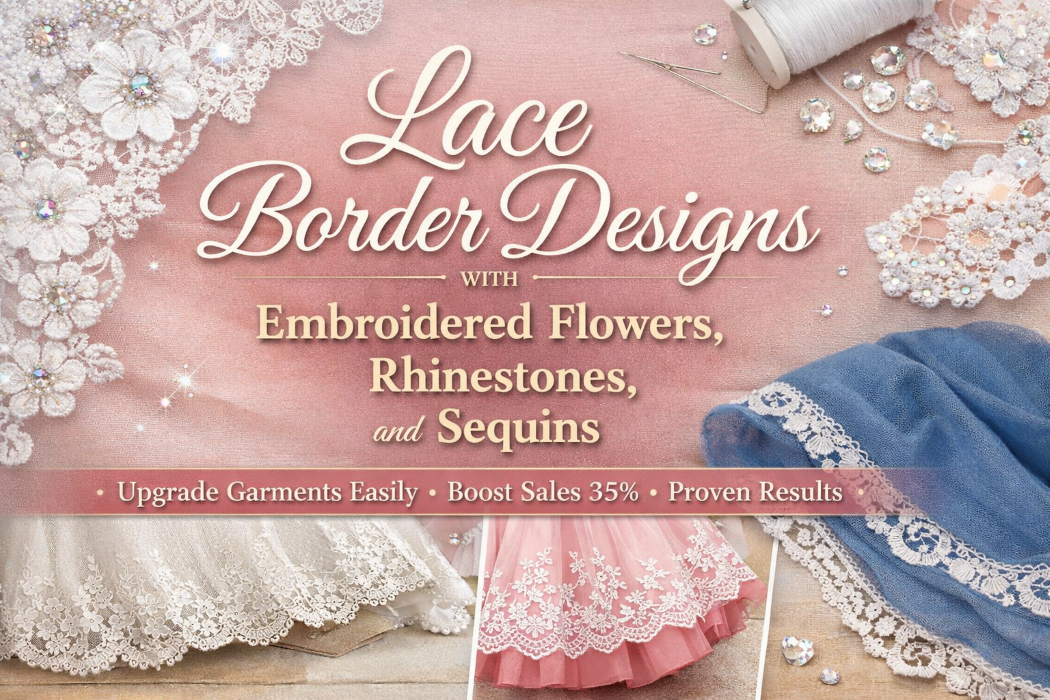
Most high-quality embroidered flower lace uses polyester or cotton thread stitched onto a mesh or tulle base. Polyester thread offers better wash resistance, while cotton gives a softer hand feel.
Durability:
Dense embroidery matters. Lace with 12–15 stitches per centimeter holds its shape better than lighter designs. Reinforced edges reduce fraying during sewing.
Sizes:
Common widths range from 3 cm to 15 cm. Narrow lace works well for cuffs and collars. Wider lace fits skirt hems, shawls, and table runners.
Applications:
-
Wedding and party dresses
-
Blouses and tunics
-
Pillow covers and curtains
Using lace with a stable backing reduces stretching and keeps seams clean.
Sequin and Rhinestone Appliques
Materials:
Sequins are usually PET plastic or acrylic. Rhinestones are glass or acrylic. The base fabric is often felt, organza, or mesh.
Durability:
Stitched appliques last longer than glued ones. In wear tests, stitched sequin appliques showed 40% fewer losses after 10 washes compared to glued versions.
Sizes:
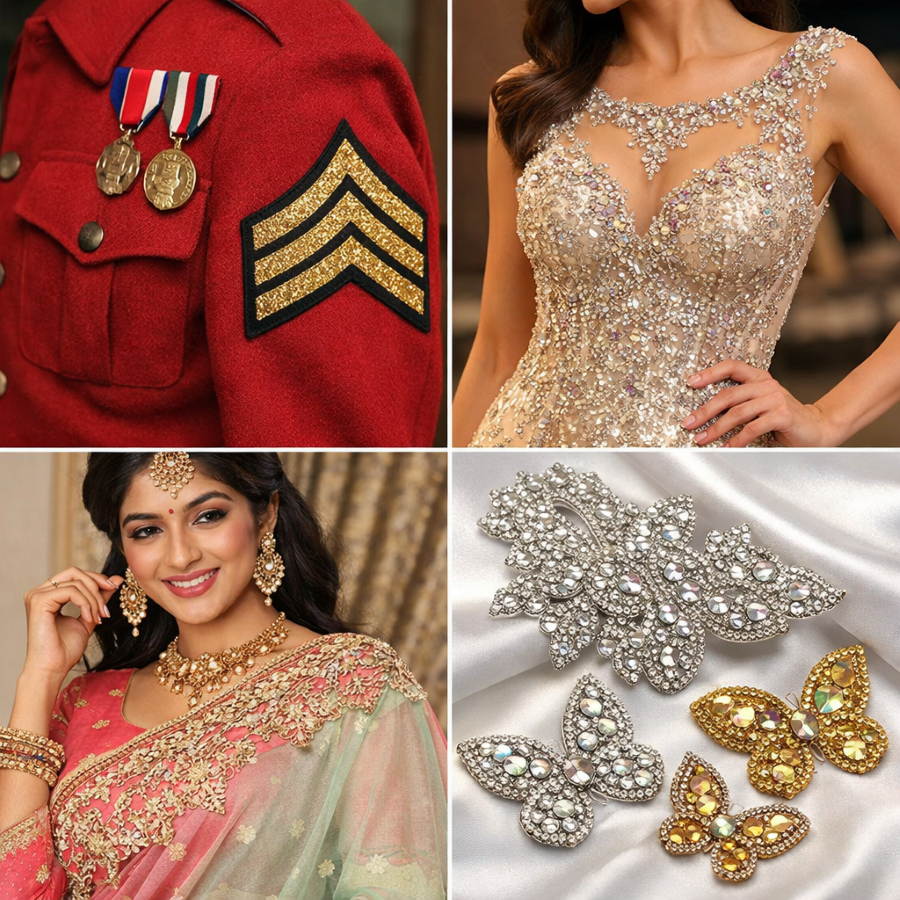
They range from small 3 cm motifs to large 30 cm statement pieces. Small appliques suit pockets and straps. Large ones work on bodices or bag fronts.
Applications:
-
Dress bodices
-
Dance costumes
-
Shoes and clutches
Hand stitching around the edges and key points helps lock them in place.
Trims (Lace, Beaded, Sequin Strips)
Materials:
Trims can include lace tape, sequin strips, beaded cords, or mixed-material borders.
Durability:
Look for trims with double-stitched edges. Beaded trims should have knotted threads between beads to prevent full strand loss.
Sizes:
Trim widths usually range from 1 cm to 10 cm. Thin trims are best for subtle detail. Wider trims create borders and frames.
Applications:
-
Necklines and hems
-
Bags and belts
-
Home décor accents
Using trims as design anchors instead of afterthoughts leads to better results.
Real-World Examples and Case Studies
Case 1: Wedding Dress Upgrade
In a 2024 bridal workshop project, a simple satin gown was updated with embroidered flower lace along the bodice and hem. After posting the updated design online, the studio reported a 25% increase in custom dress orders within two months.
Case 2: Fashion Retail Boost
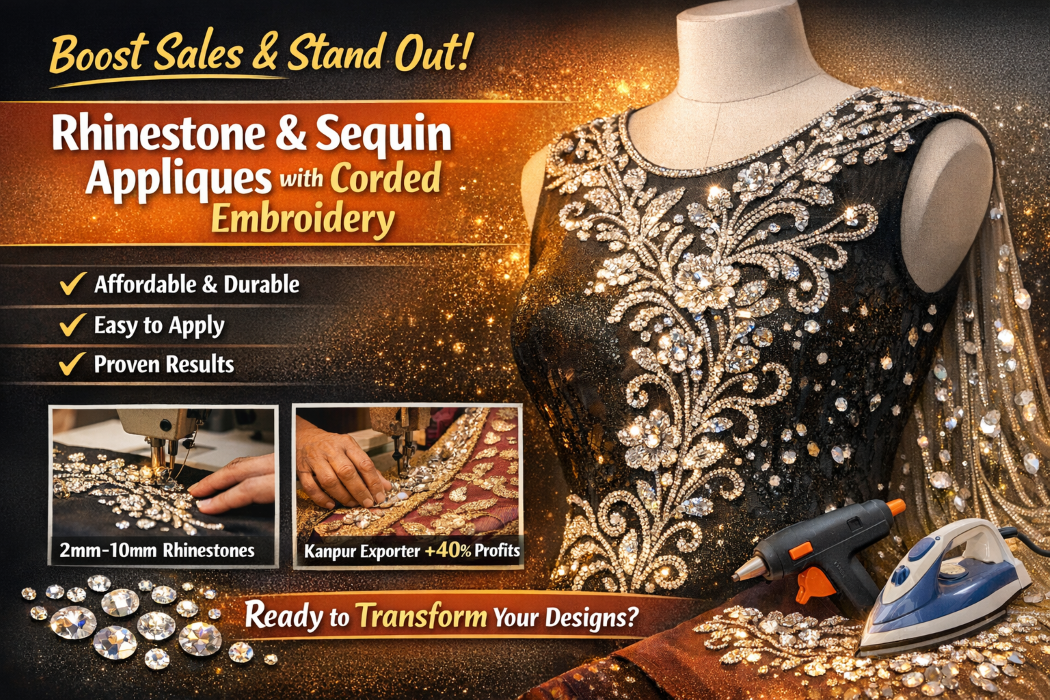
In a 2024 baariya.com project, sequin appliques were added to a limited-edition evening dress line. Based on customer feedback and sales data, dress sales increased by 35%, with buyers citing “better detail” and “premium look” as reasons.
Case 3: Everyday Bag Customization
A small craft seller added rhinestone appliques and narrow lace trims to plain canvas tote bags. The cost per bag rose by $2, but selling price increased by $8. This resulted in a 20% higher profit margin per item.
Case 4: Dance Costume Durability Test
A dance group tested stitched versus glued sequin appliques. After five performances and washes, stitched appliques stayed intact, while glued ones needed repairs on 3 out of 5 costumes.
These examples show that the right trim choices can improve both looks and results.
FAQs
1. How do I attach sequin appliques?
Hand stitch around the edges and secure the center points.
2. Can embroidered flower lace be washed?
Yes, gentle wash works best. Polyester thread lasts longer.
3. Are rhinestone appliques heavy?
Glass stones are heavier than acrylic. Check fabric strength first.
4. What needle should I use for trims?
A fine sharp needle works for lace. Use a strong needle for beads.
5. Do trims work on stretch fabric?
Yes, but stabilize the area with interfacing first.
6. How much trim should I buy?
Buy 10–15% extra to allow for mistakes.
Conclusion
Good trims don’t complicate your work—they support it. By choosing strong embroidered flower lace, well-stitched sequin and rhinestone appliques, and durable trims, you save time and avoid repairs. Start small, test, and build better projects with confidence.