Introduction
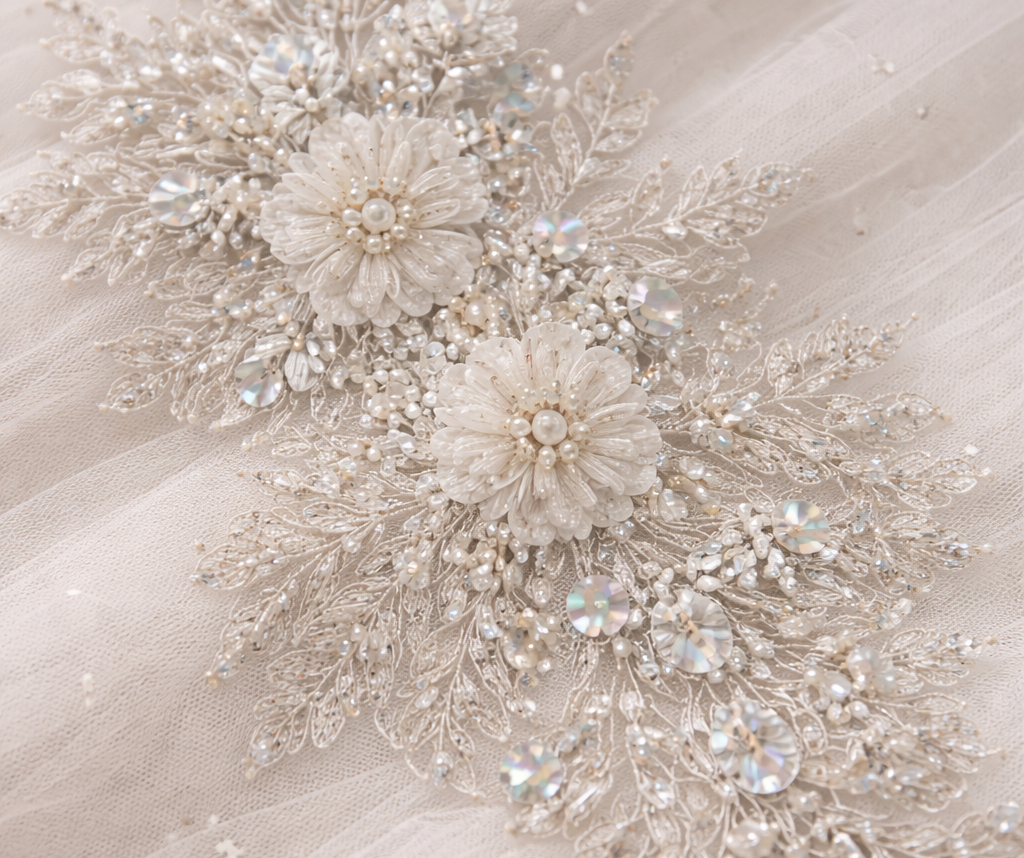
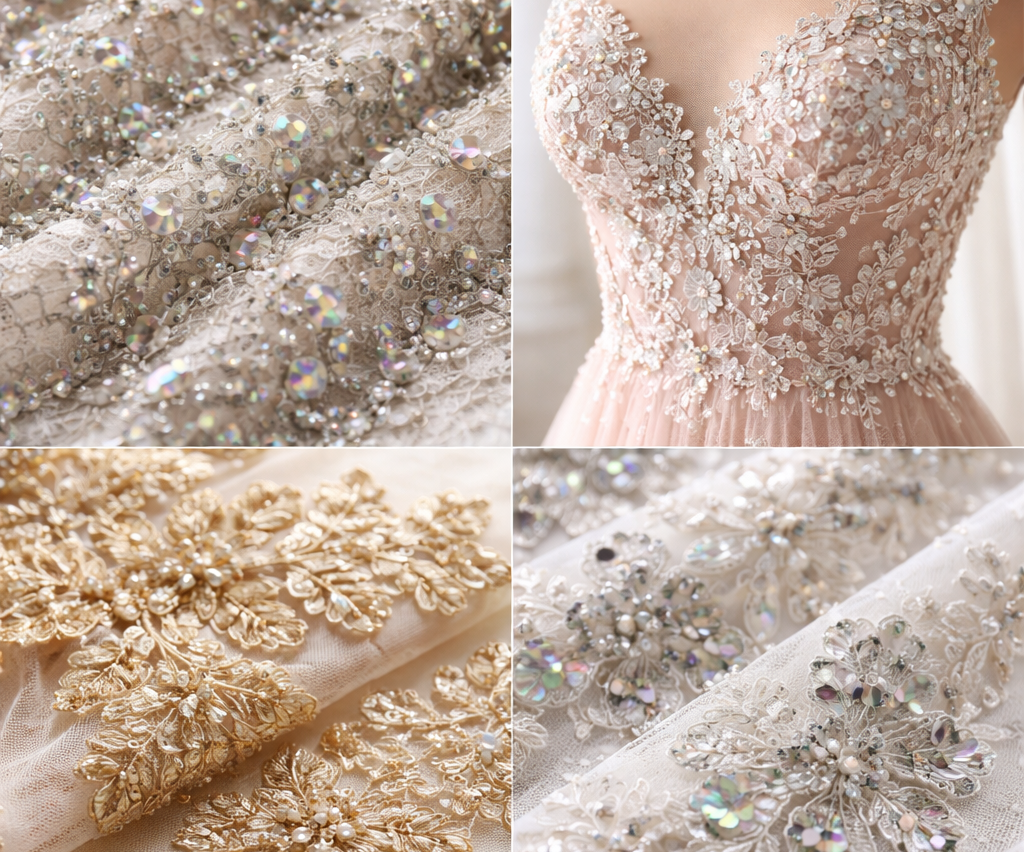
Embroidery has been a staple in textile art for centuries, evolving from simple thread stitching to intricate and glamorous designs. One of the most striking developments in embroidery is the use of cords, sequins, beads, and rhinestones to create appliques that add texture, dimension, and sparkle. These embellished pieces are used across various fields, from fashion design to costume making, and are becoming increasingly popular in bridal, couture, and evening wear. But why do they matter, and what challenges do they solve for creative professionals?
The Problem: Challenges in Traditional Embroidery and Applique Work
Traditional embroidery and applique work have been revered for their detailed and intricate nature. However, like any craft, there are challenges that can limit their potential, especially when it comes to modern, high-fashion design or large-scale textile production.
-
Time-Consuming Process: Handcrafting designs using traditional embroidery methods, especially intricate pieces with many elements, can be incredibly time-consuming. Whether you're working on a single garment or a large textile project, embroidery can take days or weeks to complete, making it difficult to meet tight production deadlines.
-
Limited Texture and Visual Impact: While traditional embroidery offers beautiful designs, the impact can sometimes be flat or limited in texture, especially when working on large surfaces or pieces meant to catch the eye.
-
Durability Issues: Depending on the materials used, traditional embroidery may not always withstand wear and tear, especially in fashion items that see frequent movement or washing.
-
Material Constraints: Traditional embroidery typically relies on thread, which, while versatile, lacks the luster and shine that some designs need for that extra sparkle, particularly in high-fashion or glamorous pieces.
These challenges often leave designers and textile artists looking for better alternatives — solutions that are quicker to implement, more durable, and offer more versatility in design.
Agitate: The Frustration of Sticking to Traditional Methods
If you've ever worked with traditional embroidery or applique techniques, you're probably familiar with the frustration of feeling limited by the materials and time constraints. It’s frustrating to spend hours on a design only to realize it lacks the texture or sparkle needed to make an impact. Perhaps you've faced challenges in creating large-scale designs that still need to retain fine details, or had to deal with the painstaking process of hand-sewing each sequin or bead into place, one by one.
Additionally, there’s the issue of durability. Embroidered pieces can wear thin over time, especially if they’re subjected to frequent washing or rubbing against rough surfaces. This becomes especially concerning in fashion design, where wearability is just as important as aesthetics.
These frustrations aren't just inconvenient for the designer; they can also affect the final product, leading to higher costs, longer production times, and a product that might not meet the client’s or consumer's expectations. That’s where appliques made from corded embroidery, sequins, beads, and rhinestones offer a refreshing solution.
The Solution: Corded, Sequin, Beaded, and Rhinestone Appliques
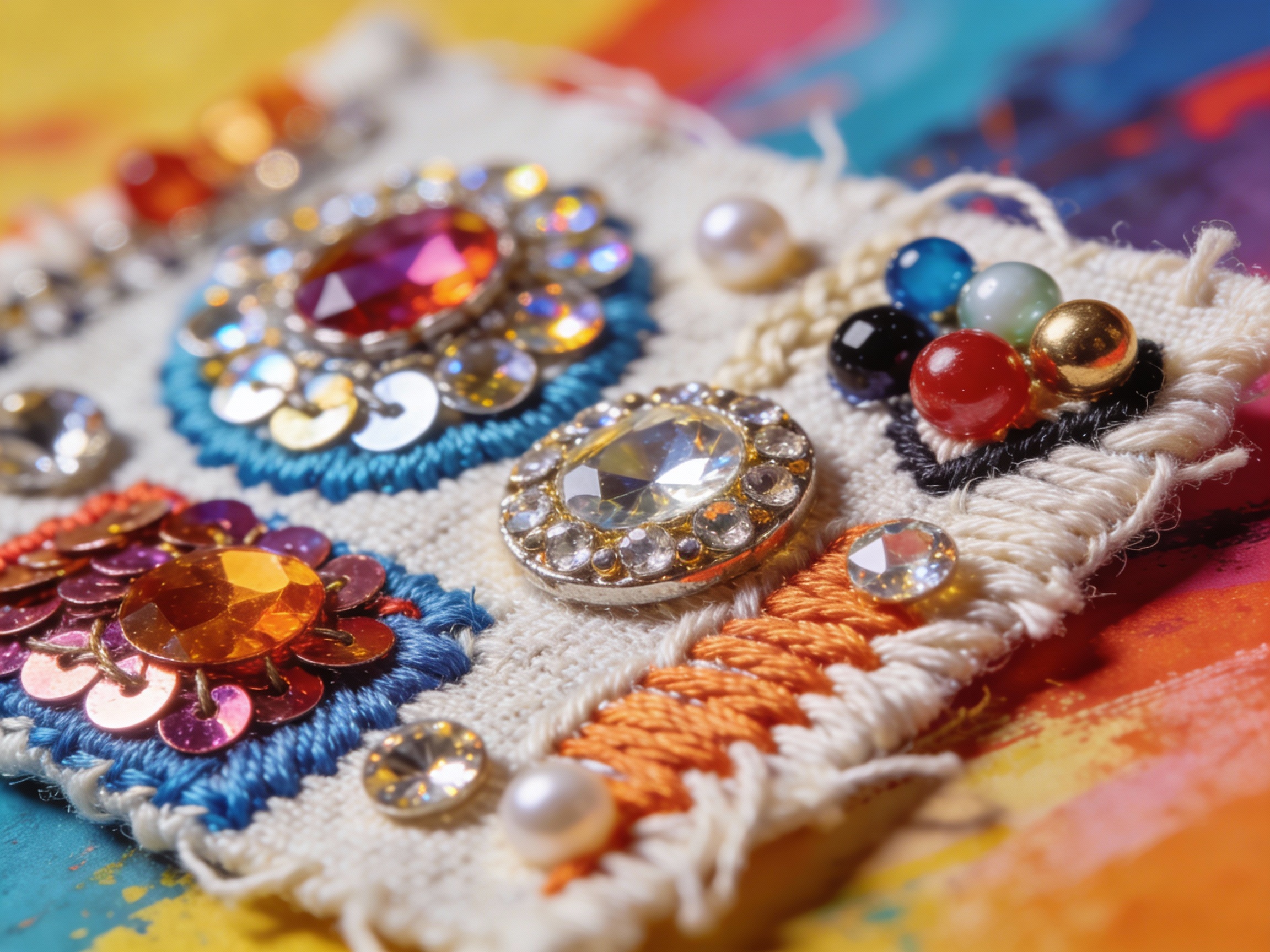
The solution to these frustrations lies in the creative use of cords, sequins, beads, and rhinestones. These pre-made or custom-designed appliques can drastically reduce the time spent on embroidery and embellishment while enhancing the overall aesthetic of the piece. Here's how they solve some of the major challenges:
-
Time-Saving: Pre-made appliques can be quickly applied to garments, textiles, or costumes, saving hours compared to traditional hand-embroidered work. Instead of stitching each detail by hand, designers can simply attach the applique to the desired surface, whether it’s a dress, a jacket, or a home decor item.
-
Enhanced Texture and Visual Appeal: By using cords, beads, sequins, and rhinestones, designers can create textures and visual effects that are hard to achieve with thread alone. These materials add dimension, shine, and tactile appeal, making the design pop. The added embellishments can make even the simplest piece of clothing look luxurious and intricate.
-
Durability and Longevity: Appliques, especially those made from high-quality beads, sequins, and rhinestones, can be much more durable than traditional embroidery. They maintain their structure and appeal over time, even after washing, ensuring the final product holds up for longer periods. Additionally, these materials are less likely to fray or deteriorate, making them ideal for long-lasting designs.
-
Versatility in Design: With a variety of materials available — from delicate beads to large rhinestones and metallic cords — designers can experiment with different combinations to create unique looks. Whether you want a subtle, elegant touch or a bold, sparkling statement, these appliques allow for endless creativity.
Features and Benefits of Appliques
Now that we've covered the basics of why corded, sequin, beaded, and rhinestone appliques are a game-changer, let's dive deeper into their specific features and the benefits they offer to creative professionals.
Corded Embroidery Appliques
-
Material: Corded embroidery involves twisting threads into a raised design, adding texture and structure.
-
Application: Used to create bold, sculptural looks, often seen in high-fashion designs and statement pieces.
-
Benefit: Adds three-dimensional depth, making the applique stand out from the fabric. Perfect for creating intricate floral patterns, abstract shapes, or architectural details.
Sequin Appliques
-
Material: Sequins are small, shiny discs made of plastic, metal, or fabric.
-
Application: Commonly used in evening wear, bridal gowns, and costumes, sequins catch the light and add a dynamic element to the design.
-
Benefit: Offer sparkle and glam to any project. Sequin appliques are often lightweight, allowing for easy integration into both light and heavy fabrics.
Beaded Appliques
-
Material: Beads are small, decorative objects made from glass, metal, or plastic.
-
Application: Often used in bridal fashion, evening wear, and haute couture, beaded appliques create an elegant, intricate appearance.
-
Benefit: Provide luxury and fine detailing. Beaded appliques often add both texture and weight, making them perfect for structured designs.
Rhinestone Appliques
-
Material: Rhinestones are faceted, shiny crystals often used to replicate the appearance of diamonds.
-
Application: Popular in fashion, bridal, and costume design for their ability to sparkle and shine.
-
Benefit: Ideal for high-impact designs that need a brilliant, attention-grabbing finish. Rhinestones can be arranged in a wide variety of patterns, from scattered accents to bold geometric shapes.
Real-World Examples and Case Studies
Let's take a look at how these appliques are used in real-world scenarios, showcasing their power to transform designs.
-
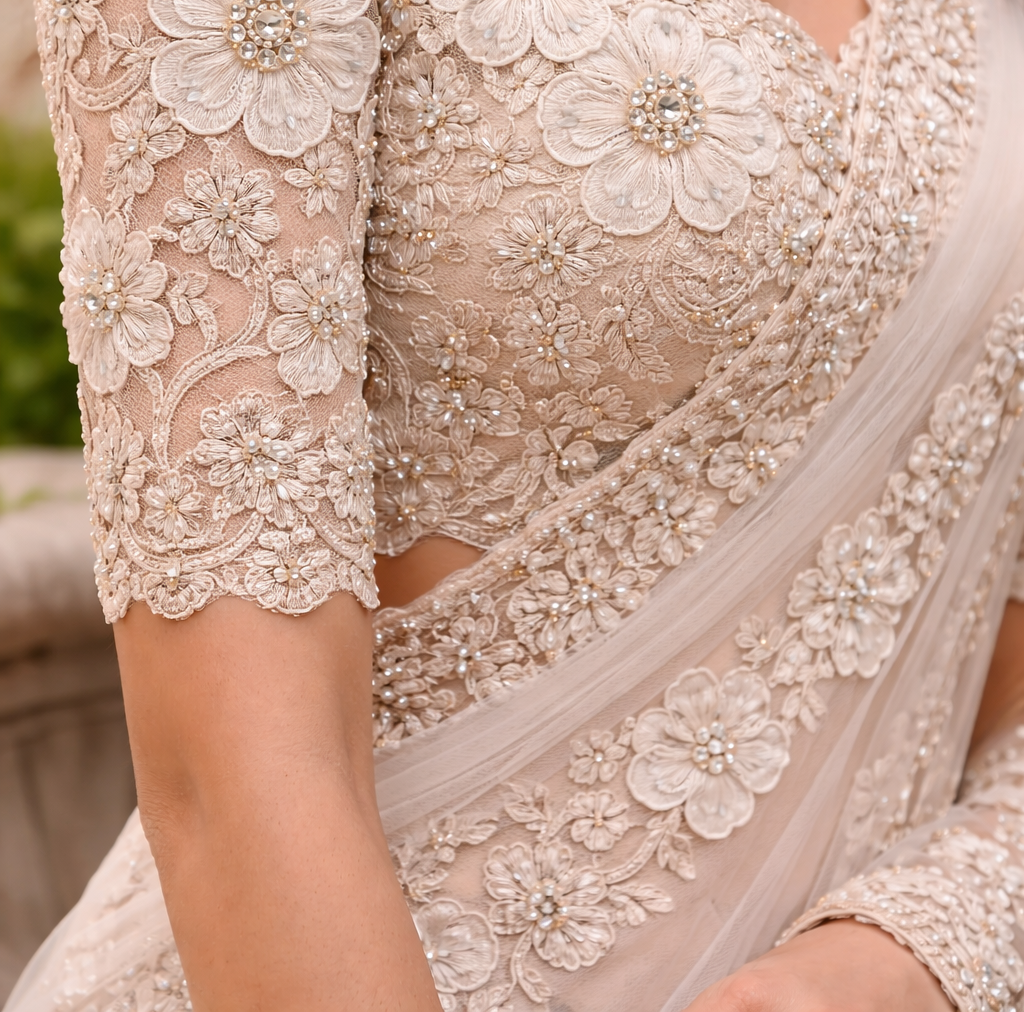
Bridal Fashion: Bridal designers often use sequin and beaded appliques to add opulence to wedding gowns. For example, renowned designers like Oscar de la Renta and Elie Saab frequently incorporate intricate beaded designs on wedding dresses, creating gowns that shimmer and sparkle under the lights. These appliques provide a level of detail that would be impossible to achieve with thread alone.
-
Couture Fashion: High-end couture designers also use corded embroidery and rhinestone appliques to create striking pieces. For example, a Chanel couture collection might feature delicate corded flowers or sparkling rhinestones embedded in the fabric of the garments, creating an eye-catching, multi-dimensional effect that enhances the sophistication of the design.
-
Costume Design: In theater and film, costume designers rely heavily on sequins and rhinestone appliques to create costumes that stand out under stage lights. For instance, musicals like Chicago and The Lion King use beaded and sequined appliques to add drama and sparkle to their costumes, elevating the overall visual impact.
FAQs: Common Questions about Appliques
-
How do I apply an applique?
Appliques can be attached using various methods, including hand-stitching, machine sewing, or using fabric glue for lighter applications. The method will depend on the fabric and the desired durability. -
Can I wash garments with appliques?
Yes! Appliques made from high-quality beads, sequins, and rhinestones are durable enough for machine washing. However, handwashing is recommended for delicate fabrics, and it’s best to wash the garment inside-out to preserve the design. -
How can I create my own applique designs?
You can create your own applique designs by selecting the right materials (beads, sequins, cords, rhinestones) and laying them out in your desired pattern. After arranging the elements, attach them to your fabric using stitching or fabric adhesive.
Conclusion
Corded embroidery, sequin, beaded, and rhinestone appliques offer creative professionals an exciting way to enhance their designs. These appliques solve common challenges, from time-consuming handwork to lackluster texture and durability issues. Whether you’re designing a wedding gown, a couture piece, or a costume, these appliques provide endless possibilities for creativity. So, embrace the sparkle, texture, and dimension they bring to your craft, and let your designs shine brighter than ever before.