Introduction
Floral lace material and lace border designs have been staples in the fashion and textile industries for centuries, contributing elegance and intricate beauty to a variety of garments and home decor items. Whether it's a bridal gown, a luxury evening dress, or a decorative table runner, lace’s delicate patterns and soft texture can elevate any design. This article dives into the features, real-world applications, and creative possibilities of floral lace material and lace borders, exploring why these timeless designs continue to captivate the world of textiles.
Features of Floral Lace Material and Lace Border Design
Lace is a fabric characterized by intricate patterns made through weaving, knitting, or crocheting. Floral lace material is a particularly popular variation, often distinguished by its flowery designs. Here's a breakdown of the essential characteristics of floral lace and lace borders:
-
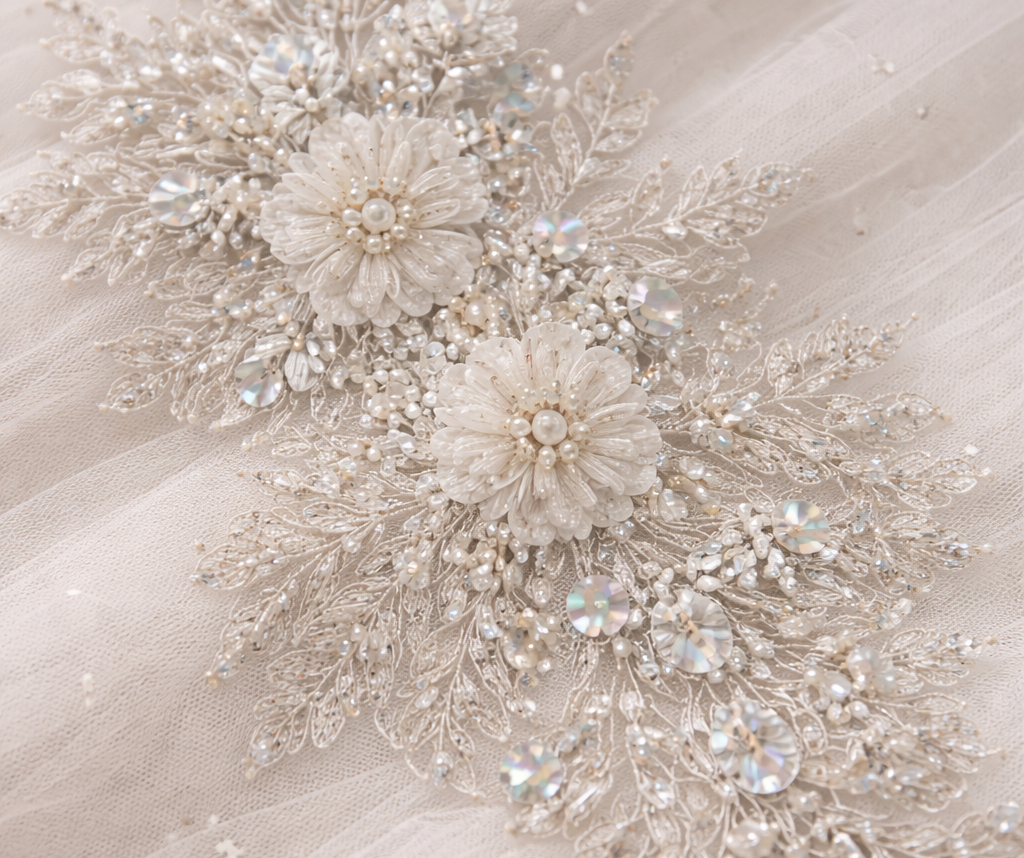
Delicate and Intricate Designs: Floral lace is known for its delicate patterns that feature flowers, leaves, and sometimes vines. The designs are often detailed, giving the fabric a rich, textured feel. These patterns can be created using various techniques, such as handcrafting or machine embroidery.
-
Variety of Fabric Types: Floral lace can be made from different materials, including cotton, silk, polyester, and nylon. Each fabric type offers unique qualities—cotton lace is breathable and soft, while silk lace provides a luxurious sheen and smooth texture. Synthetic materials like polyester and nylon are durable and commonly used in mass production.
-
Crafting Techniques: Traditional floral lace involves meticulous handcrafting, with artisans using needles to create delicate designs. Today, however, machine-made lace has become widely popular, offering consistency in pattern and cost-effectiveness. Despite this, handwoven lace is still revered for its artistry and uniqueness.
-
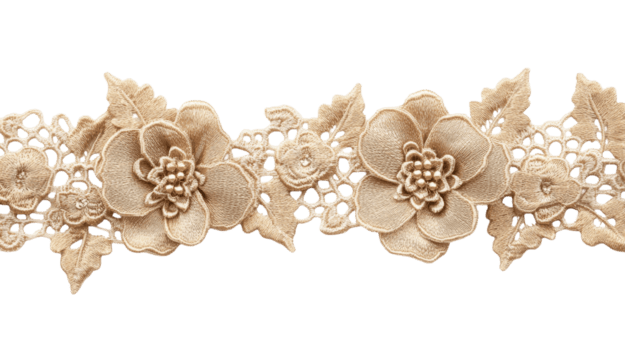
Lace Border Design: Lace borders are strips of lace fabric with an ornamental edge, often used to embellish the edges of clothing, curtains, or accessories. These borders can be sewn onto various textiles, adding a refined touch without overwhelming the design.
-
Modern Applications: Floral lace and lace borders are used in many industries today. In fashion, lace is a common material for evening wear, bridal dresses, and vintage-inspired clothing. For home decor, lace borders can be sewn into tablecloths, pillowcases, and curtains, adding a sense of sophistication.
Real-World Examples of Floral Lace and Lace Border Designs
Floral lace material and lace border designs are versatile and continue to be employed in several practical, real-world scenarios. Let's explore some of their common applications:
-
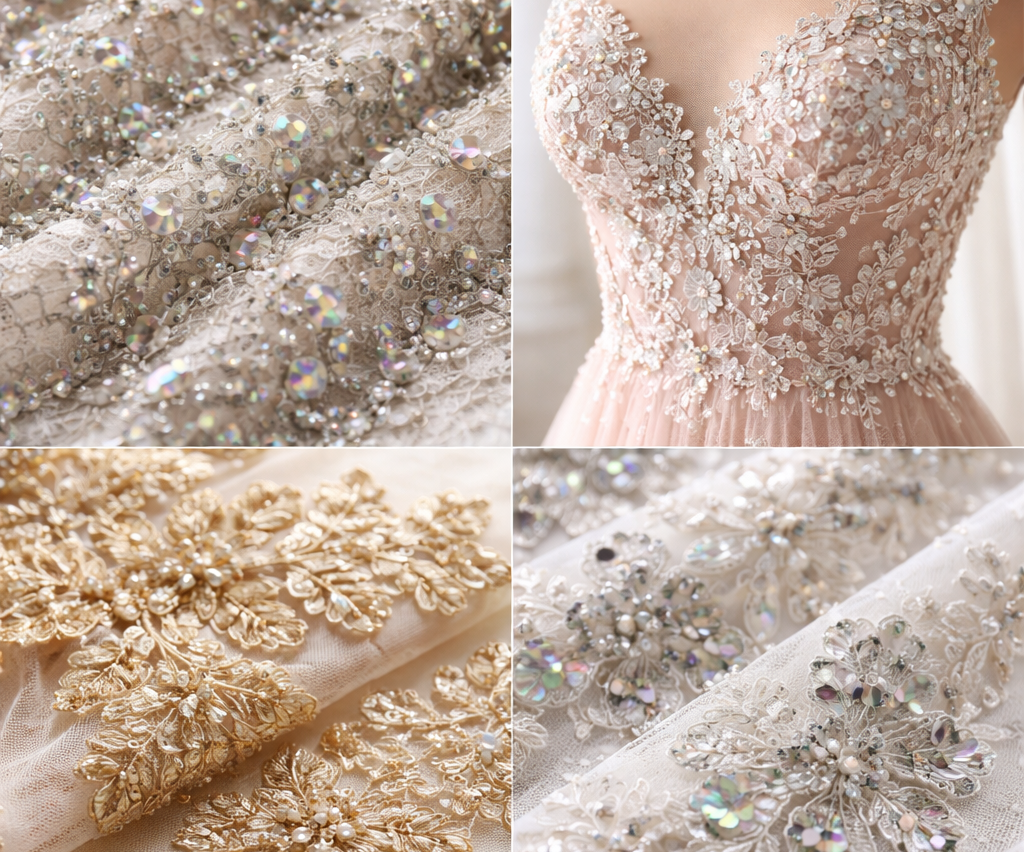
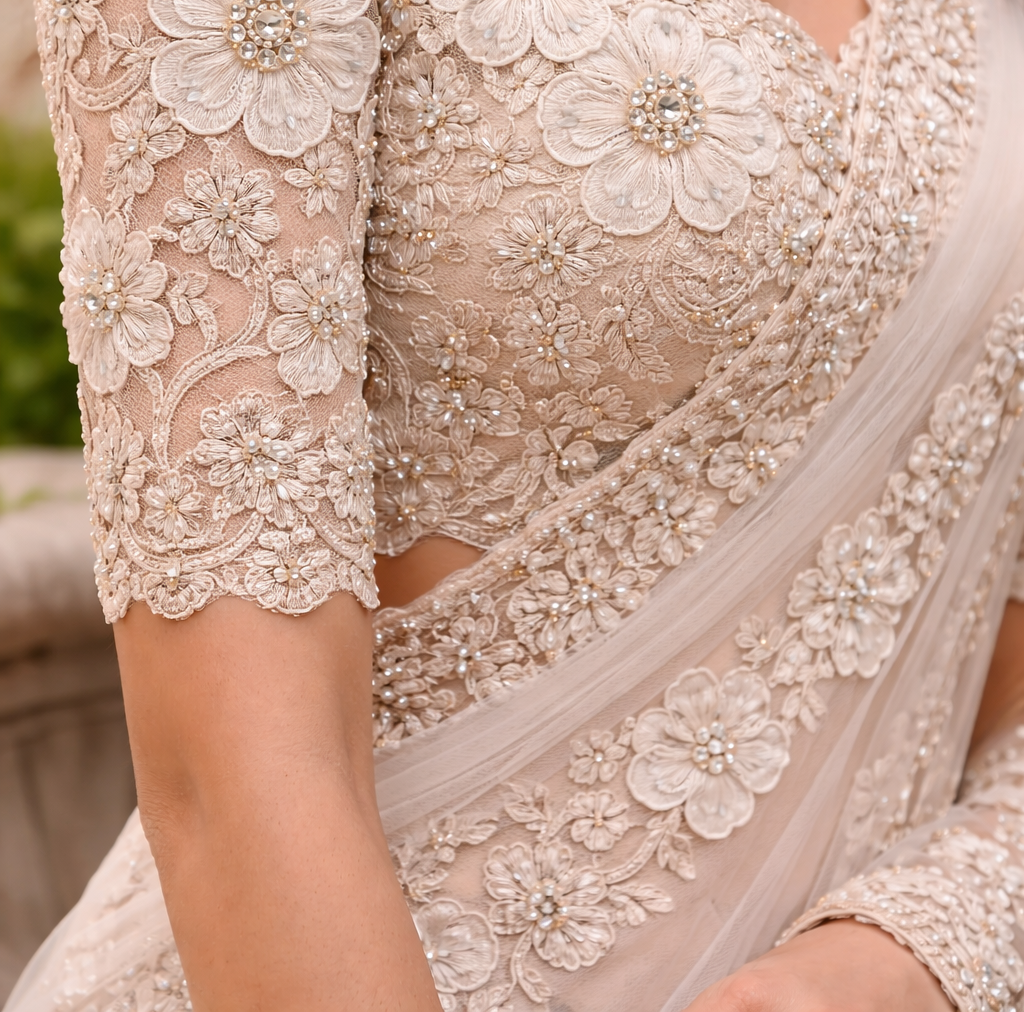
Bridal Wear: Lace, especially floral lace, is a quintessential fabric choice for wedding gowns. The delicate nature of floral lace adds elegance and romanticism to bridal wear. Wedding dresses often feature floral lace on the bodice, skirt, or veil, and lace borders are frequently used to embellish the hemline or sleeves.
-
Home Décor: Floral lace borders are frequently incorporated into home décor items such as curtains, cushions, and table runners. These lace trims provide a touch of refinement and vintage charm, making them ideal for creating a cozy, welcoming atmosphere. For example, lace tablecloths with floral patterns are commonly found in country-style or vintage-themed home designs.
-
Boutique Tailoring: High-end boutique designers often use floral lace material to create unique, custom pieces. Lace can be combined with other fabrics, like silk or satin, to add texture and visual interest to a design. Lace borders are used as accents on dresses, skirts, and blouses, transforming a simple garment into something special.
-
Fashion Accessories: Floral lace borders are also used to embellish accessories such as scarves, shawls, and handbags. Designers add lace borders to edges or straps to give the accessories a soft, intricate finish, often pairing them with other materials like leather or velvet for contrast.
FAQs About Floral Lace Material and Lace Border Design
-
What are the most common materials used to make floral lace?
Floral lace can be made from cotton, silk, polyester, and nylon. The choice of material depends on the desired look and feel—cotton is soft and breathable, silk offers a luxurious touch, and synthetic materials like polyester are durable and affordable. -
How can I care for floral lace garments?
Lace garments should be hand-washed or machine-washed on a gentle cycle with a mild detergent. Avoid wringing out the fabric, and instead, lay it flat to dry. Always follow the care instructions on the garment label to maintain the lace’s delicate texture. -
Can lace be used for everyday wear?
Yes, floral lace can be incorporated into everyday wear. Lace details, like lace trim or lace borders, are often used in blouses, skirts, and dresses to add a feminine touch. Modern lace materials are also designed to be durable enough for regular wear. -
How do designers incorporate lace borders into their designs?
Designers use lace borders to accentuate the edges of garments, such as the hems of skirts, sleeves, or necklines. Lace borders are also used in accessories like scarves and bags to add texture and visual interest. -
Is floral lace suitable for all occasions?
Floral lace is versatile and can be used for both formal and casual occasions. It is especially popular for weddings, formal events, and vintage-inspired fashion. However, lace can also be incorporated into casual wear, depending on the style and fabric used.
Conclusion
Floral lace material and lace border designs are more than just decorative elements—they bring timeless beauty and elegance to a wide variety of applications. From bridal wear to home decor, lace continues to make a lasting impression in fashion and design. With its intricate patterns, versatility in materials, and rich history, floral lace remains a beloved fabric in the world of textiles. Whether used in luxury garments or everyday wear, floral lace and lace borders are here to stay, offering a unique way to elevate designs and make any item feel special.