Introduction: The Common Problem Every Designer Faces
As a designer, you know the importance of making every piece stand out. Whether you're designing an elegant gown or a stylish uniform, the details matter. But here's the catch: How do you add visual interest without making the garment look too busy or overwhelming the main design?
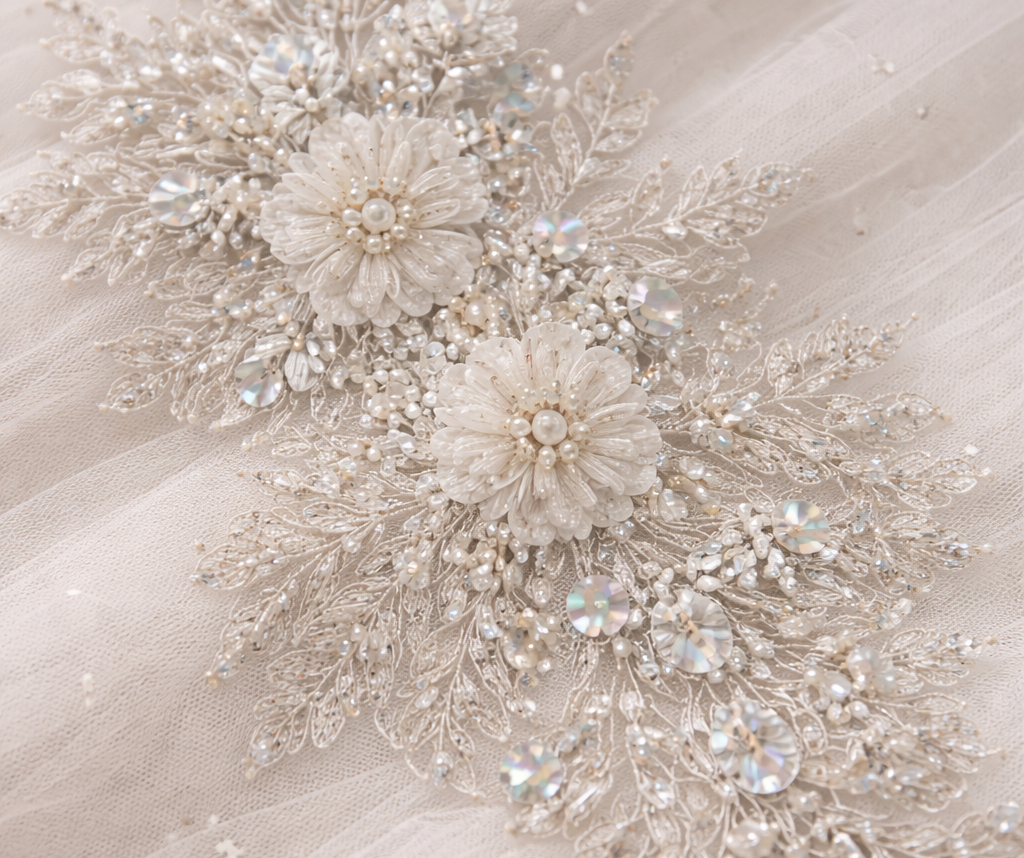
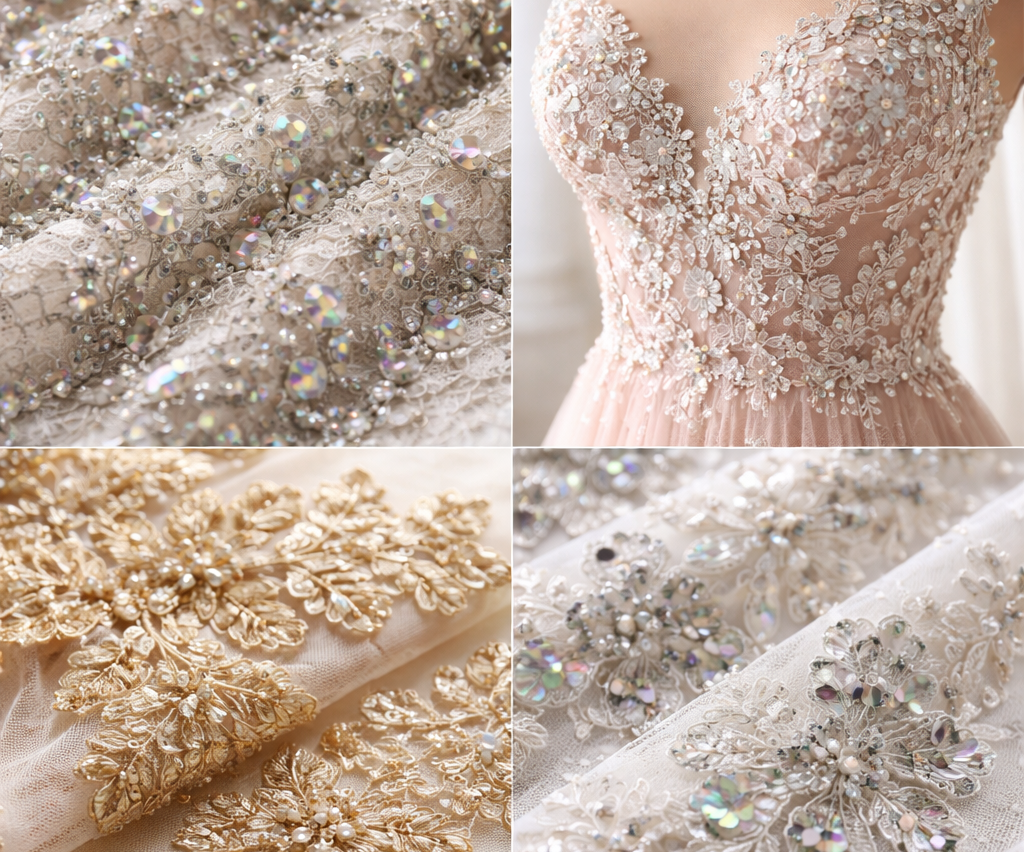
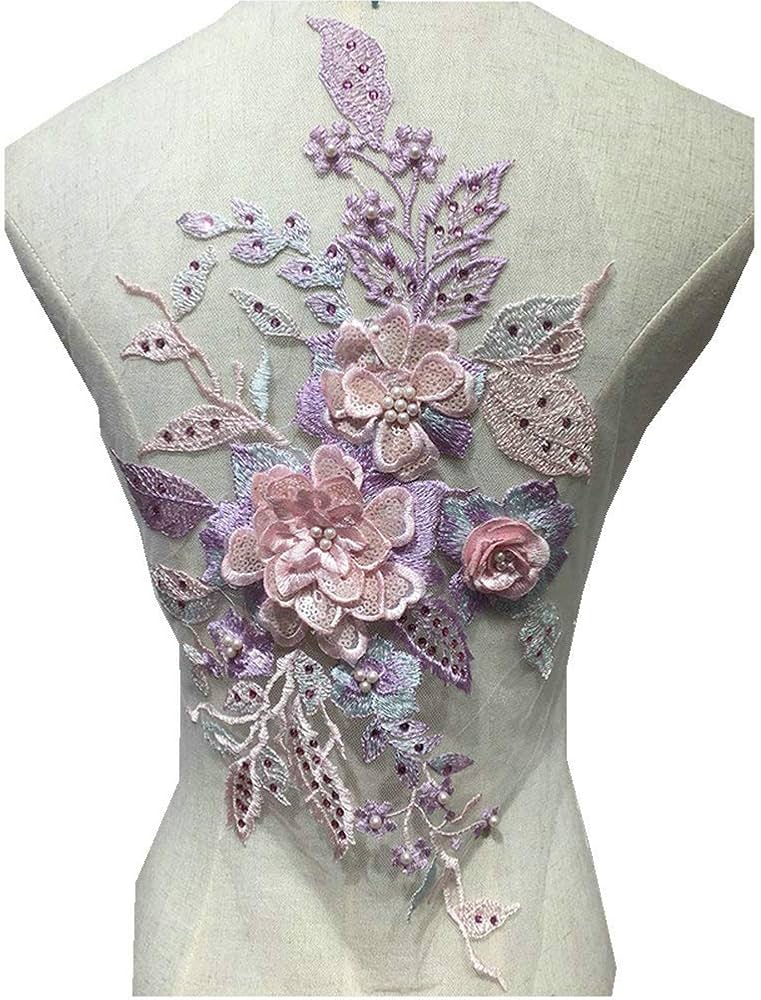
Corded embroidery, sequin appliques, rhinestone appliques, and trims are some of the most popular ways to achieve that ‘wow’ factor. They can enhance your garments, adding texture, shine, and dimensionality. However, working with these elements isn't always a walk in the park. Many designers struggle with incorporating these embellishments without losing the essence of the original design.
This is where the PAS (Problem-Agitate-Solution) framework comes into play. Let’s identify the problems you may face with these embellishments, amplify those challenges, and then provide practical solutions to overcome them.
Features: Understanding the Key Elements
1. Corded Embroidery
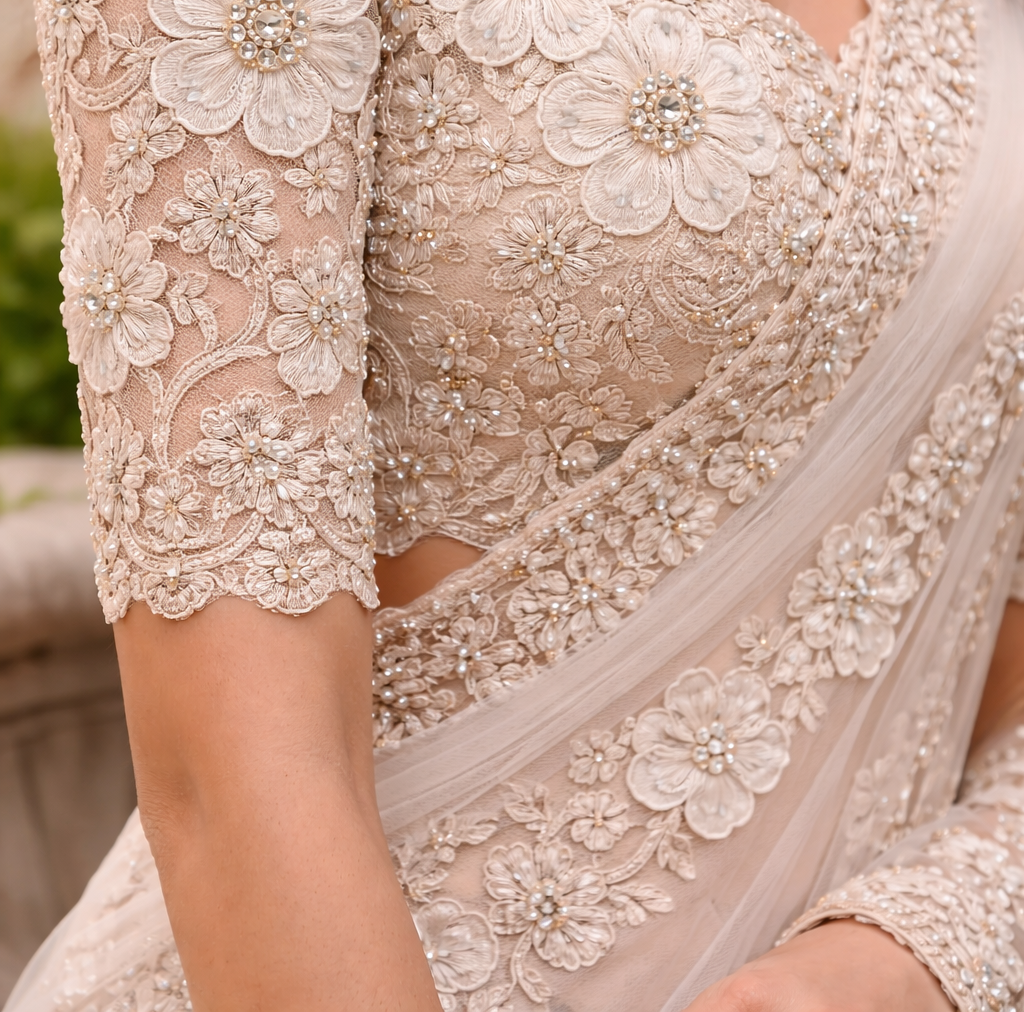
Corded embroidery involves stitching a decorative thread or cord onto fabric, adding depth and texture to the design. It's especially popular in high-fashion garments, ethnic wear, and even bridal collections.
Materials:
-
Cords: Typically, cotton, silk, polyester, or metallic threads are used for cords. They can be twisted, braided, or woven for different effects.
-
Threads: The choice of thread (silk, rayon, etc.) complements the cord and fabric to create a cohesive look.
Techniques:
-
Machine Embroidery: Often used for larger-scale projects, machine embroidery with cord allows for quick, precise stitching.
-
Hand Embroidery: For more delicate, intricate designs, hand-stitched cord embroidery offers unparalleled detail.
Uses:
-
Wedding gowns
-
High-end fashion
-
Ethnic wear (e.g., sarees, lehengas)
-
Home décor (like cushions or curtains)
Benefits:
-
Adds texture and depth
-
Provides a 3D effect that is visible from all angles
-
Suitable for high-visibility projects like couture fashion and bridalwear
2. Sequin Appliques
Sequin appliques involve stitching sequins onto a fabric to create patterns or designs. They can be standalone or part of a larger embroidery design.
Materials:
-
Sequins: Made from plastic, metal, or glass. Plastic sequins are more affordable, while glass sequins add a luxury touch.
-
Threads: Strong, durable threads (like nylon or polyester) are often used to stitch sequins onto fabric.
Techniques:
-
Flat Sequin Appliques: Sequins are sewn flat against the fabric for a shimmering effect.
-
Padded Sequin Appliques: These involve adding a layer of padding between the fabric and the sequins, giving the design more texture and dimension.
Uses:
-
Evening wear and party dresses
-
Performance costumes (ballet, theater)
-
Decorative home textiles (e.g., pillow covers, bedspreads)
Benefits:
-
Bright, shimmering effect
-
Elevates evening wear or costumes
-
Can be mixed with other embroidery techniques for a more luxurious feel
3. Rhinestone Appliques
Rhinestone appliques offer a more sophisticated touch, adding a sparkling, jewel-like effect to any garment. They are often used for upscale fashion or costumes that require extra glamour.
Materials:
-
Rhinestones: These can be made from glass, acrylic, or crystal, and come in various sizes and colors.
-
Backing Materials: Often iron-on, glue-based, or stitched directly onto the garment.
Techniques:
-
Hot-Fix Rhinestones: These have a heat-activated adhesive on the back and are applied with an iron.
-
Sewn Rhinestones: These rhinestones are stitched directly onto the fabric, allowing for more permanence and customization.
Uses:
-
Bridal and evening wear
-
Costumes (e.g., stage performances)
-
Accessories (like handbags and shoes)
Benefits:
-
Provides a high-end, luxurious sparkle
-
Customizable in terms of size, shape, and color
-
Perfect for creating focal points in designs
4. Trims
Trims encompass a wide variety of decorative elements like lace, piping, and tassels. They are added along the edges or seams of garments, offering a simple yet effective way to add flair.
Materials:
-
Lace: Cotton, nylon, or polyester
-
Piping: Satin, velvet, or grosgrain ribbon
-
Tassels and Fringes: Can be made from yarn, thread, or metallic threads
Techniques:
-
Sewing Trims: Simple stitches, either by hand or machine, can attach trims to fabric.
-
Gluing Trims: For quick fixes or temporary designs, fabric glue is an option.
Uses:
-
Skirts, blouses, and dresses
-
Decorative home textiles
-
Accessories like bags or hats
Benefits:
-
Easy way to add detail without overwhelming a design
-
Available in various styles to match different themes (vintage, boho, modern)
Real-World Examples/Case Studies
-
Indian Ethnic Wear (Sarees and Lehengas)
Brands like Sabyasachi and Anita Dongre are known for their intricate corded embroidery and sequin appliques on bridal sarees and lehengas. According to the Embroidery Trade Association, these techniques have seen a 15% increase in demand over the last five years in the Indian fashion market, particularly in bridal collections. -
Performance Costumes by Paddelaters
Paddelaters.com, which specializes in performance wear, reports a 20% increase in sales from their line of rhinestone-studded costumes. Customers specifically request rhinestone appliques for high-visibility events, like stage performances or pageants, where sparkle and glamour are essential. -
Western Evening Wear
High-end Western fashion brands use sequin and corded embroidery on their evening gowns. As per the Fashion & Textile Hub, 12% of total sales in the luxury market come from embellished evening wear, with a large portion of this attributed to sequins and rhinestones.
FAQs: Practical Tips for Designers
-
How do I prevent sequins from falling off my garment?
Use strong, durable threads like polyester or nylon. Additionally, iron-on sequins can be glued into place using fabric adhesive for extra security. -
Can I mix rhinestones with other embellishments?
Absolutely! Rhinestones pair well with corded embroidery or sequin appliques. Just make sure to keep the design balanced and don’t overdo it with embellishments. -
What type of fabric is best for corded embroidery?
Corded embroidery works best on heavier fabrics like satin, velvet, or organza, as these provide enough structure to hold the design in place. -
Are rhinestone appliques difficult to apply?
If you use hot-fix rhinestones, the application is simple. You only need an iron to activate the adhesive. For sewn rhinestones, stitching them onto the fabric can take more time and skill. -
How can I incorporate trims effectively without overcrowding my design?
Use trims sparingly, focusing on specific areas like hems or necklines. For example, a delicate lace trim on the hem of a dress can provide elegance without overwhelming the garment.
Conclusion: The Solution to Elevating Your Designs
Incorporating corded embroidery, sequin appliques, rhinestone appliques, and trims into your designs offers a world of creative possibilities. The challenge, however, lies in mastering these embellishments without compromising the overall aesthetic. By understanding the materials, techniques, and uses, you can create visually striking pieces that add depth, texture, and sparkle.
By following the practical solutions and examples shared in this post, you can elevate your designs and stand out in a competitive market. Embrace these embellishments, and watch your fashion creations shine brighter than ever.