Introduction: The Allure of Lace in Fashion and Decor
When you think of timeless elegance, lace often comes to mind. It's a material that has been a staple in the fashion industry for centuries, beloved for its delicate and intricate patterns that instantly add a touch of sophistication to any garment. Among the various types of lace, embroidered flower lace—or floral lace—is one of the most popular. From bridal gowns to home decor, floral lace is a material that can make any item feel more special. But for those unfamiliar with lace materials, it can be a little overwhelming to navigate the different types, their uses, and how to care for them. This blog post aims to clear up any confusion and provide you with all the essential details about embroidered flower lace, ensuring you can make informed decisions whether you’re designing a couture gown or sprucing up your living room.
Features: Understanding Embroidered Flower Lace
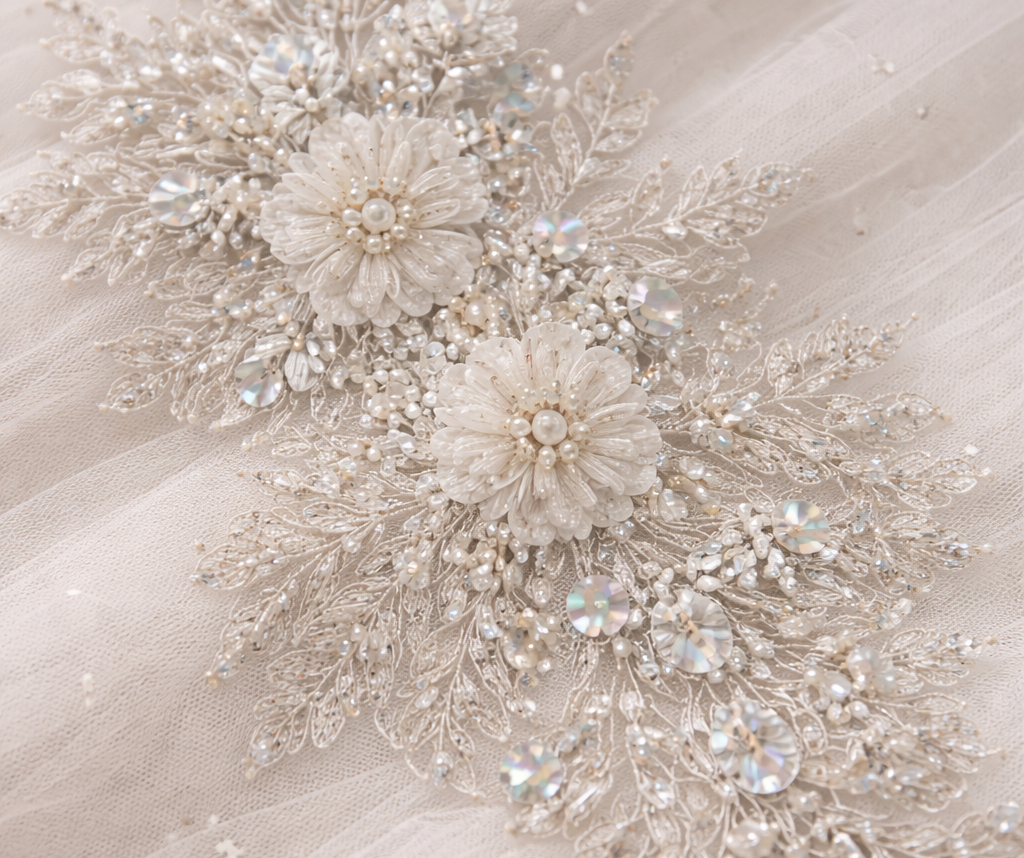
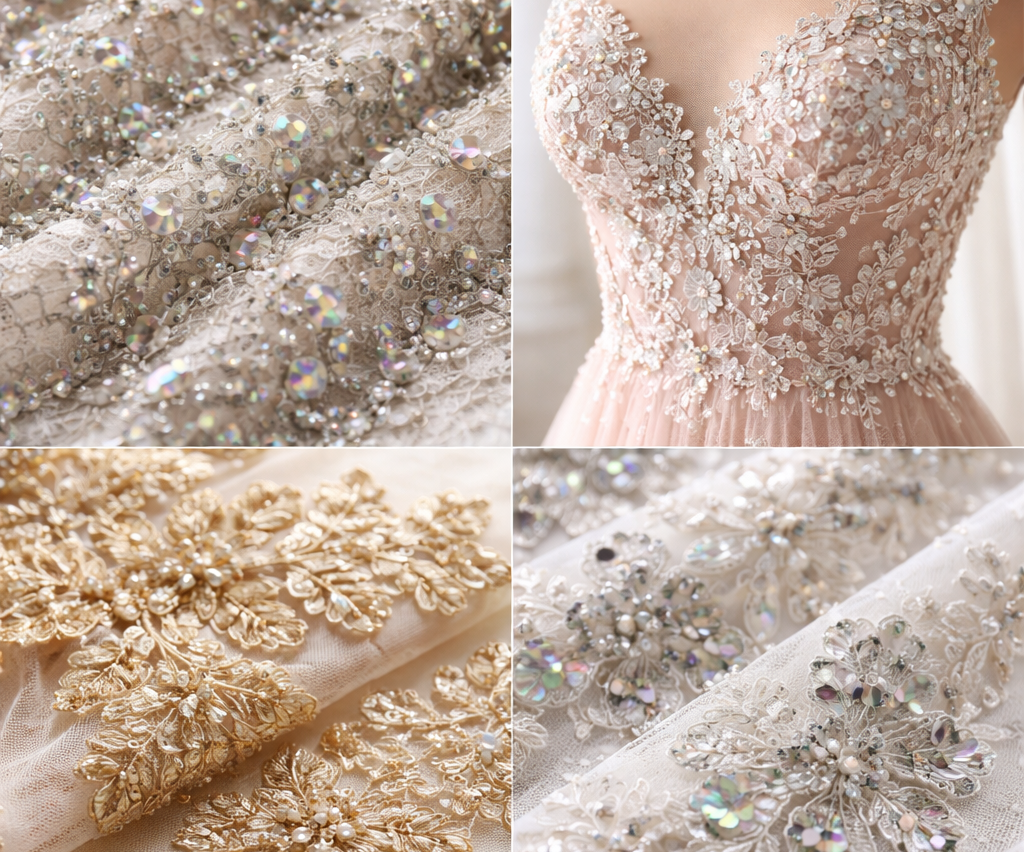
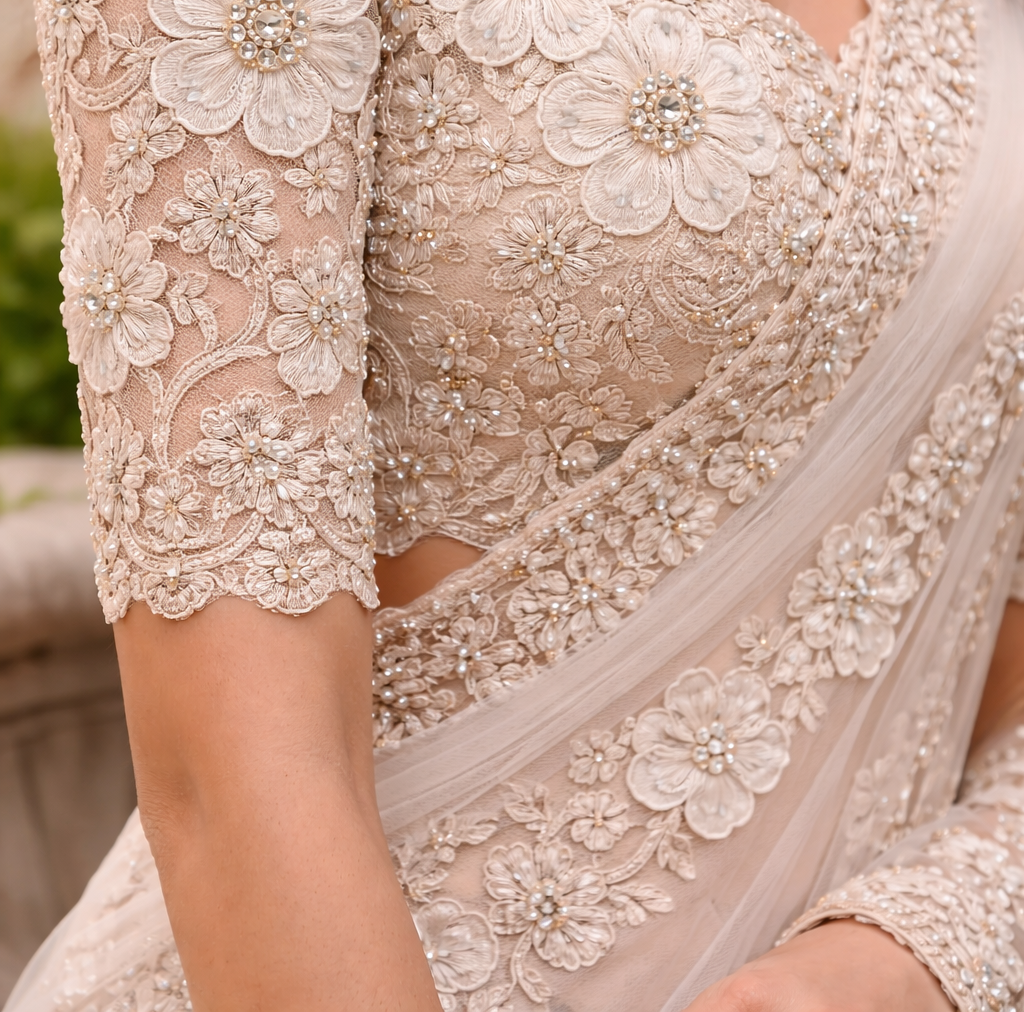
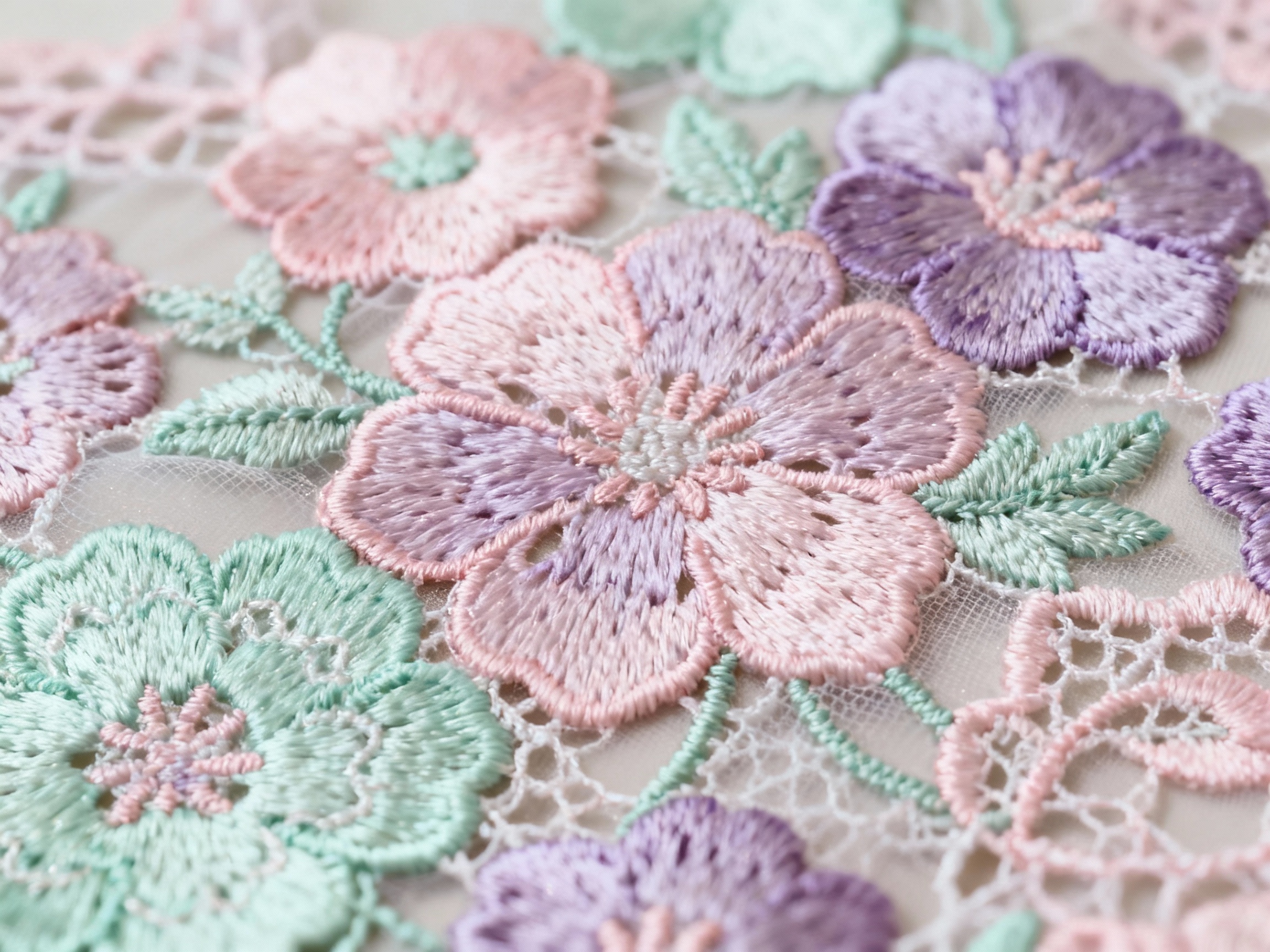
Embroidered floral lace is a fabric adorned with intricate floral patterns, often created using threadwork that is either machine or hand-embroidered onto a lace base. The flowers themselves can range from simple buds to complex, multi-layered blossoms, making floral lace versatile for both subtle and elaborate designs. Below are the key features of floral lace material:
-
Material Composition: Floral lace comes in a variety of fabrics, each offering different qualities:
-
Cotton: Cotton lace is the most traditional and one of the most popular lace types. It’s soft, breathable, and perfect for light, summery clothing or casual decor items. Cotton lace is also more affordable compared to other types, making it accessible for larger projects.
-
Polyester: Polyester floral lace is known for its durability, low-maintenance care, and wrinkle-resistant properties. It is less prone to shrinkage and retains its color over time, making it a favorite for fashion designers who want consistent results. It’s also a budget-friendly option compared to silk lace.
-
Silk: Silk floral lace is the epitome of luxury. It has a soft, smooth texture that feels divine against the skin. Silk lace adds a delicate sheen, perfect for bridal wear, evening gowns, and high-end fashion. However, silk lace requires delicate care and is typically more expensive than cotton or polyester options.
-
-
Width: The width of floral lace typically ranges from 1 inch to 3 inches, though it can be found in wider formats, especially when purchased in bulk. Narrow lace (1–2 inches) is typically used for smaller decorative accents, while wider lace (3 inches or more) is often used as a central design element for dresses, curtains, or other home decor items.
-
Durability: The durability of floral lace depends heavily on the material it’s made from:
-
Cotton lace tends to be the most delicate of the three, with a higher risk of fraying and wear over time, especially if washed improperly.
-
Polyester lace is more durable and less prone to damage from friction or moisture, making it a great choice for items that will experience a lot of wear.
-
Silk lace is less durable than polyester, and it’s much more prone to damage if not cared for properly. However, its luxurious feel and appearance often outweigh these durability concerns, particularly in garments that are worn only occasionally, such as evening dresses or bridal gowns.
-
-
Price Range: Floral lace is available in a wide price range, depending on the material and its intricacy. Generally, you can expect the following price ranges:
-
Cotton lace: $5–$15 per yard
-
Polyester lace: $10–$30 per yard
-
Silk lace: $30–$100+ per yard
-
The cost will also vary based on the intricacy of the embroidery, the brand, and the region in which the lace is produced. In general, the more delicate and luxurious the lace, the higher the price.
Pros & Cons: Real-World Feedback on Floral Lace
Embroidered floral lace has many fans, particularly in the fashion and home decor industries. However, like any material, it comes with both advantages and disadvantages. Let’s explore the pros and cons based on real user feedback and industry data.
Pros:
-
Elegance and Intricacy: Floral lace is an elegant choice for any garment or decor. The embroidered flowers add a level of sophistication that can’t be replicated by simpler fabrics. This makes it especially popular for bridal wear, evening gowns, and other special occasions.
-
Versatility: While floral lace is often associated with bridal wear, it’s extremely versatile and can be used in a variety of applications, from casual dresses to home decor items like tablecloths, curtains, and pillow covers.
-
Variety of Designs: From simple daisy patterns to intricate roses and vines, floral lace offers endless design possibilities. The intricate patterns can be used to add visual interest to garments, or as a statement piece in home decor.
-
Comfort: Lace materials, especially cotton and silk, are lightweight and breathable, making them comfortable to wear in warm weather. They can be incorporated into casual and formal clothing alike.
Cons:
-
Fragility: While beautiful, lace can be fragile. It is prone to fraying, especially if it’s not handled with care. Some materials, like cotton, can become more susceptible to wear and tear after frequent washing.
-
Special Care: Depending on the material, floral lace may require special care. For example, silk lace should always be hand-washed, and cotton lace should be treated gently to avoid shrinking or losing its shape.
-
Cost: Silk floral lace, in particular, can be quite expensive, making it inaccessible for larger projects or those working with a limited budget. Polyester lace is more affordable but may not provide the same luxurious feel as silk.
-
Limited Stretch: Floral lace, especially when made from natural fibers like cotton and silk, typically has little to no stretch. This can be a limiting factor when designing clothing that requires some flexibility or movement.
FAQs: Common Questions About Floral Lace
-
How do I care for embroidered flower lace?
-
Cotton Lace: Cotton lace can usually be machine washed on a gentle cycle, though hand washing is recommended to preserve its texture. Always air dry cotton lace.
-
Polyester Lace: Polyester lace is durable and machine washable. However, to maintain its appearance, avoid using high heat when drying, and opt for air drying when possible.
-
Silk Lace: Silk lace should only be hand washed with a mild detergent, and it should be air-dried away from direct sunlight.
-
-
Can floral lace be used in both fashion and home decor?
-
Yes! Floral lace is incredibly versatile and can be used in both fashion (for dresses, skirts, blouses, and bridal wear) and home decor (for curtains, tablecloths, pillowcases, and even as embellishment for furniture).
-
-
Is floral lace suitable for beginners to sew with?
-
Yes, floral lace is a great material for beginners, especially if you start with polyester lace, which is easier to manage than delicate silk. Be sure to use the right sewing machine needles and settings to avoid damaging the lace.
-
-
Can floral lace be dyed or altered?
-
Yes, floral lace can often be dyed. Cotton and polyester lace take dye well, while silk lace may need special care when dyeing. However, dyeing lace could alter the appearance of the embroidery, so it’s important to test a small piece first.
-
-
Where can I buy high-quality embroidered floral lace?
-
Floral lace can be found in fabric stores both online and in person. Look for fabric stores with good reviews and a clear return policy. You can also find lace on e-commerce platforms like Etsy, where independent sellers may offer unique, handcrafted options.
-
Real-World Example: A Designer’s Love for Floral Lace
A prime example of floral lace used in high-end fashion is the iconic Monique Lhuillier wedding dresses. Known for creating romantic and intricate bridal gowns, Monique Lhuillier often uses floral lace as a primary element in her designs. In her Spring 2019 collection, for example, she featured a number of gowns with floral lace appliqué, using the delicate fabric to create both structured and flowing designs. The combination of floral lace with soft tulle and satin created gowns that were both modern and timeless, appealing to brides looking for both tradition and contemporary style.
This use of floral lace illustrates its versatility. Not only can it create intricate patterns that elevate a design, but it also lends itself well to modern interpretations of classic looks. It’s a material that can blend into any fashion aesthetic, whether you’re aiming for vintage elegance or modern chic.
Conclusion: Why Floral Lace is a Timeless Choice
Floral lace—whether in cotton, polyester, or silk—is a versatile, elegant material that adds a touch of refinement to any project. From bridal wear to home decor, its uses are vast, and the potential for creativity is endless. While it does come with some care and durability considerations, it’s well worth the effort for the beautiful, timeless results it yields. Whether you’re a fashion designer, DIY enthusiast, or home decor expert, floral lace is sure to enhance your designs with a sense of grace and luxury.
So next time you’re deciding on a fabric for your next project, consider the delicate beauty of embroidered flower lace. With the right care and application, it can transform anything—from a simple dress to an extravagant home decor item—into a masterpiece.