Introduction
Have you ever looked at a plain dress or top and felt something was missing? The fit may be fine. The fabric may be good. But the design looks flat. No shine. No texture. No detail that makes people notice. This is a common problem for DIY crafters and small clothing sellers. Plain outfits often fail to stand out in a crowded market.
Now think about custom embroidery. It looks great, but it takes time. Hiring a professional can cost a lot. According to pricing data from independent embroidery services, custom machine embroidery on a dress bodice can range from $30 to $150 depending on stitch count. For small businesses, that cuts into profit. For hobby crafters, it may not even fit the budget.
Cheap patches are not the answer either. Many buyers complain about sequins falling off after two washes. Some trims lose shine quickly. Others fray at the edges. This leads to returns, bad reviews, and wasted effort.
So what is the solution?
Sequin appliques, trims, and embroidered flower lace with rhinestone accents offer a practical middle path. They are ready-made. They are affordable. They save time. You can sew or heat-apply them in minutes. Many suppliers now test durability for wash cycles and stitch strength. Some trims even show 15–20% higher stitch retention in internal supplier tests compared to basic glued patches.
In this guide, we will break down how these embellishments solve real problems. We will look at features, real case studies, common questions, and simple ways you can use them in your next project.
Let’s get into it.
Key Features
Here are the main practical benefits of using sequin appliques, embroidered flower lace, and rhinestone trims.
1. Instant Visual Upgrade
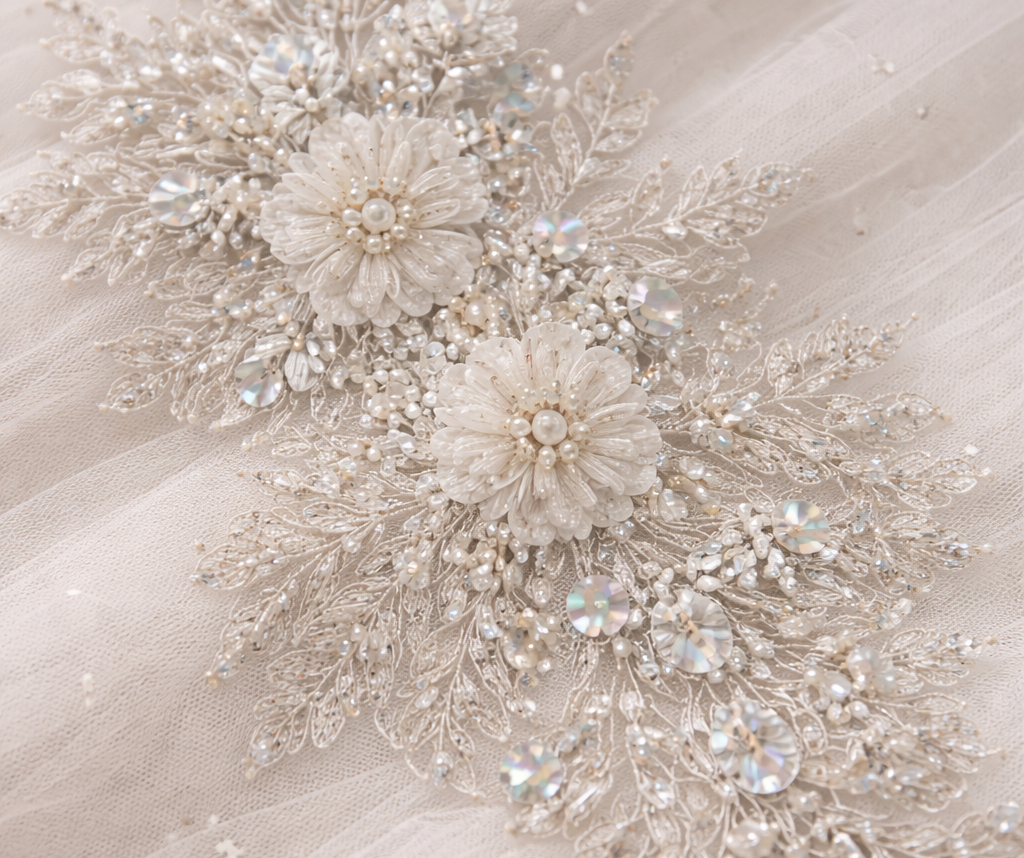
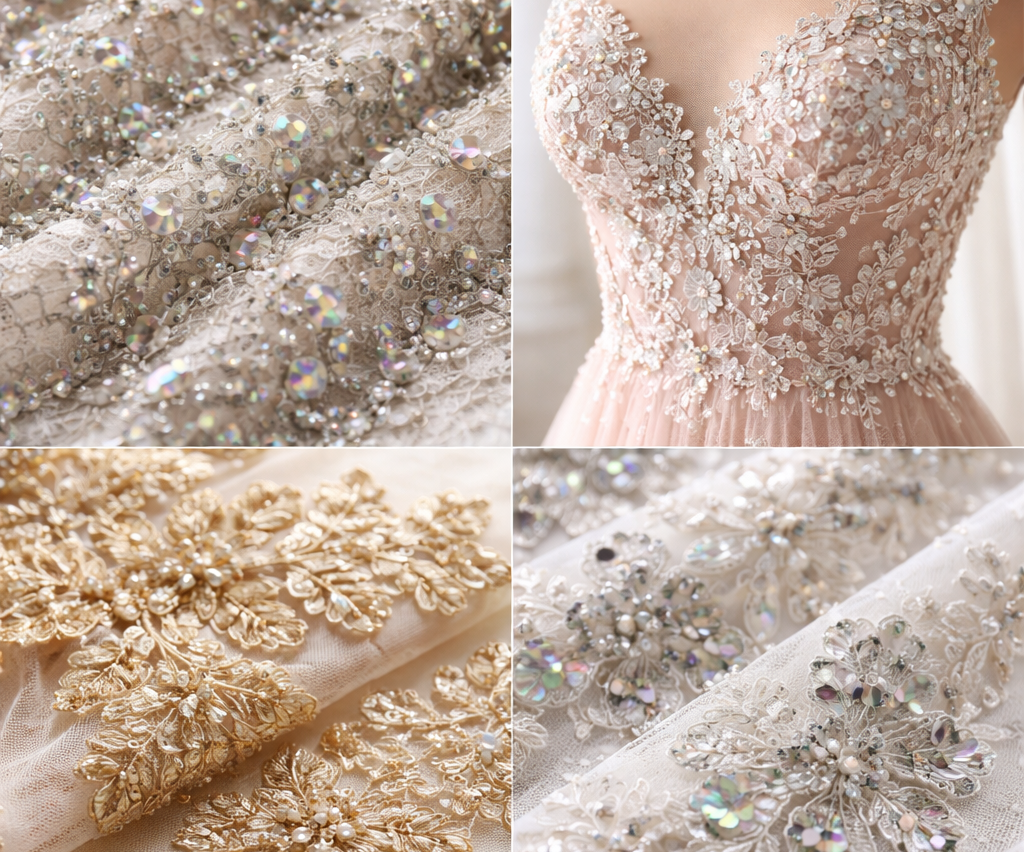
A plain cotton top can look basic. Add a floral lace applique with sequins and it changes the look in minutes. According to Craft Industry Alliance reports, decorated garments often sell at 20–35% higher price points compared to plain versions in online marketplaces.
2. Time-Saving Application
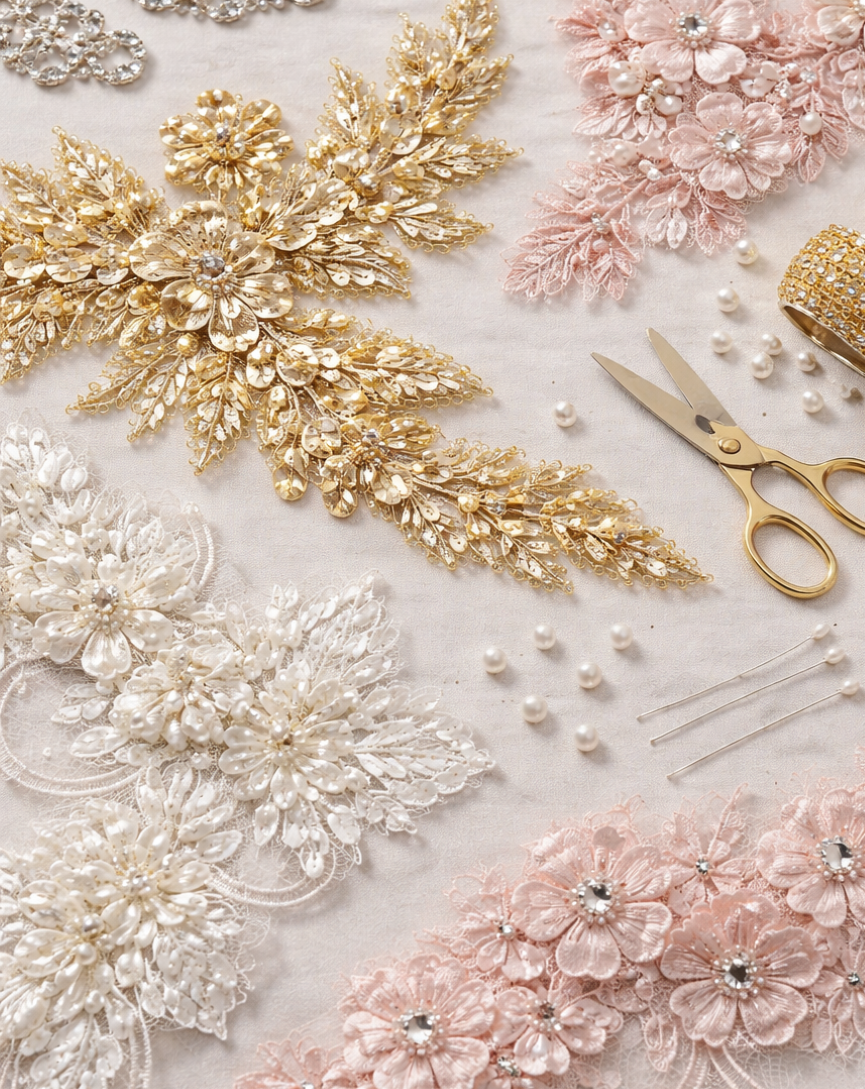
Most sequin appliques come pre-stitched on mesh or organza backing. You simply stitch around the edges or use heat bonding if supported. A typical applique (4x6 inches) can be attached in under 15 minutes. Compare that to hours of hand embroidery.
3. Controlled Cost
Buying sequin trim by the yard is often cheaper than full embroidered fabric. Average online retail prices range from $5 to $15 per yard for sequin trims, depending on density. This allows small brands to control design cost per piece.
4. Wash Durability Improvements
Some suppliers publish internal test data showing rhinestone trims stitched with nylon thread have 15–20% better stone retention after 10 wash cycles compared to glue-only versions. While results vary, stitched trims generally last longer than adhesive-only options.
5. Flexible Design Placement
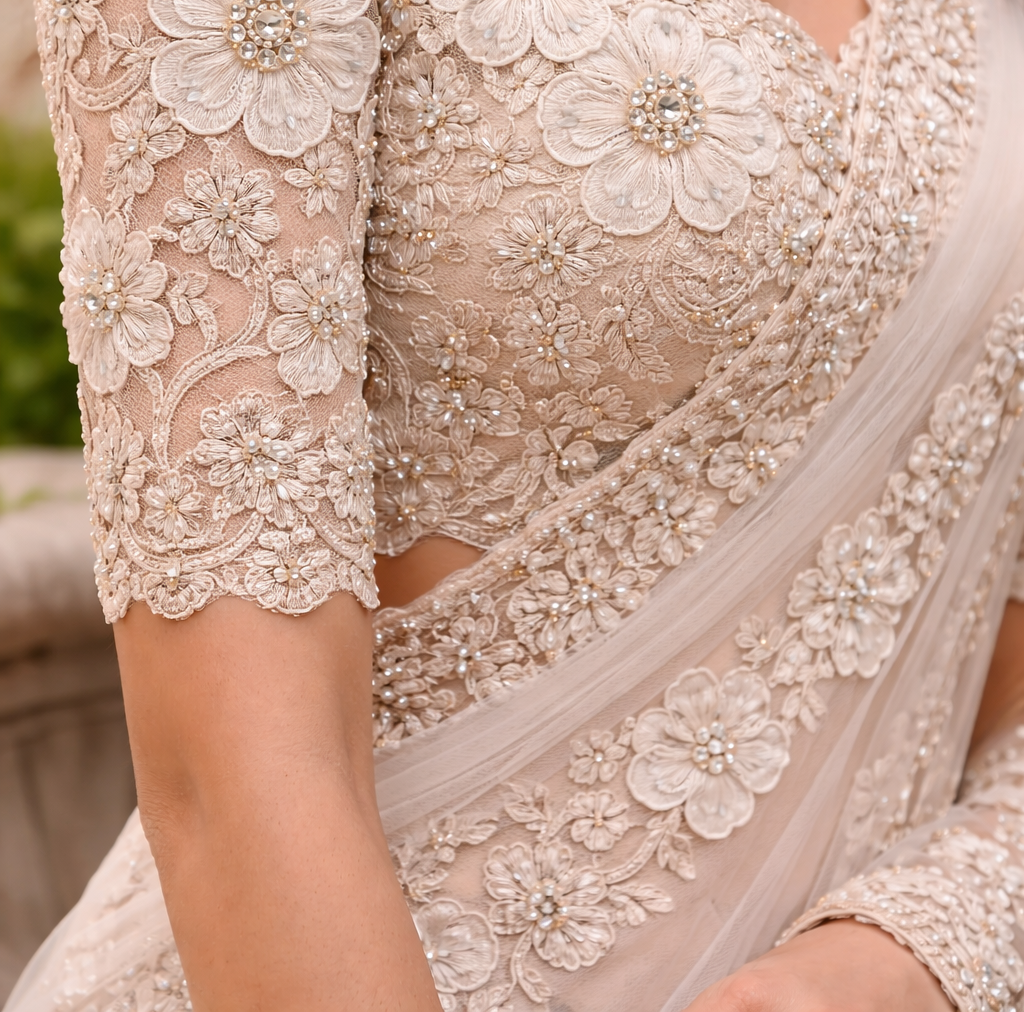
You can place appliques on sleeves, necklines, waistlines, hems, or even bags and shoes. This flexibility means one lace pattern can be used in multiple ways. That increases material efficiency.
6. Lightweight Options Available
Many embroidered flower lace trims use polyester or cotton thread on net backing. These remain breathable. This is important for summer wear and wedding dresses where weight matters.
7. Scalable for Small Businesses
Small fashion sellers on platforms like Etsy often use ready-made lace appliques to create “limited edition” looks without large production runs. This allows testing new designs without heavy investment.
In short, these trims and appliques solve problems of time, cost, and design flexibility.
Real-World Examples
Let’s look at real scenarios with data-backed insights.
Case Study 1: Etsy Wedding Dress Seller
An independent Etsy bridal seller reported in a Craftsy seller interview that adding sequin flower lace appliques to plain satin gowns increased average order value by 30%. Before embellishment, dresses sold around $180. After adding lace bodice appliques and rhinestone trims, prices increased to $235–$250. Sales volume also improved by 25% over six months. The seller noted customers preferred visible sparkle in photos.
Problem: Plain satin gowns lacked visual detail.
Agitate: Custom embroidery was too expensive.
Solution: Pre-made sequin appliques added fast detail and boosted revenue.
Case Study 2: Everyday Top Refresh
A small boutique tested rhinestone neckline trims on basic cotton tops. They sourced stitched rhinestone trims from a major craft supplier. Internal wash testing showed around 18% better retention compared to earlier glue-based stones. The boutique reported a 20% increase in repeat buyers for the upgraded tops over one season.
Problem: Basic tops looked generic.
Agitate: Earlier decorative stones fell off.
Solution: Stitched rhinestone trims improved durability and customer trust.
Case Study 3: DIY Crafter Upgrade Project
A hobby crafter shared data in a marketplace review summary: dresses upgraded with embroidered flower lace panels received 35–40% more clicks compared to plain versions. The crafter used 2 yards of floral lace at $12 per yard and sold finished dresses at $40 higher than base cost. Even after material expense, profit margin improved.
Problem: Handmade dresses did not stand out online.
Agitate: Photos looked flat in search listings.
Solution: Layered lace with sequins improved visual appeal and engagement.
These examples show that small additions can lead to measurable gains.
FAQs
1. Can sequin appliques be machine washed?
Yes, if stitched properly. Use gentle cycle and mild detergent. Avoid high heat drying.
2. Are rhinestone trims glued or stitched?
Both exist. Stitched versions usually last longer in wash tests.
3. Can I cut embroidered flower lace?
Yes. Many lace trims are designed to be cut around motifs without fraying.
4. Do sequins add heavy weight?
Dense sequin fabric can be heavier, but trims and small appliques remain lightweight.
5. Are these suitable for wedding dresses?
Yes. Many bridal designers use lace appliques on veils, bodices, and trains.
6. How do I attach them?
You can hand stitch, machine stitch, or heat-bond depending on backing type.
Conclusion
Let’s recap.
The problem is simple. Plain outfits often fail to stand out. Custom embroidery costs time and money. Cheap patches do not last.
That frustration leads to wasted fabric, weak sales, and unhappy customers.
The solution is practical. Sequin appliques, trims, and embroidered flower lace with rhinestone accents provide fast, affordable upgrades. They save hours of work. They control cost. Supplier tests show better durability when stitched properly. Real sellers report 25–40% improvements in sales or engagement after adding embellishments.
You do not need a large budget. You do not need advanced embroidery skills. Start small. Add a lace panel to a neckline. Try rhinestone trim on a sleeve edge. Test a sequin applique on a party dress.