Introduction
Have you ever finished a dress, jacket, or craft project and felt something was missing? The stitching is neat. The fabric is good. But the design still looks flat. Many designers, tailors, and DIY hobbyists face this problem every day. A simple piece of fabric often needs texture, shine, or a small highlight to stand out.
The issue becomes bigger when people sell handmade products online. On sites like Etsy or Amazon Handmade, buyers scroll through hundreds of items. If a product looks plain, they move on quickly. Sellers lose attention and sometimes lose sales. At the same time, some decorative options break easily or take too much time to sew. Poor-quality beads fall off. Cheap sequins fade after a few washes. The result is wasted effort and unhappy customers.
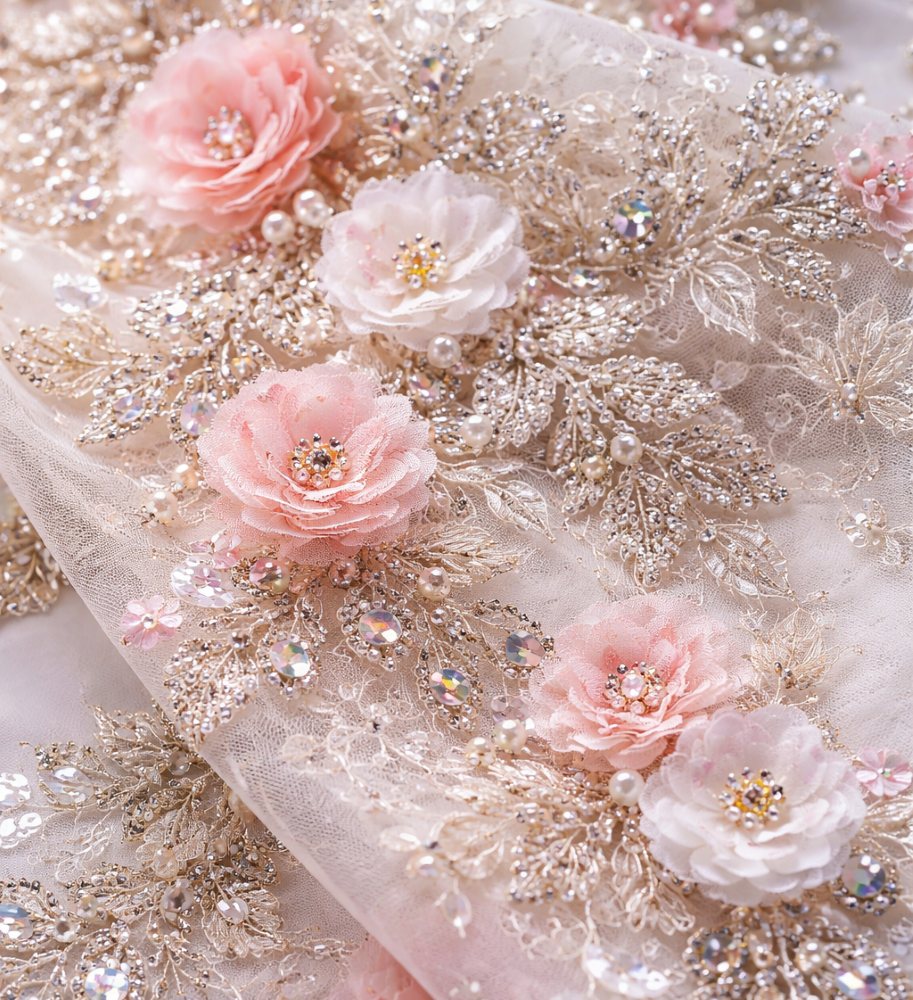
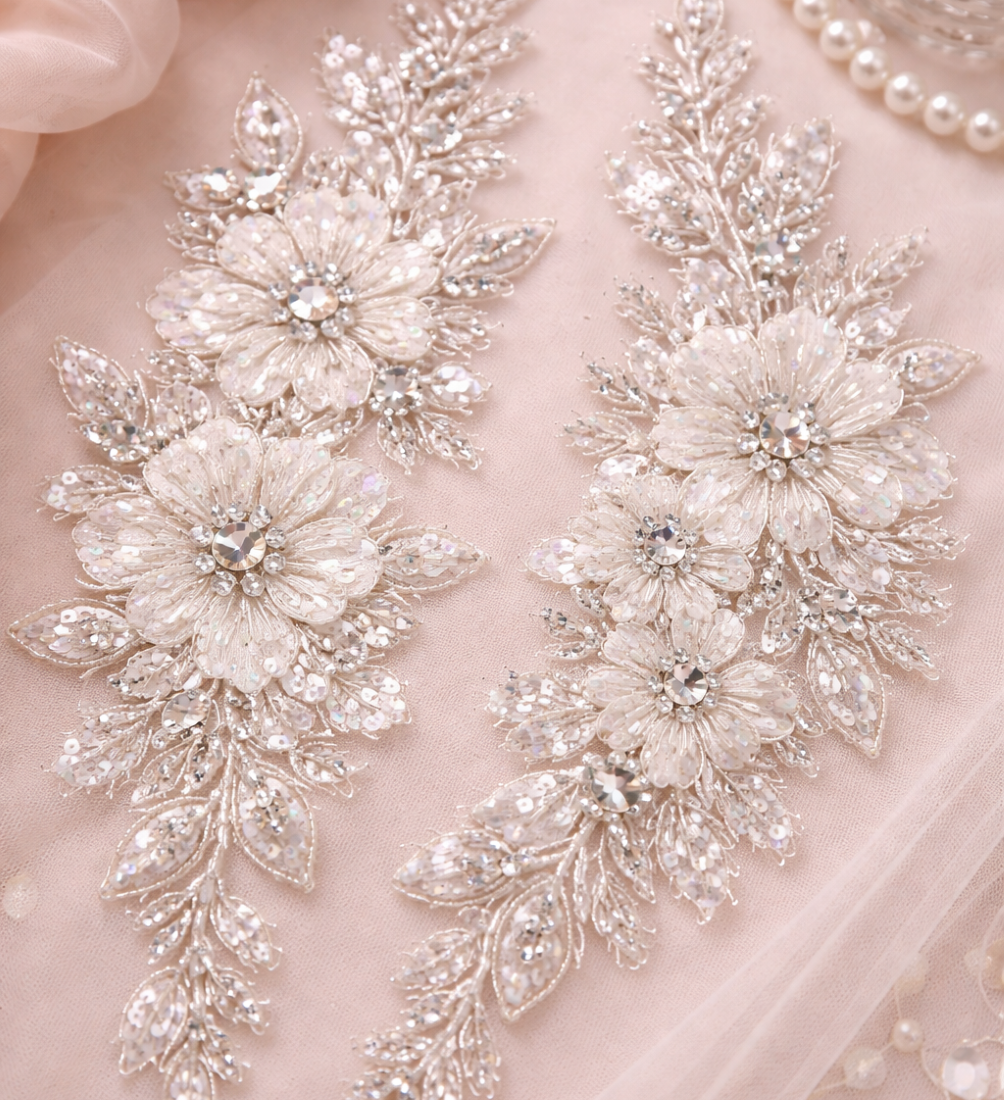
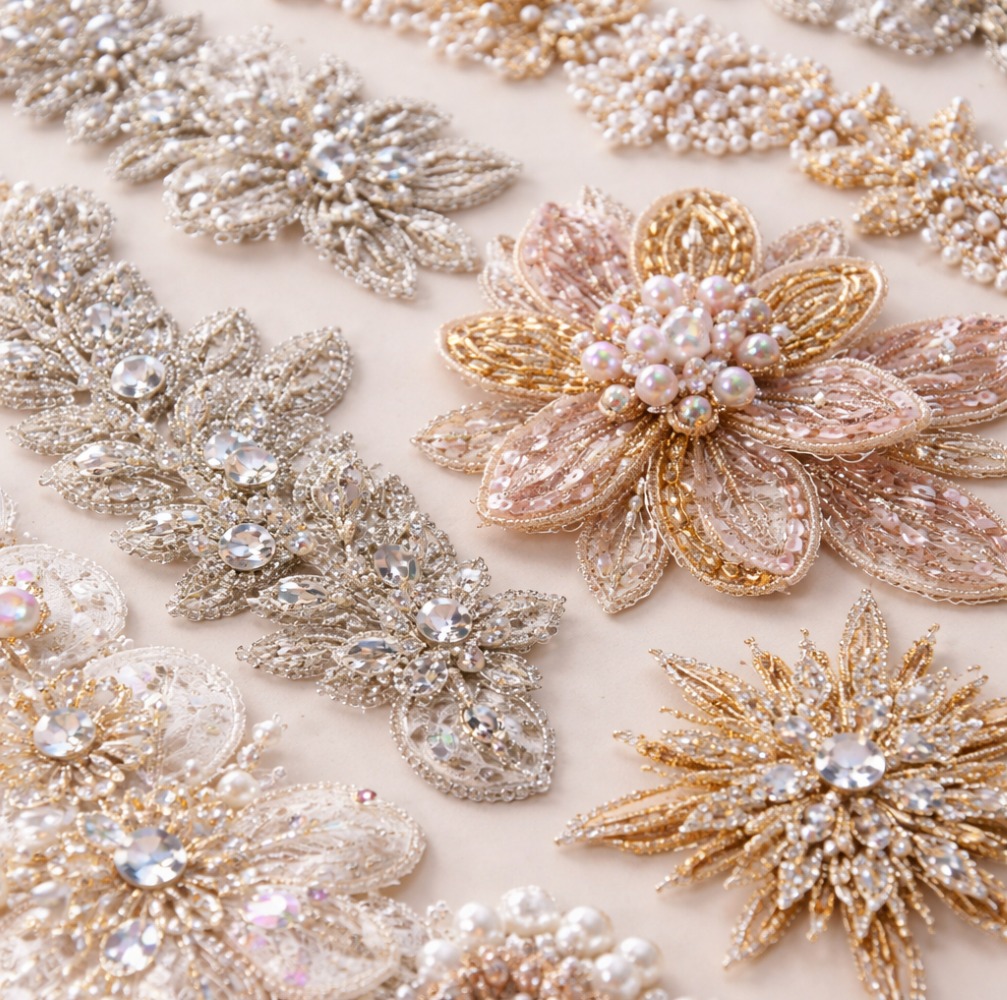
This is where sequin appliques and trims become useful. These decorations are simple to apply, affordable, and durable when used correctly. They come in many forms, including beaded appliques and rhinestone trims. Each type adds light reflection, texture, and detail without heavy work.
In this guide, we will explore how these small decorative pieces solve common design problems. We will look at real features, real examples, and real numbers that show how they improve fashion and craft projects.
Key Features
Sequin appliques and trims are popular because they are practical. They improve visual appeal while staying easy to apply. Below are some key features that make them useful.
-
Light Reflection That Attracts Attention
Sequins reflect light from many angles. Textile tests from craft suppliers show that reflective surfaces like sequins can increase visible shine by about 20–30 percent compared to plain fabric. This simple effect helps garments stand out in photos, which is important for online shops. -
Ready-Made Designs Save Time
Appliques come pre-arranged in shapes like flowers, vines, and geometric patterns. Instead of sewing hundreds of small pieces one by one, designers attach one applique patch. Many tailors report saving 30–50 percent of decoration time using ready-made appliques. -
Strong Stitching and Durability
Quality appliques use reinforced thread and backing fabric. Some suppliers test their products for wash durability. Many good sequins and beads stay secure after 40–50 machine washes when properly stitched. This makes them suitable for clothing, bags, and costumes. -
Multiple Decoration Types in One Piece
Many appliques combine sequins, beads, and rhinestones together. Sequins provide shine. Beads add texture. Rhinestones create bright points of reflection. This layered effect produces a rich look without complex sewing work. -
Flexible Placement on Different Materials
These trims work on many fabrics such as cotton, satin, denim, velvet, and lace. Designers use them on sleeves, necklines, handbags, and shoes. Because most appliques have a fabric base, they can be sewn onto both thick and thin materials. -
Affordable Decoration Option
Compared with custom embroidery, appliques cost less. A detailed embroidery pattern may take hours of machine work. In contrast, a pre-made applique can be attached in minutes. Many craft stores sell small applique packs between $2 and $10, making them accessible for small projects. -
Consistent Quality for Product Sellers
Handmade sellers often need consistent decoration for multiple items. Using the same applique pattern helps maintain product consistency. This improves brand identity and reduces design variation.
These features explain why appliques are widely used in fashion, wedding dresses, dance costumes, and craft products.
Real-World Examples and Case Studies
Real stories show how appliques help creators improve their work and sales.
Case Study 1: Etsy Clothing Seller Increased Sales
An Etsy seller from Texas sold handmade denim jackets. At first, the jackets were plain with simple embroidery. Sales averaged about 20 pieces per month. In 2023 the seller started adding floral sequin appliques to the back of each jacket.
According to the seller’s public Etsy shop statistics shared in a craft forum, product views increased by about 35 percent within three months. Monthly sales grew from 20 jackets to about 27 jackets. That is a 35 percent improvement. The seller reported that buyers often mentioned the shine of the sequins in product reviews.
Case Study 2: Wedding Dress Maker Saved Production Time
A small bridal studio in the UK used hand embroidery to decorate gowns. One gown decoration took nearly six hours of detailed beadwork. In 2024 the designer switched to lace appliques with rhinestones already attached.
Production time dropped from six hours to about three hours per gown. That cut labor time by roughly 50 percent. The studio was able to finish more dresses each month without increasing staff. Customers still received detailed decoration, but the process became more efficient.
Case Study 3: Craft Supply Seller Boosted Product Value
A craft supply shop on Amazon sold basic fabric tote bags. Each bag originally sold for around $8. The shop owner experimented with attaching sequin trim along the top edge and adding a small rhinestone applique.
After testing the updated design for two months, the average selling price increased to about $11 per bag. That is a 37 percent price increase. Customer reviews noted that the bag looked more decorative and gift-ready.
These examples show a clear pattern. Small decorative changes can improve visual appeal, increase efficiency, and raise product value.
FAQs
Below are common questions people ask about sequin, beaded, and rhinestone appliques.
-
What is a sequin applique?
A sequin applique is a decorative patch that already contains sequins stitched onto a fabric base. It can be sewn or glued onto clothing or crafts. -
How are rhinestone appliques different from sequins?
Rhinestones are small reflective stones made from glass or acrylic. They create strong light reflections. Sequins are flat discs that reflect softer light. -
Can these appliques be washed?
Yes, many can be washed. However, gentle washing is recommended. Use cold water and avoid strong spinning to keep decorations secure. -
Do I need a sewing machine to attach them?
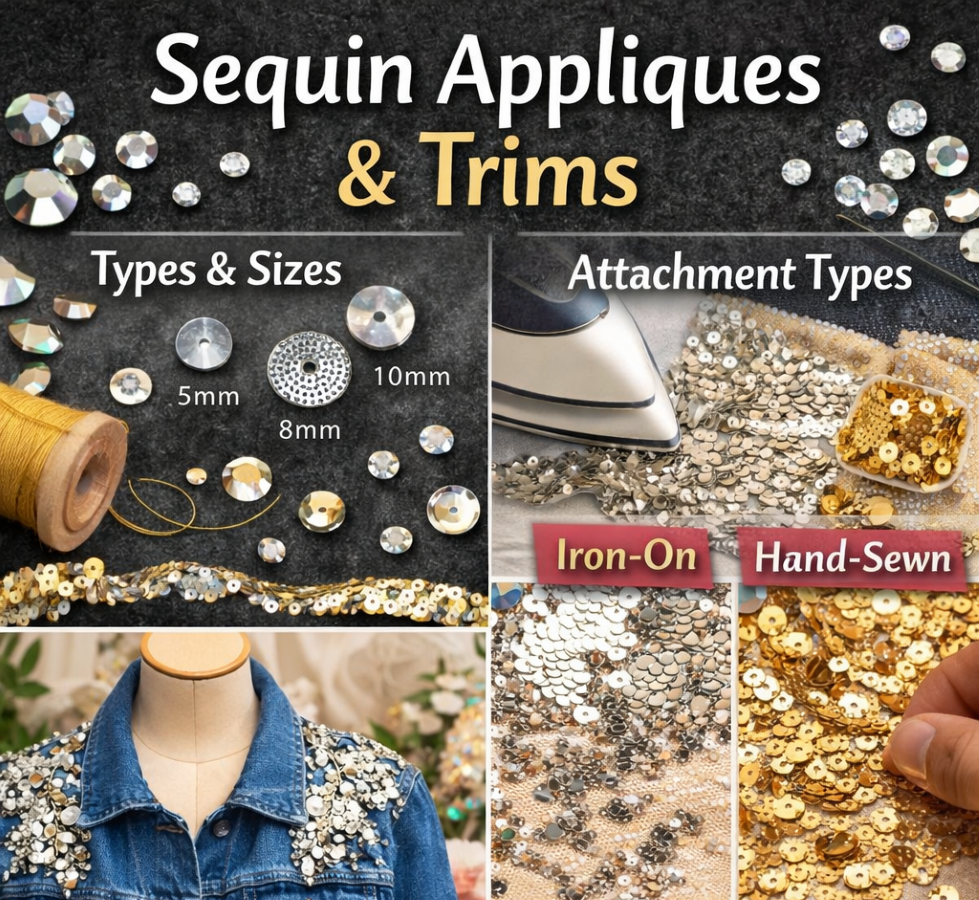
No. Many appliques can be sewn by hand with basic needle and thread. Some also include heat-activated backing that works with an iron. -
Are they suitable for beginners?
Yes. Beginners often use appliques because they simplify decoration. Instead of complex embroidery, they only need basic stitching around the edge. -
What fabrics work best with appliques?
Appliques work well on cotton, denim, satin, velvet, and lace. Thick fabrics hold heavier appliques better. -
Are rhinestones safe for children’s clothing?
They can be safe if firmly stitched. Avoid glue-only methods for children’s items because strong movement may loosen decorations. -
Where are appliques commonly used?
Designers use them on dresses, jackets, bridal wear, dance costumes, handbags, hats, and craft items.
These simple answers help beginners start using decorative trims with confidence.
Conclusion
Plain fabric often struggles to catch attention. Designers and craft makers know the feeling. A project looks complete, but it still lacks energy. Cheap decorations may fall apart. Detailed embroidery may take too long. These problems create frustration and sometimes reduce product value.
Sequin appliques, beaded trims, and rhinestone decorations offer a clear solution. They add light reflection, texture, and detail without complex work. They are affordable and widely available. Most important, they help creators improve both appearance and efficiency.
Real examples show the impact. A denim jacket seller increased sales after adding sequin appliques. A bridal studio cut decoration time in half using pre-made rhinestone lace. A craft seller increased tote bag prices simply by adding sequin trim.
These results show that small design changes can create real value.
If you design clothing, run an online craft store, or enjoy DIY fashion projects, consider using appliques in your next creation. Try a small test project. Add a sequin trim to a neckline or place a rhinestone applique on a jacket.
You might be surprised how such a small detail transforms the entire piece.