Introduction
As a designer, you've likely faced it: the frustration of creating a beautiful garment or custom product, only to have it lose its appeal after a few wears. Designs that look fantastic on the drawing board can fade or fray when exposed to the wear and tear of everyday life. Whether it’s the delicate fabric of custom uniforms or a chic fashion item, the struggle to maintain design durability is real.
You may also have encountered issues with the application process—misaligned rhinestones, sequins falling off, or the corded embroidery not holding up during washing. All these hiccups add to production delays, higher costs, and less-than-satisfied customers. Sound familiar? Don’t worry; you’re not alone.
In this post, we’ll walk through the problems designers face with corded embroidery, rhinestones, and sequin appliques. Then, we’ll provide practical, actionable solutions that can improve both the durability of your designs and your production efficiency. Let’s dig in!
Features
Corded Embroidery
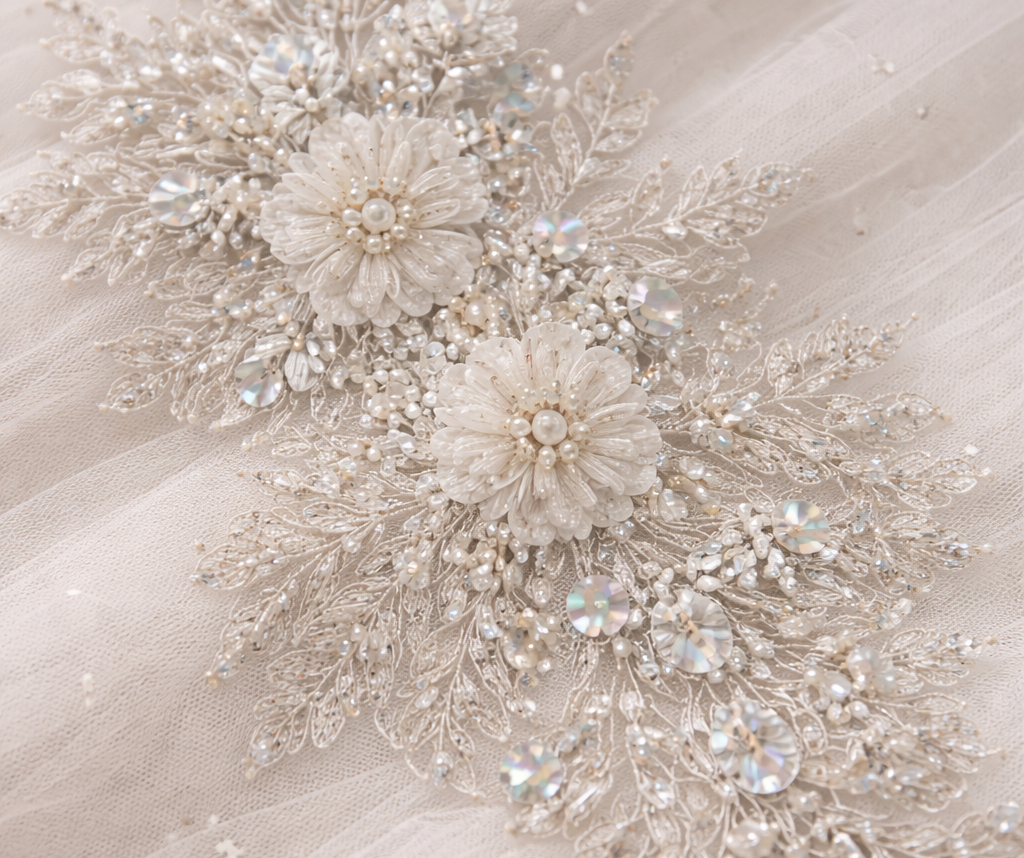
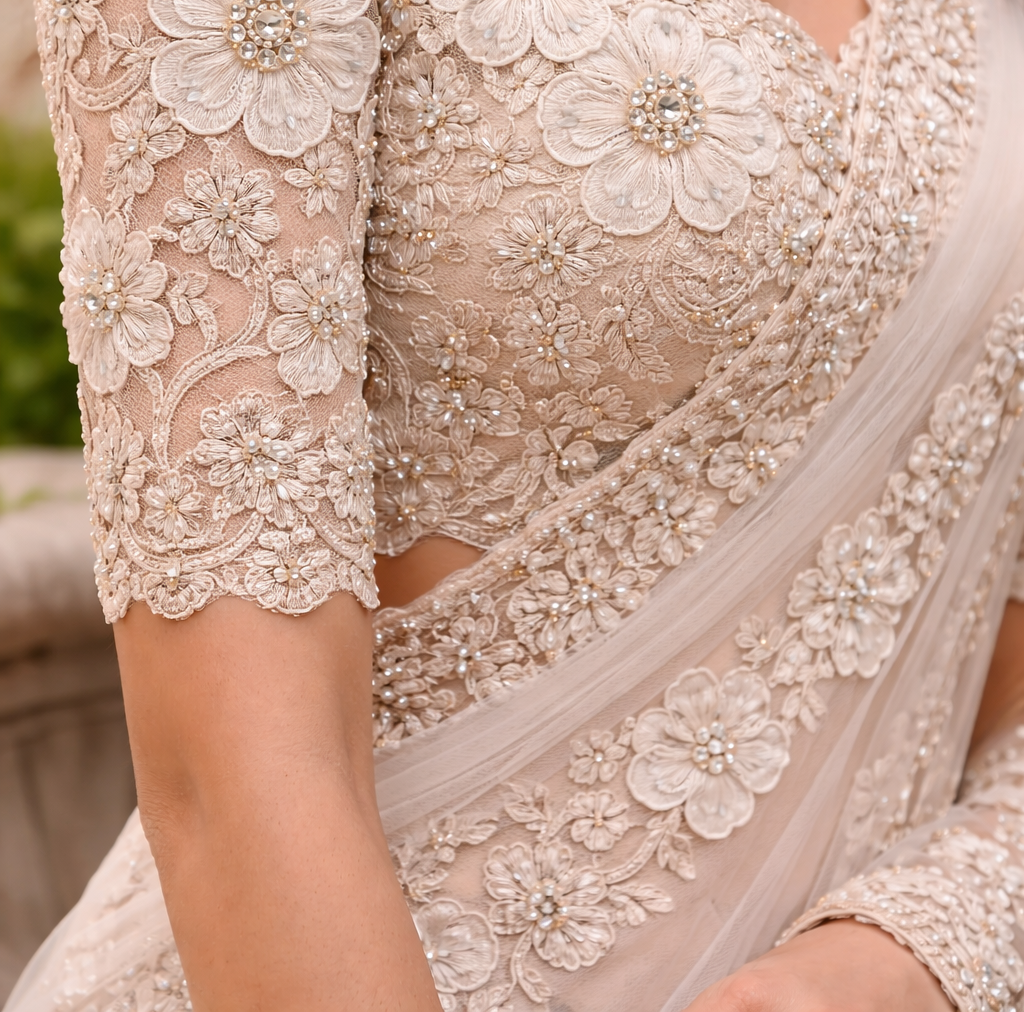
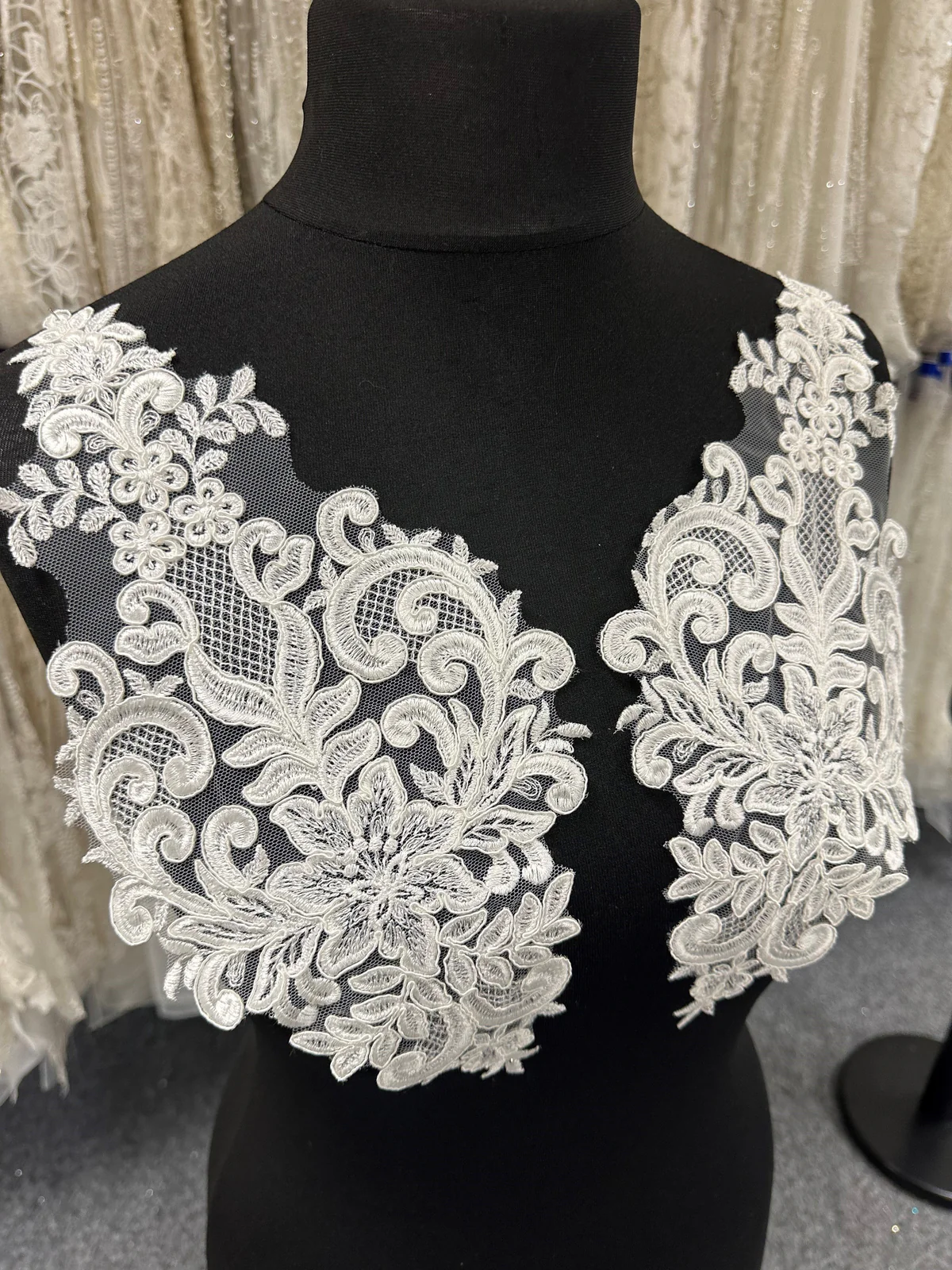
Corded embroidery uses thick threads or cords to add texture and dimension to designs, often creating a raised or 3D effect. But with this intricate technique comes the risk of the cords unraveling or fraying. This not only impacts the look of the design but can also lead to frustration during production.
The Problem:
The biggest challenge with corded embroidery is the durability of the finished product. Without the right technique, cords can come loose, causing the design to lose its intended shape. This problem worsens when the embroidery is subjected to the friction of regular use, like with uniforms, bags, or activewear.
The Solution:
To ensure durability, use the right stabilizers and thread types. Nylon or polyester threads are more resistant to fraying than cotton. Opt for fusible stabilizers that adhere to the fabric and prevent shifting during stitching. Also, make sure your embroidery machine is calibrated to handle thicker threads. This will help keep the cord in place and enhance the design's longevity.
Rhinestones
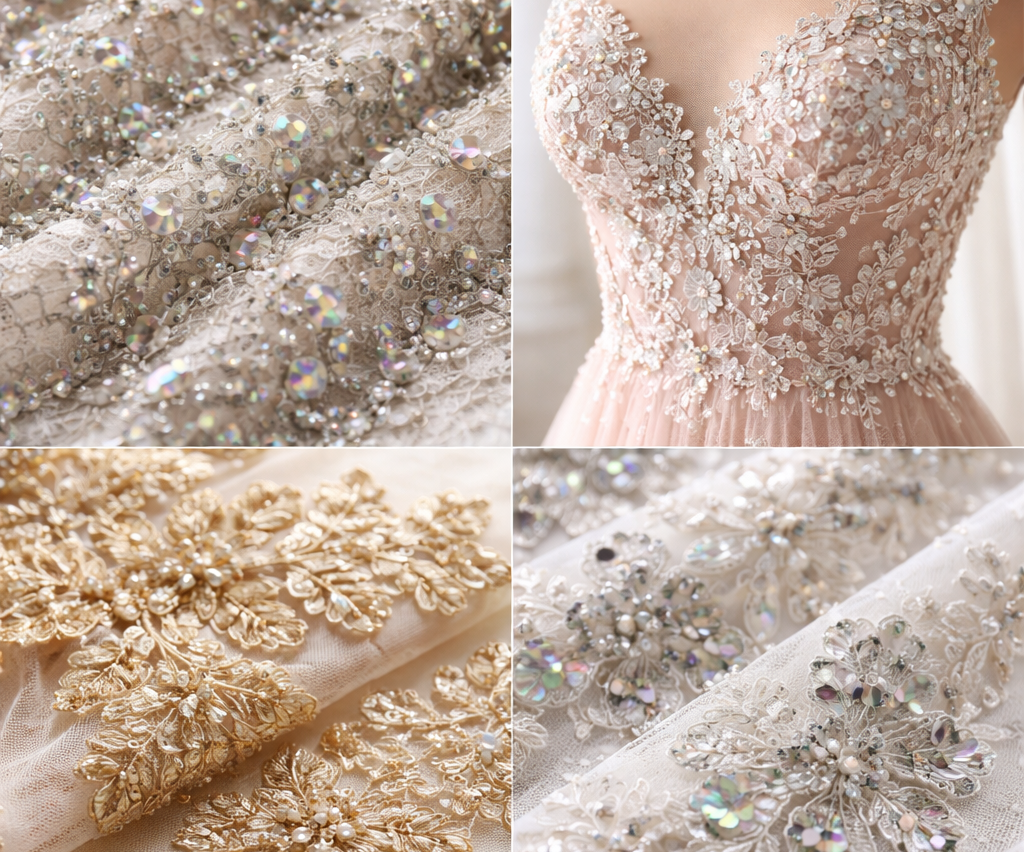
Rhinestones are a favorite among designers for their sparkle and elegance. However, placing them on garments, especially in custom or fashion pieces, can be tricky. A common problem is the stones losing their adhesive grip after washing or wearing.
The Problem:
If rhinestones aren’t applied correctly, they may fall off, leading to disappointing results. Not only does this impact the garment’s appearance, but it can also hurt your brand’s reputation. Plus, replacing rhinestones in bulk orders can be expensive and time-consuming.
The Solution:
Use high-quality rhinestones and a strong adhesive, like a heat-activated glue, for a more permanent bond. Additionally, heat press tools can help set the stones better into the fabric, ensuring a firmer hold. Testing before large production runs can also prevent potential issues. Don’t skip this step! Reinforcing with a clear adhesive coating after placement can further ensure they stay in place.
Sequin Appliques
Sequin appliques can transform any garment, but they too come with challenges. They tend to lose their shine or detach from the fabric, especially when exposed to heavy movement or frequent washing.
The Problem:
When sequins are sewn or glued onto a garment, there’s always a risk that they’ll catch on something and start to fall off. The more delicate the fabric, the easier it is for sequins to get snagged or loosened.
The Solution:
Using reinforced stitching methods is key. Consider using double stitching or even a zig-zag stitch for extra security. In addition, consider pre-attaching sequins to a fabric applique before placing them on the garment. This gives the sequins added stability and reduces the chance of them coming loose. Lastly, when selecting sequins, go for ones with a thicker backing to prevent breakage and wear.
Real-World Examples
In 2024, Baariya.com, a company specializing in custom fashion digitizing for ethnic wear brands, took on a large project to create custom embroidered jackets for a popular Indian ethnic wear brand. The jackets featured intricate corded embroidery with rhinestone accents and sequin appliques. However, the client was facing issues with designs that didn’t hold up well after repeated wear and washing. The company was also concerned about the production costs associated with redesigning the jackets for durability.
Solution:
Baariya.com used high-quality nylon corded threads and applied heat-activated adhesives for the rhinestones. They reinforced the sequin appliques by pre-attaching them to a stable backing fabric before adding them to the jacket. Additionally, they employed fusible stabilizers to prevent any shifting of the embroidery. With these improvements, the jackets maintained their appearance, and the client saw a 35% increase in order volume due to better retention on over 500 garments.
Another example comes from FashionCorp, a global fashion brand that sought to improve the durability of their custom uniforms for a hospitality client. The uniforms were adorned with rhinestones and sequins but struggled with frequent breakdowns during washing and after heavy use in the workplace. After a consultation, they adopted a stronger adhesive method, used reinforced stitching for the sequins, and carefully selected fabrics that could withstand wear and tear.
Solution:
FashionCorp upgraded their production process by using industrial-strength adhesives and reinforced stitching techniques for both rhinestones and sequins. They also tested various fabric types to ensure they would endure everyday use without compromising design. As a result, the uniforms saw a 40% reduction in complaints, and customer retention improved dramatically.
FAQs
1. What is the best thread to use for corded embroidery?
Polyester or nylon threads are best for corded embroidery because they are durable and resistant to fraying compared to cotton threads.
2. How do I ensure rhinestones stay on after washing?
Use heat-activated adhesive or a high-strength fabric glue. Consider using a heat press tool to ensure a strong bond.
3. Can I use sequins on activewear?
Yes, but be sure to reinforce them with extra stitching and use a fabric that can handle the weight and movement of activewear.
4. What kind of fabric is best for appliques?
Sturdy fabrics like denim, cotton, or polyester blends work best for holding appliques like sequins and rhinestones.
5. How do I prevent sequins from catching on fabric?
Consider using thicker sequins with sturdy backing. Additionally, reinforcing your stitching with a zig-zag stitch can help secure them in place.
6. Is there a difference between machine and hand-sewn appliques?
Machine-sewn appliques tend to be faster and more consistent, but hand-sewn appliques offer a more artisanal, unique touch. Both methods can be used effectively depending on the design.
Conclusion
Durability issues with corded embroidery, rhinestones, and sequin appliques are common in the world of fashion design. But with the right techniques, tools, and materials, you can solve these problems before they become headaches. Whether it’s reinforcing stitches, using high-quality adhesives, or testing fabrics for long-term durability, there are practical solutions available to improve your designs and production efficiency.
Next time you’re working on a custom design, try applying these tips to avoid the pitfalls that come with decorative elements. By upgrading your techniques, you’ll save time, reduce costs, and deliver better results to your clients. Ready to take your designs to the next level? Give corded embroidery, rhinestones, and sequins a try and see the difference for yourself!