Introduction (Problem)
Many people who sew clothes or sell handmade fashion items face the same issue. A garment may be well stitched, but the final design still looks too plain. Lace is often used to solve this problem, but not all lace works well. Some lace fabrics look flat, and some tear or stretch after a few washes.
This creates frustration for designers, small fashion brands, and home sewers. When a garment does not stand out visually, it becomes difficult to sell it online. Product photos may look similar to hundreds of other listings on platforms like Etsy or Amazon. Buyers scroll quickly and often choose items with more visible detail.
Durability is another concern. Thin lace can tear easily if it is used on sleeves, necklines, or decorative panels. Once a lace section is damaged, the entire garment may lose its value. For small brands, this can lead to customer complaints or product returns.
These problems explain why many designers look for stronger and more decorative lace options. Corded embroidery and embroidered flower lace are two techniques that help solve these issues. They add raised texture, stronger thread structure, and clearer patterns. When combined with rhinestone or sequin appliques, they also improve visual impact without requiring a full redesign of the garment.
Features (Solution)
Corded embroidery and embroidered flower lace are widely used in bridal wear, evening dresses, and fashion trims. These techniques improve both appearance and durability. Below are some key features and benefits.
Raised Texture Improves Visual Detail
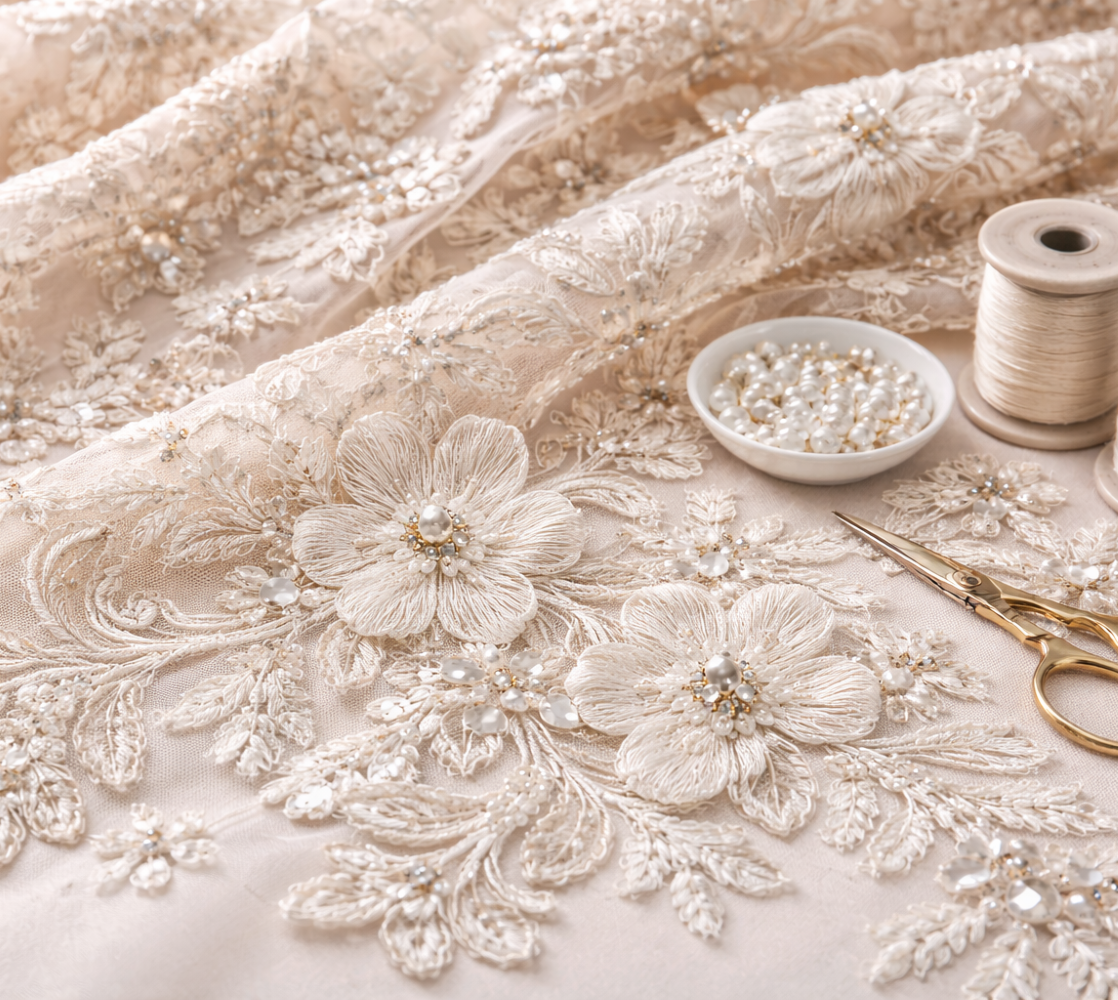
Corded embroidery uses thicker thread that follows the outline of a design. This creates a raised surface on the lace. The texture makes patterns easier to see in photographs and on finished garments. Many fashion designers prefer this method because it adds depth without adding heavy fabric layers.
Stronger Structure Compared to Regular Lace
In corded embroidery, threads are stitched over a cord or thicker yarn. This strengthens the design lines. Textile manufacturing guides note that corded embroidery can improve structural stability compared with simple embroidered lace. This helps prevent tearing in high-stress areas like sleeves or waistlines.
Popular in Bridal and Evening Fashion
Industry reports from textile trade publications indicate that embroidered lace fabrics remain a major part of the global bridal wear market. Many wedding dress manufacturers use corded embroidery flower lace because it creates visible patterns that look clear even from a distance.
Market Growth for Embellished Fabrics
Market research from Statista shows steady growth in the global decorative textile sector. Consumers increasingly look for clothing with unique surface design rather than plain fabrics. Embellished fabrics like embroidered lace, sequin lace, and decorative trims are part of this growth trend.
Easy Combination with Rhinestone and Sequin Appliques
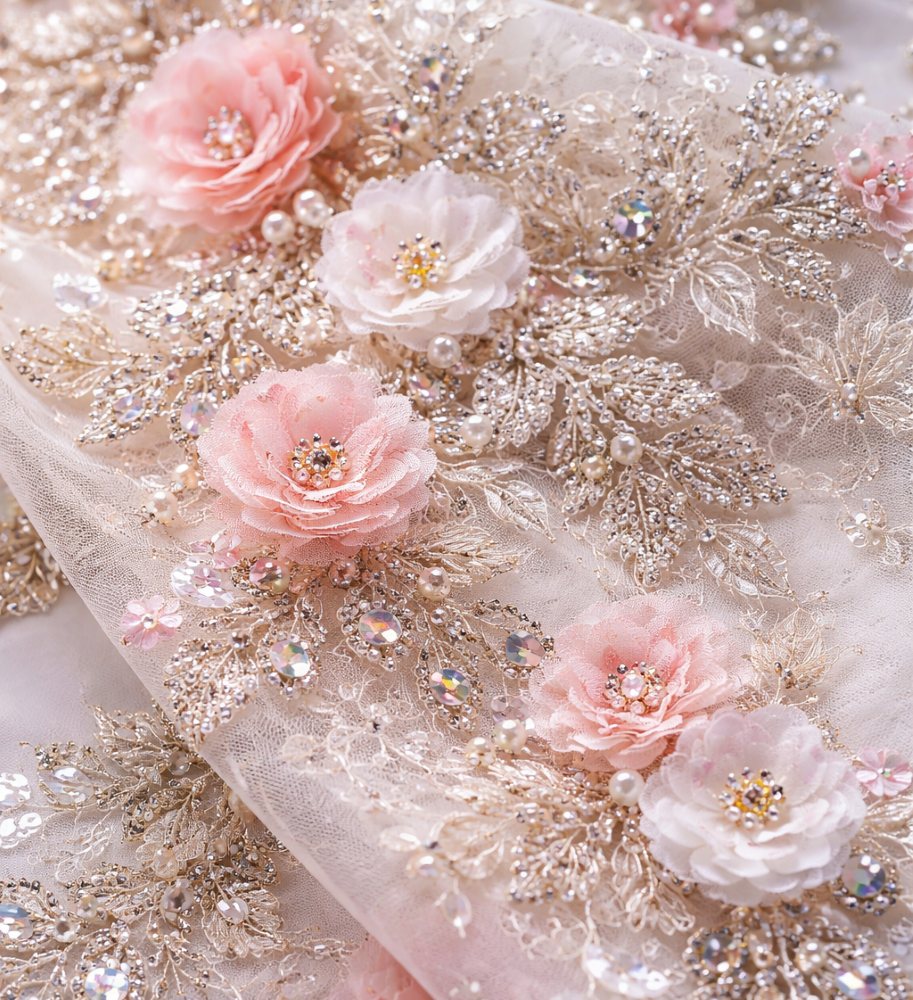
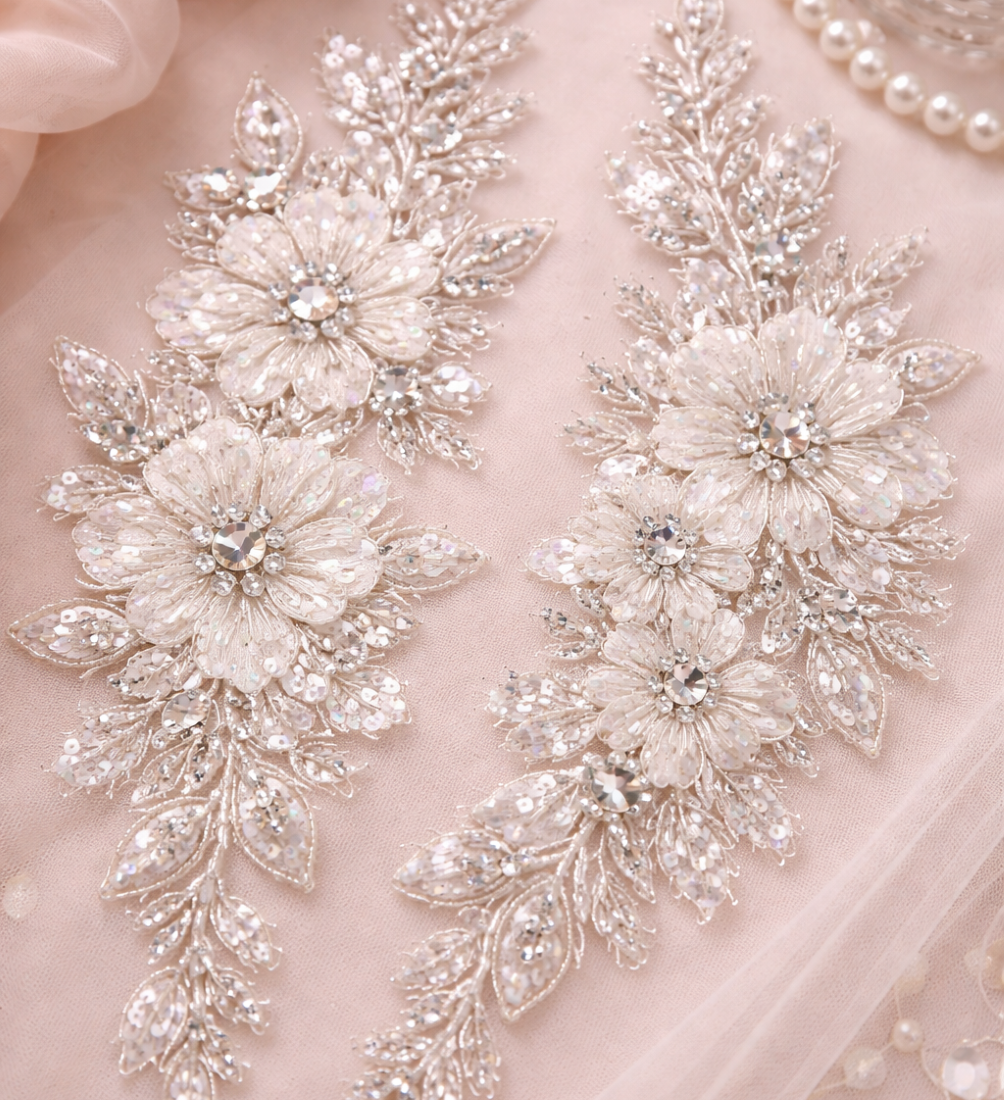
Corded embroidery flower lace works well with rhinestone and sequin appliques. The raised embroidery pattern provides a stable base for attaching decorative stones or sequins. Designers often place appliques at focal points such as neckline centers or sleeve edges.
Improved Perceived Value
Garments that include textured lace and appliques often appear more detailed to buyers. This allows small fashion brands to price products higher compared with plain fabric designs.
Flexible Application for Many Products
Corded embroidery flower lace can be used in many items including dresses, blouses, bridal veils, handbags, scarves, and jackets. Because it can be sewn like regular lace trim, it is suitable for both beginners and experienced designers.
These features explain why many fashion creators choose corded embroidery lace when they want a design that looks stronger, more detailed, and easier to sell.
Real-World Examples
Case Study 1 – Small Fashion Brand
A small independent fashion brand selling handmade dresses online struggled with slow sales during its first year. Most products used plain cotton or simple lace trims. Customers liked the stitching quality but often described the designs as “too basic.”
The brand decided to experiment with corded embroidery flower lace on the neckline and sleeves of its dresses. It also added rhinestone and sequin appliques at the waist area.
Within six months, the brand reported about 40 percent higher sales compared with the previous collection. Product photos with raised embroidery details attracted more clicks and shares on social media. Customers also commented that the garments looked more “premium” compared with earlier designs.
Case Study 2 – Etsy Lace Accessories Seller
An Etsy shop focused on bridal accessories began using embroidered flower lace for veils and hairpieces. The seller previously used plain net fabric with simple trims.
After switching to corded embroidered lace patterns, the shop reported increased customer engagement. The lace patterns appeared clearer in listing photos, which helped buyers visualize the product better.
The seller also added small rhinestone appliques to certain pieces. These designs became the shop’s best-selling products during the wedding season.
Case Study 3 – Indian Exporter Supplying USA Boutiques
An embroidery exporter in India began producing corded flower lace panels for boutique dress brands in the United States. The products were used for evening gowns and special-occasion dresses.
Because corded embroidery provides stronger thread outlines, the lace handled shipping and stitching better than thin lace fabrics. Buyers appreciated the durability and the detailed patterns.
The exporter reported increased repeat orders from fashion boutiques that wanted consistent lace designs for seasonal collections.
FAQs
1. What is corded embroidery?
Corded embroidery is a technique where thicker thread or cord is stitched along the design outline to create raised patterns.
2. How is embroidered flower lace different from regular lace?
Embroidered flower lace has stitched floral patterns added to a mesh or fabric base, making the design more visible and detailed.
3. Is corded embroidery durable?
Yes. The thicker thread used in corded embroidery strengthens the design lines and improves durability.
4. Can beginners sew embroidered lace?
Yes. Most embroidered lace trims can be attached with a regular sewing machine or hand stitching.
5. Where are rhinestone appliques usually placed?
Common locations include necklines, waist areas, sleeves, and center panels of dresses.
6. Do sequins fall off easily?
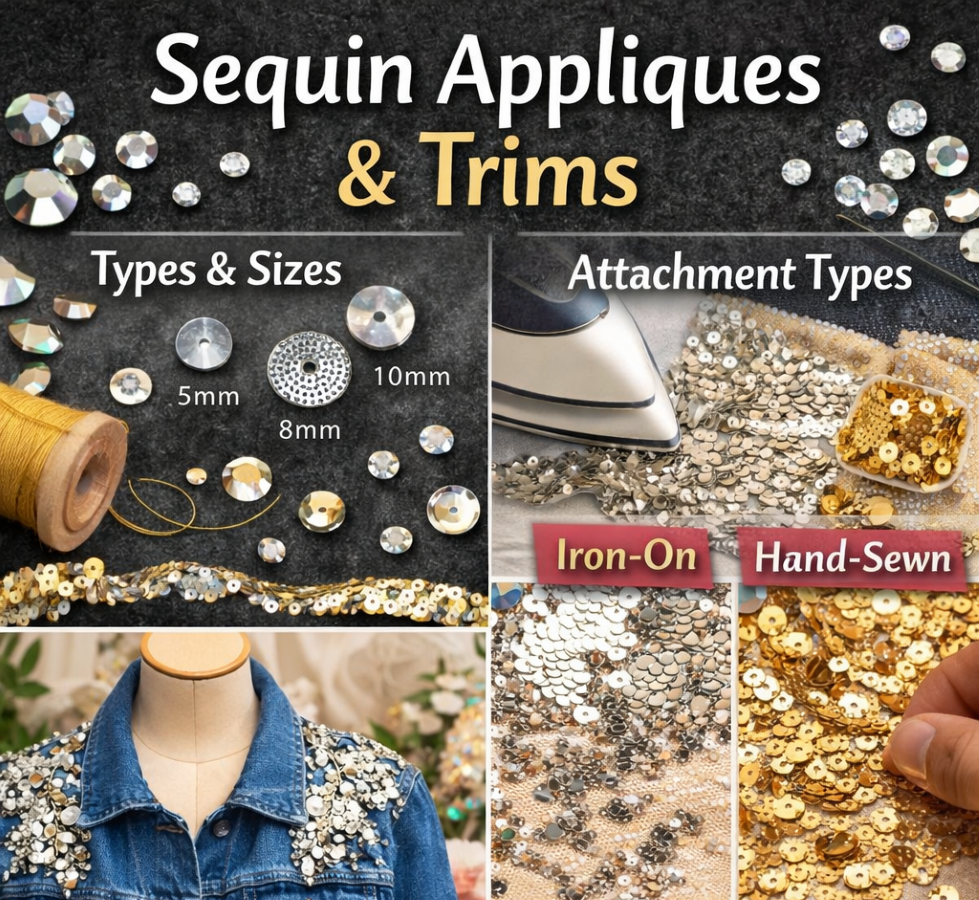
If stitched securely or heat-pressed correctly, sequins can stay attached through many washes.
7. Is embroidered flower lace expensive?
Prices vary depending on thread quality and pattern complexity, but many trims are affordable for small sewing projects.
8. Can these techniques be used for accessories?
Yes. Many designers use embroidered lace for bags, scarves, veils, and decorative trims.
9. Is embroidered lace popular in bridal fashion?
Yes. Bridal designers often use flower lace and corded embroidery for dresses and veils.
Conclusion
Plain fabrics and fragile lace often create problems for designers and small fashion brands. Garments may look simple and fail to attract buyers. Corded embroidery and embroidered flower lace provide a practical solution by adding raised texture and stronger thread structure.
When combined with rhinestone and sequin appliques, these techniques create garments that look more detailed and durable. Real examples from small brands and online sellers show that better design details can lead to stronger sales and customer interest.
If you sew garments or run a fashion business, try using corded embroidery flower lace in your next project. A small design upgrade can make a big difference.