Introduction
Have you ever bought a dress, curtain, or tablecloth and felt like something was missing? Maybe the fabric looked dull, the design seemed plain, or after a few washes, it didn’t look as nice as before. This is a common issue: many regular fabrics and simple embroidery don’t give the mix of long-lasting quality, style, and design options people want.
Corded embroidery and lace embroidered fabrics solve this problem. These aren’t just fancy extras—they help make fabrics look richer, feel stronger, last longer, and work for more uses. In this post, we’ll look at why these fabrics matter, how they work, and where they’re used in real life.
Problem: Why Regular Fabric or Simple Lace Isn’t Enough
Designs look flat or boring. Plain cotton, polyester, or basic embroidery often lack depth. They might look okay at first, but they don’t stand out.
They wear out easily. After repeated use or washing, simple embroidery or lace can lose shape, threads may break, and patterns can get messy.
Limited uses. Basic fabrics or light lace are usually only good for casual clothes or light garments. They don’t work well for heavy dresses, structured outfits, or sturdy home items like curtains or tablecloths.
No texture or “presence.” Sometimes you want fabric that feels solid and has some volume, not something that feels thin or cheap.
These problems leave a gap: people need fabrics that are stylish, strong, long-lasting, and flexible.
Agitate: The Frustration of Picking the “Right Fabric”
Imagine you spend time picking fabric for a special dress or home décor item. You choose embroidery or lace because you want it to look beautiful. But after a few months:
The lace on your curtains starts to sag or lose shape.
The embroidery on your dress, once bright, looks worn out—threads lose tension, and patterns look dull.
You realize the garment isn’t strong enough for everyday use—it’s too delicate.
You wish the fabric had more texture so it felt luxurious, but instead it feels thin or cheap.
This isn’t just about looks—it affects how long your item lasts and how useful it is. What you really need is something that combines style with strength and flexibility.
Solution: Corded Embroidery & Lace Embroidered Fabrics
Corded embroidery and lace embroidered fabrics solve these problems by offering better durability, more design options, and wider uses.
Features
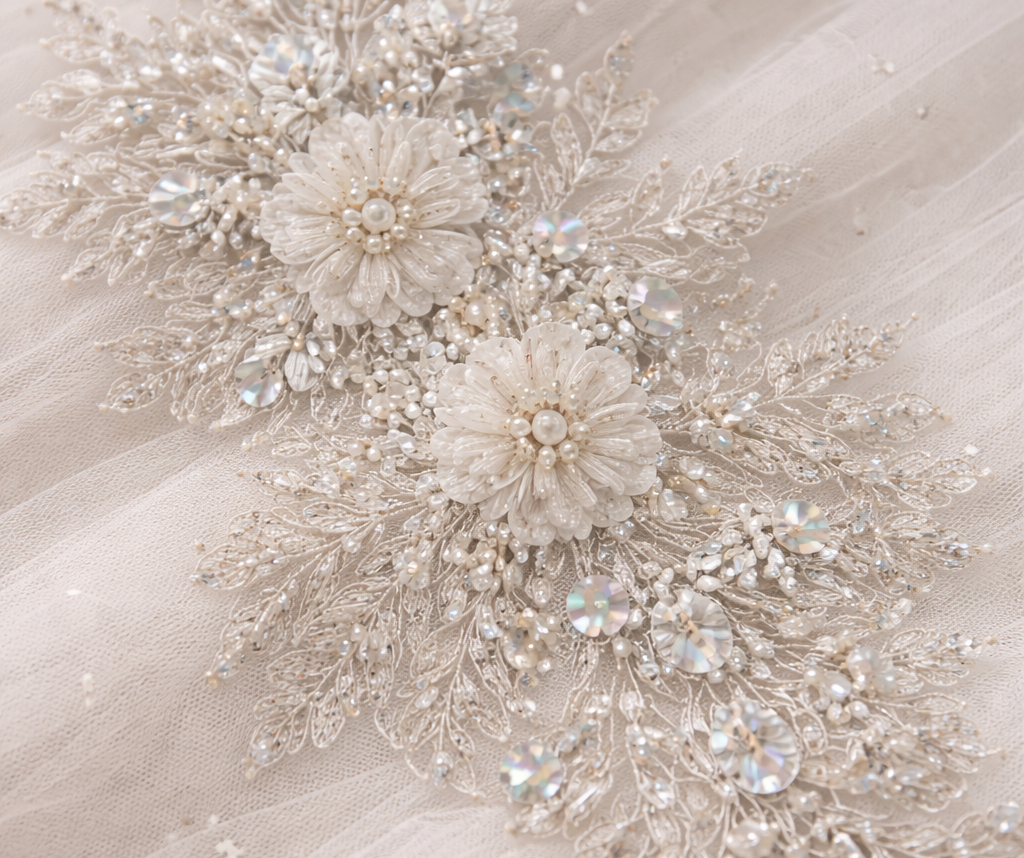
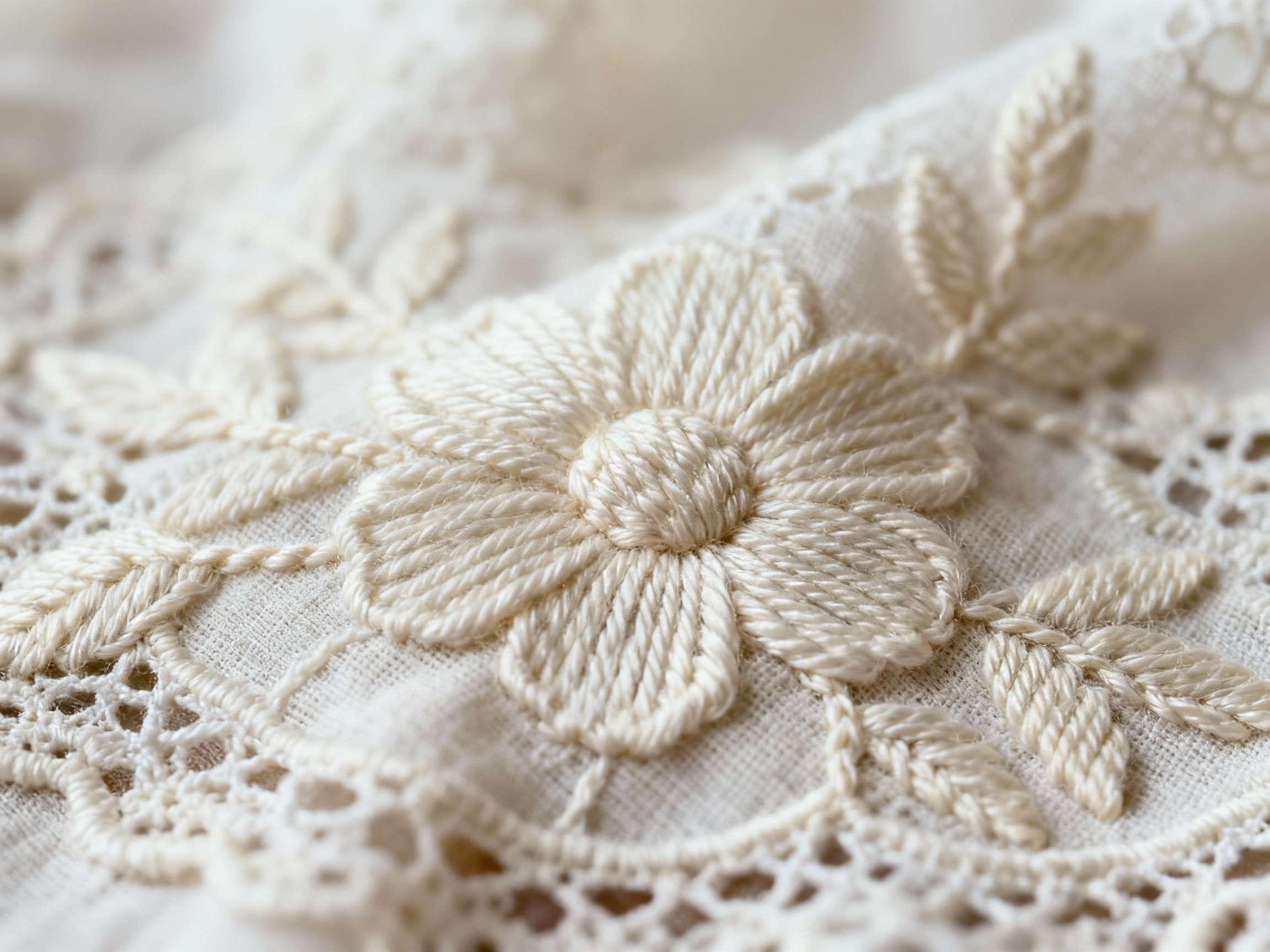
Raised texture and 3D effect: Corded embroidery uses thicker threads stitched into the fabric to create raised, textured patterns. This gives the fabric a more solid, three-dimensional look compared to flat embroidery or plain lace. It adds depth, making designs stand out instead of looking printed or flat [Alibaba+2][vivatextile+2].
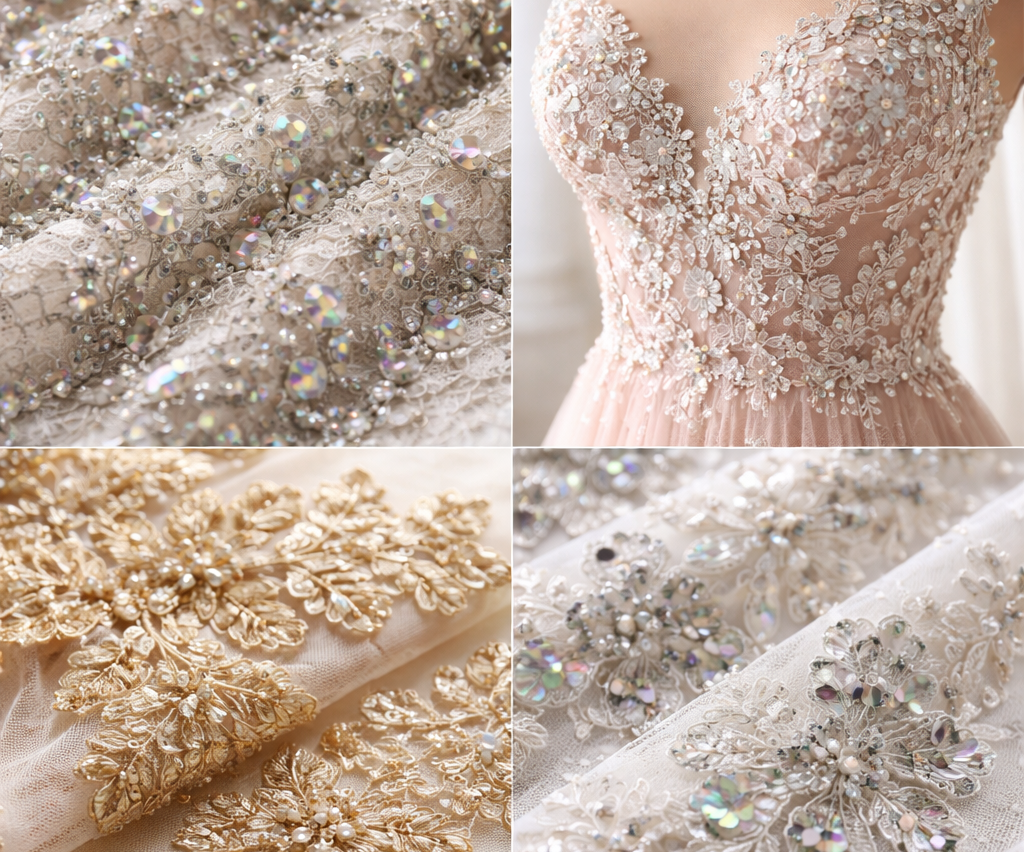
Versatile designs: Modern lace fabric comes in many types—light lace for airy dresses, heavy lace for structured outfits, and corded lace for bold effects. Embroidered lace can have fancy patterns, floral designs, or geometric shapes. You can pick what suits your style—soft and subtle, bold and eye-catching, or somewhere in between [tissura.com+2][vivatextile+2].
Strong and long-lasting: Because cords are stitched into the fabric and often backed, corded embroidery holds up better over time than simple lace or embroidery. Lace fabrics made from blends (like cotton with synthetic fibers) are soft but also strong and stretchy, making garments easier to care for [Italian Artisan+1].
Many uses: Lace and corded lace fabrics aren’t just for one thing. They can be used for:
Wedding gowns, evening dresses, ethnic wear, festive outfits (thanks to fancy patterns) [tissura.com+2][vivatextile+2]
Everyday clothes where a light lace or overlay is needed [tissura.com+1]
Home décor—curtains, tablecloths, cushion covers, bed linens—anywhere lace or embroidery adds value [Ningbo MH+1]
Crafts and DIY projects—lace and corded lace are great for appliqué, overlays, trims, and creative textile work [intertex-fabric.com+2][Mohanlal Sukhadia University+2]
Balanced style: Unlike delicate handmade lace (which can be fragile), many modern corded embroidery and lace fabrics are machine-made or reinforced. This means you get fancy, elegant patterns with enough strength to be practical [Made-in-China+2][intertex-fabric.com+2].
FAQs
Q: What is corded embroidery?
A: Corded embroidery is when a thicker thread is stitched into fabric (often by machine) to create raised, textured patterns [Alibaba+1].
Q: How is lace embroidered fabric different from plain lace or regular fabric?
A: Lace embroidered fabric means lace with extra embroidery (or cords) added, giving it more depth, detail, and strength. Plain lace is just the openwork fabric with no extra decoration.
Q: Is corded lace only for fancy clothes like wedding dresses?
A: No. Corded lace is popular for bridal wear and evening gowns, but it can also be used in everyday clothes, overlays, ethnic wear, and home décor like curtains, tablecloths, or cushion covers because it’s so versatile [tissura.com+2][Made-in-China+2].
Q: Does adding cords make the fabric less comfortable or less breathable?
A: It depends on the fabric and weave. Many lace and corded lace fabrics use fine lace mesh or netting with corded embroidery. The openwork keeps it breathable, while the cords add texture—giving a good mix of comfort and structure [Italian Artisan+2][tissura.com+2].
Q: Are corded embroidery and lace embroidered fabrics expensive or hard to find?
A: Prices vary. Some corded lace fabrics are mass-produced and affordable, especially with synthetic fibers or blends [Made-in-China+1]. High-quality fabrics—especially those with natural fibers or heavy corded lace—may cost more, but their durability and flexibility often make them worth it.
Real-World Examples
Case Study 1: Bridal Wear and Evening Gowns
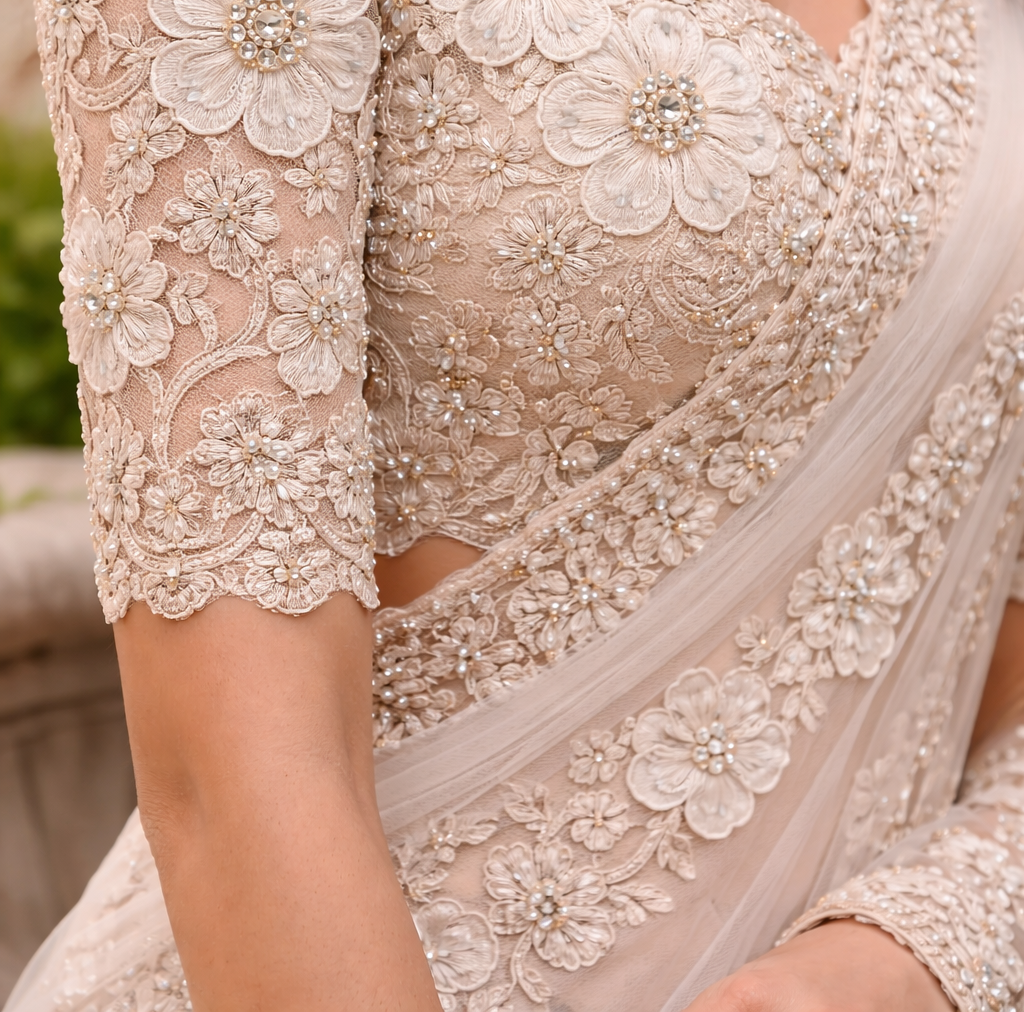
Fashion makers often use corded lace for wedding gowns, party dresses, and evening wear. The corded embroidery adds raised patterns and texture, making the dress look rich even in soft light. For example, corded embroidered tulle mesh lace—with scalloped edges and floral designs—is common for wedding dresses because it offers structured drape, a nice feel, and a mix of strength and elegance [vivatextile+2].
Because the lace is openwork (light and breathable) and has cords stitched in (strong and voluminous), these garments are both comfortable and formal—perfect for special occasions. Corded lace also holds its shape well, so the gowns look good even after several wears.
Case Study 2: Home Décor—Curtains, Tablecloths, Upholstery
For home textiles, corded embroidery and lace embroidered fabrics are used in curtains, tablecloths, cushion covers, and decorative linens. The structure from corded lace helps the fabric keep its shape—useful for curtains or tablecloths that should drape nicely or lie flat. The texture adds interest beyond plain cloth or standard lace. Many makers use corded lace for decorative curtains or table linens to give homes a refined look without heavy materials [Made-in-China+2][Ningbo MH+2].
Since lace is often made from cotton, polyester, or blends, these items are easy to wash and maintain—unlike fragile handmade lace. This means they’re useful for everyday home use, not just for show [Italian Artisan+1].
Case Study 3: Apparel and Casual Wear—Blouses, Overlays, Ethnic Wear
Corded embroidery and lace embroidered fabric isn’t just for formal wear. Designers also use lighter corded lace or embroidered lace for overlays, tunics, blouses, ethnic wear, or casual dresses. These garments benefit from the breathable nature of lace plus added design depth. Embroidered lace comes in many patterns—floral, geometric, botanical—giving designers freedom to mix tradition and modern style [tissura.com+2][intertex-fabric.com+2].
For warm climates (like many parts of India), lace garments with corded embroidery offer both comfort and style: light enough to wear, yet visually interesting and more durable than plain lace or thin fabric.
Why Corded & Embroidered Lace Works Better—Factual Backing
Experts in textile manufacturing say cord embroidery creates rich texture and three-dimensional effects, and works well with many stitch types and thread materials [Alibaba].
Lace fabrics—including corded lace—come in a wide range of weights (light to heavy) depending on design and how they’re made [tissura.com+1].
Embroidered lace (with beads, sequins, or cord outlines) adds strength and detail while keeping some of the openwork and airy quality of lace—making it a good mix between delicate lace and heavy fabric [Italian Artisan+2][tissura.com+2].
Studies show that even old lace techniques, when combined with modern design, stay relevant and inspire new creative projects [ResearchGate+1].
This shows corded embroidery and lace embroidered fabrics aren’t just for decoration—they offer real benefits in durability, flexibility, and longevity.
Conclusion
If you’ve ever struggled to find fabric that balances beauty, durability, and versatility, corded embroidery and lace embroidered fabric are strong choices. They solve the problem of flat, fragile, or short-lived fabric by combining structure, raised texture, and flexible design. From wedding gowns to home décor, from ethnic wear to modern overlays, corded lace gives you many creative options—while staying practical and durable.
Next time you design or buy a garment or décor item, think about corded embroidery or lace embroidered fabric. It’s not just about looking good—it’s about style that lasts and feels real.