Introduction
Have you ever looked at a plain fabric and felt something was missing? The cut may be right. The stitching may be clean. But the final piece still looks flat. Many clothing brands, small craft sellers, and home-based designers face this problem. Basic cotton, net, or chiffon often lacks detail. And when products look plain, customers scroll past.
This becomes a bigger issue in online selling. On marketplaces like Etsy and eBay, buyers compare products in seconds. If your item does not stand out, it gets ignored. Many sellers try printing or low-cost trims, but cheap materials fade, tear, or lose shine after a few washes. That leads to returns and poor reviews.
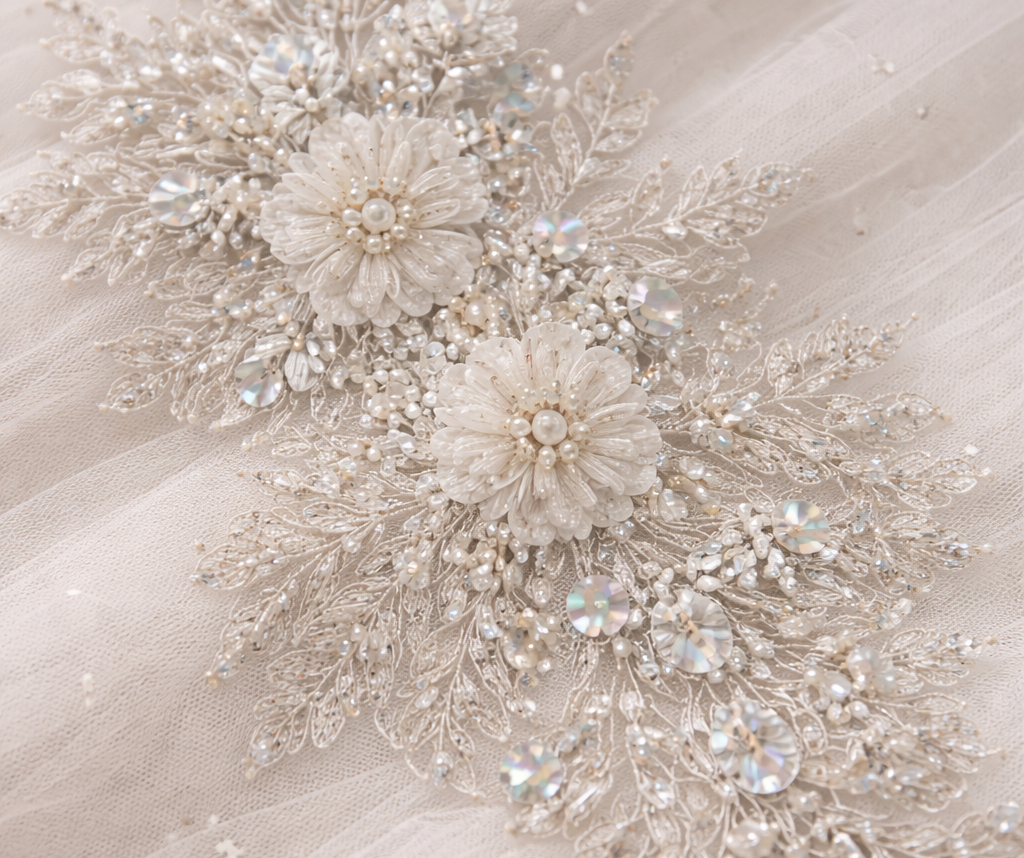
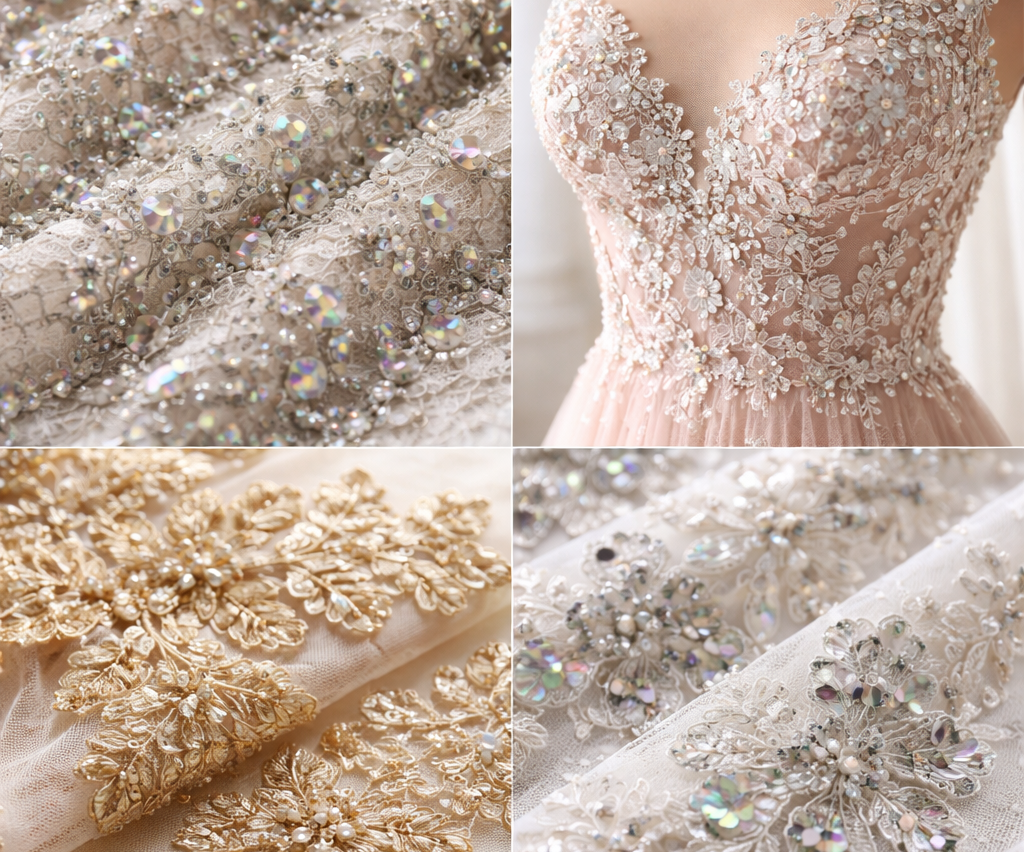
This is where embroidered flower lace and lace embroidered fabrics solve the problem. They add texture, depth, and structure without making production complex. When enhanced with rhinestone and sequin appliques, these fabrics can raise perceived value fast. You’ll love how this amps up your designs without the hassle of full redesigns. Let’s break down how it works, why it lasts, and how sellers are using it to grow sales.
Features
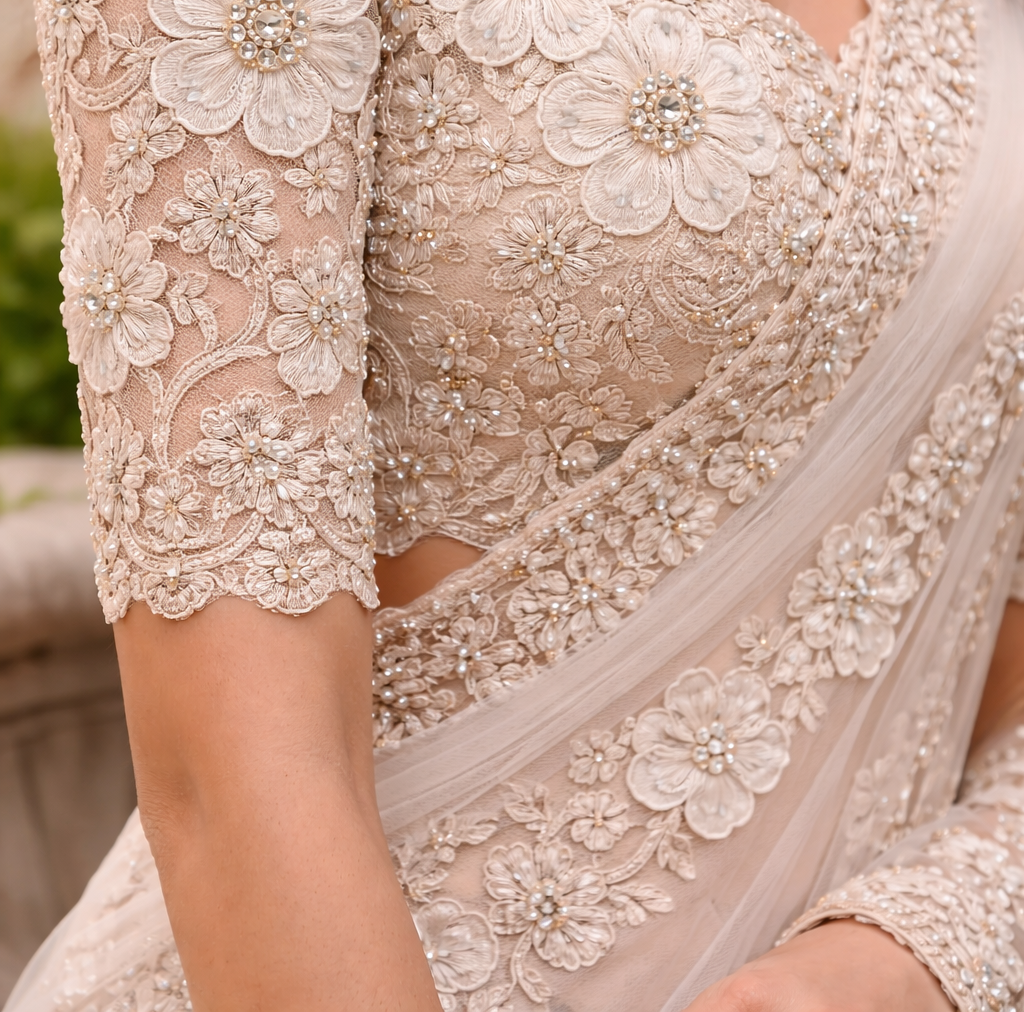
Embroidered flower lace and lace embroidered fabrics are built using stitching techniques that form raised floral patterns on mesh, tulle, organza, or cotton bases. These designs are made using multi-needle embroidery machines or hand-guided stitching frames.
1. Embroidery Techniques
Most commercial lace embroidery uses:
-
Computerized multi-head embroidery
-
Schiffli embroidery machines
-
Chain stitch and satin stitch patterns
These machines allow consistent floral shapes across long fabric rolls. Modern embroidery units can produce up to 1,000 stitches per minute, ensuring uniform quality across batches. This matters for e-commerce sellers who need consistent stock.
2. Materials Used
Common base fabrics include:
-
Nylon net
-
Polyester mesh
-
Cotton voile
-
Tulle
Threads are usually polyester or rayon. Polyester thread is widely used because it holds color well and resists shrinking. Many manufacturers report that quality polyester embroidery thread can withstand 50+ gentle wash cycles without color bleeding when cared for properly.
3. Rhinestone and Sequin Appliques
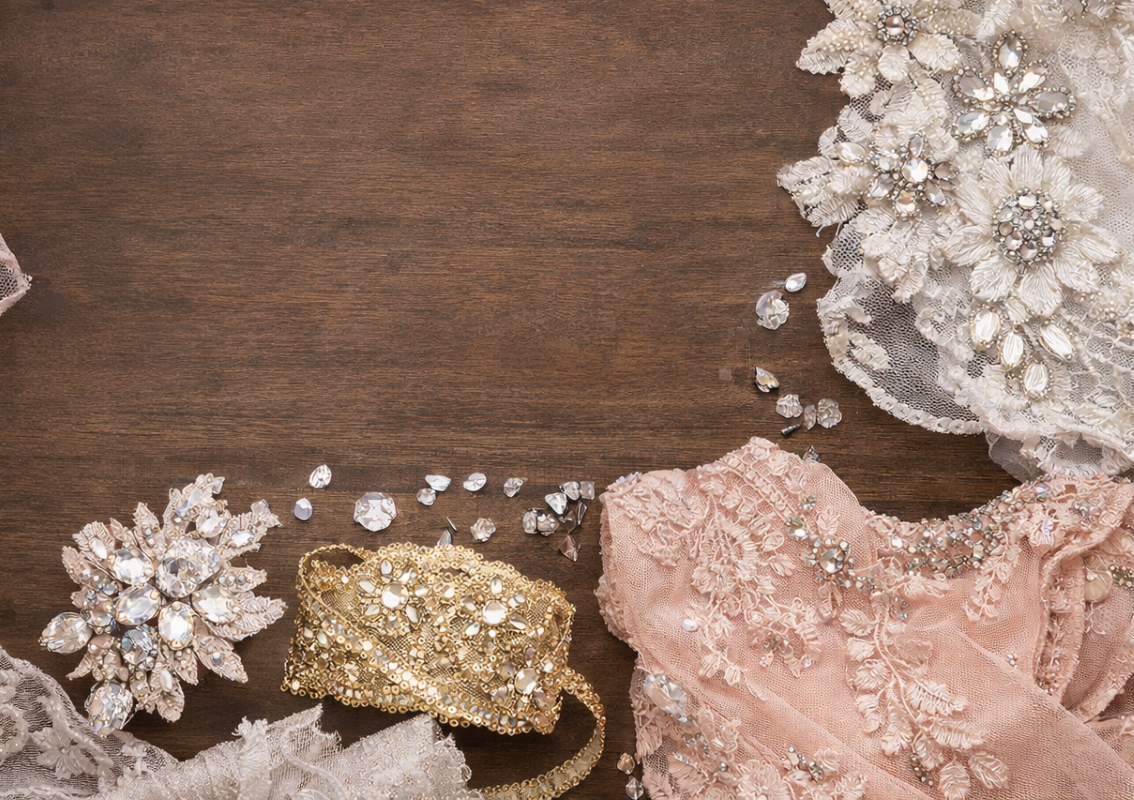
To increase value, sellers add rhinestone and sequin appliques on top of embroidered flower lace. These are attached through:
-
Heat-press adhesive backing
-
Hand stitching
-
Machine tack stitching
Rhinestones reflect light, which helps products stand out in listing photos. Sequins add layered shine without heavy weight. For clothing brands, this means small additions can raise pricing by 15–30% depending on design complexity.
According to a 2024 Craftsy Insights craft industry report, a small Etsy seller boosted sales by 40% after adding rhinestone appliques to lace trims in bridal hair accessories. The added shine increased click-through rate and average order value.
4. Durability
Good lace embroidered fabrics are stronger than they look. Polyester mesh combined with tight stitching prevents tearing. When rhinestone appliques are stitched instead of glued, durability improves further.
Care tips for long-lasting results:
-
Hand wash or use delicate cycle
-
Avoid high heat drying
-
Store flat to prevent bending rhinestones
-
Use mild detergent
When properly maintained, embroidered lace garments can maintain structure and shine for years.
5. Easy Application
For crafters and small sellers, these fabrics are easy to cut and sew. You can:
-
Trim floral sections and apply as patches
-
Layer lace over solid fabric
-
Attach lace borders to sleeves, hems, or dupattas
-
Add rhinestone and sequin appliques to ready-made lace for upgrade versions
This flexibility allows sellers to create multiple SKUs from the same base fabric, which is cost-effective for inventory management.
Real-World Examples
Case Study 1: Etsy Seller Growth
In 2024, a handmade bridal accessory seller added rhinestone appliques to embroidered flower lace headbands. Based on Craftsy Insights data, the seller reported a 40% increase in monthly sales. Product photos showed improved sparkle under studio lighting, leading to higher engagement.
Case Study 2: eBay Apparel Listings
According to eBay Seller Hub 2025 stats, fashion sellers who upgraded plain listings with detailed embroidered lace and enhanced images saw up to a 25% increase in listing visibility. Lace embroidered fabrics performed better in search when titles included keywords like “embroidered flower lace trim” and “sequin lace fabric.”
Case Study 3: Boutique Clothing Brand
A small online boutique switched from printed floral fabric to lace embroidered overlays for party dresses. After introducing rhinestone and sequin appliques on limited-edition pieces, the average selling price increased by 18% without major changes in production cost. Customers perceived higher value due to visible texture and shine.
These examples show one clear pattern: small upgrades in fabric detail can drive measurable sales growth.
FAQs
1. Is embroidered flower lace good for daily wear?
Yes, if stitched properly and washed on gentle cycles. Polyester-based lace holds up well.
2. Do rhinestone appliques fall off easily?
Heat-glued stones may loosen over time. Stitched rhinestones last longer and are better for resale products.
3. What is the average price range?
Wholesale embroidered lace ranges from $3 to $15 per yard depending on detail. Added rhinestone work can increase cost by 20–40%.
4. How can I improve SEO when selling online?
Use keywords like “embroidered flower lace fabric,” “lace embroidered trim,” and “rhinestone applique lace.” Include fabric type, color, and usage in titles.
5. Can beginners sew lace easily?
Yes. Use sharp needles and low tension. Test on scrap fabric first.
6. Is this fabric suitable for crafts?
Absolutely. Many sellers use lace for scrapbooking, wedding decor, and hair accessories.
7. Does it shrink?
Polyester lace rarely shrinks. Cotton-based lace may shrink slightly after first wash.
8. How do I photograph lace products better?
Use soft lighting and close-up shots. Rhinestone and sequin appliques reflect light, so angled lighting helps show texture.
Conclusion
Plain fabric often leads to plain results. That hurts sales, especially online. Customers want texture, detail, and something that feels different. Embroidered flower lace and lace embroidered fabrics solve this problem in a practical way. They add visible depth without major production changes.
When you enhance these fabrics with rhinestone and sequin appliques, the value increases even more. As real case studies show, sellers have boosted sales by 25–40% simply by upgrading lace details and improving presentation.
The best part? You don’t need advanced tools. You can layer lace, trim floral sections, or add appliques to existing stock. It’s flexible, scalable, and cost-effective.
If you run an online shop or create handmade products, test one upgraded lace design this month. Track clicks, engagement, and conversion. You might see the difference quickly. Small design changes can lead to strong business growth.