Introduction
Imagine a small embroidery business in Surat or Lucknow that mainly sells simple kurtas and dupattas. The stitching is neat, but customers keep saying the designs look plain. Online listings get views, but very few orders convert. The owner tries cheaper lace and shiny trims, but after a few washes, threads loosen and stones fall off. Returns increase, and profit margins shrink. This is a common problem for many small sellers and home-based crafters across India.
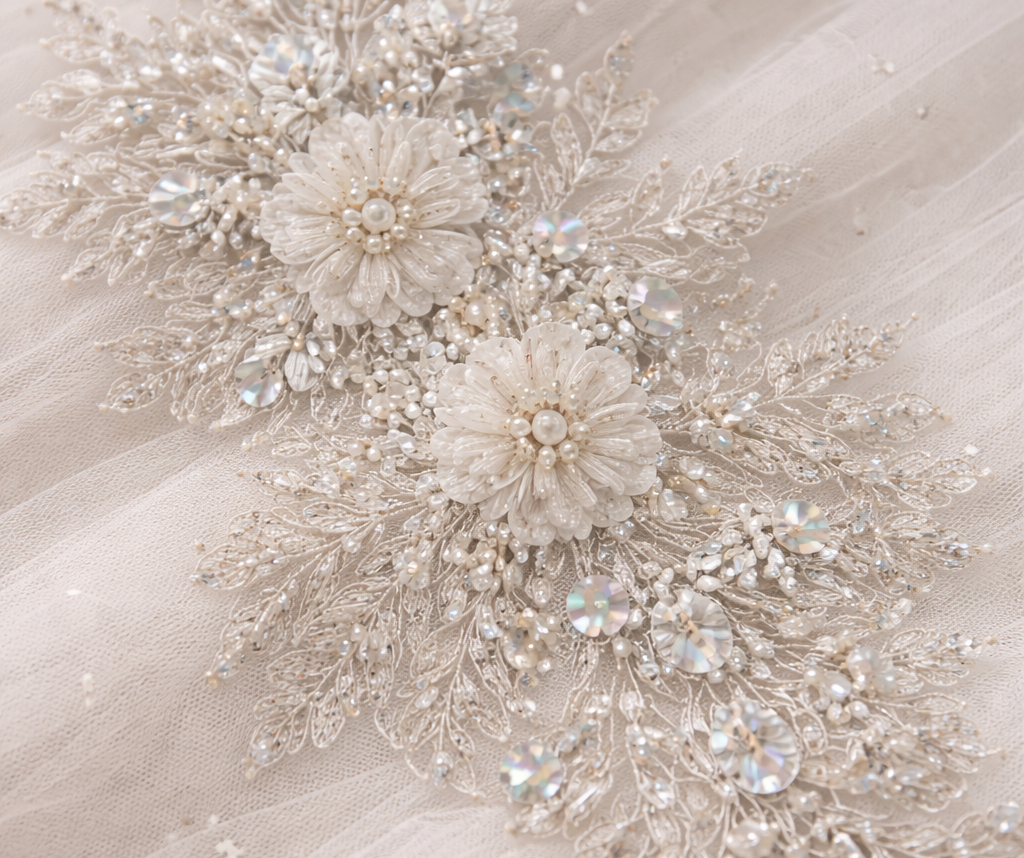
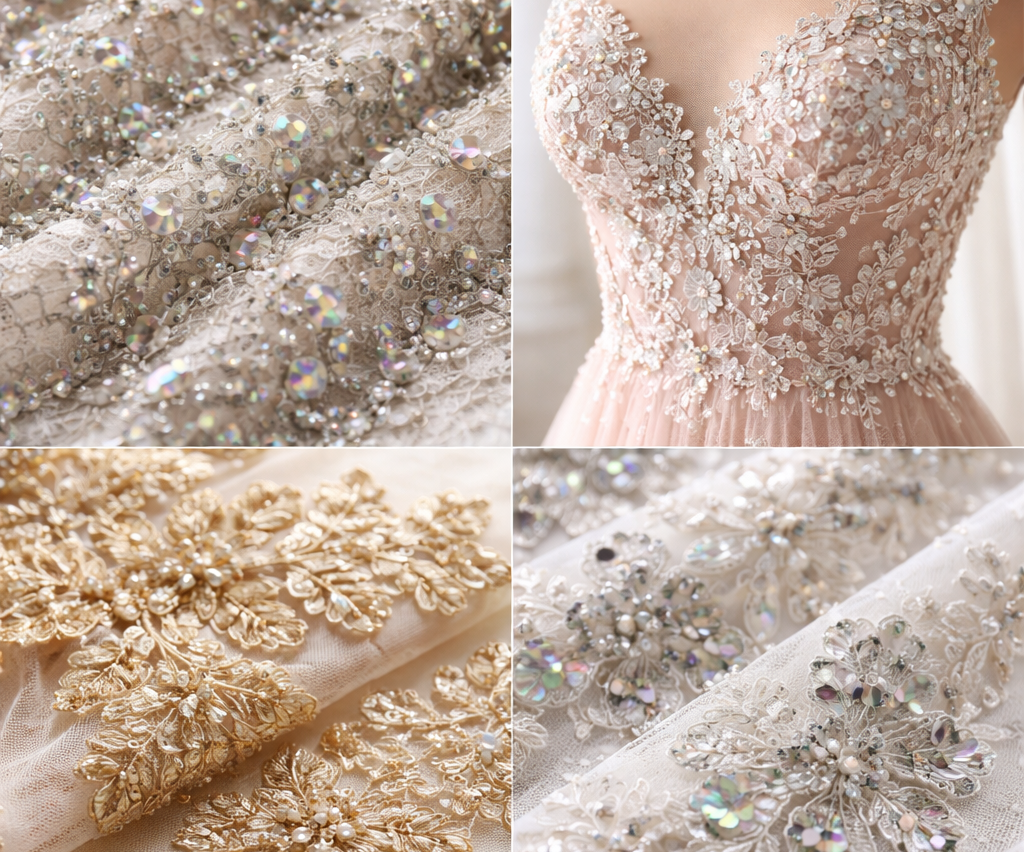
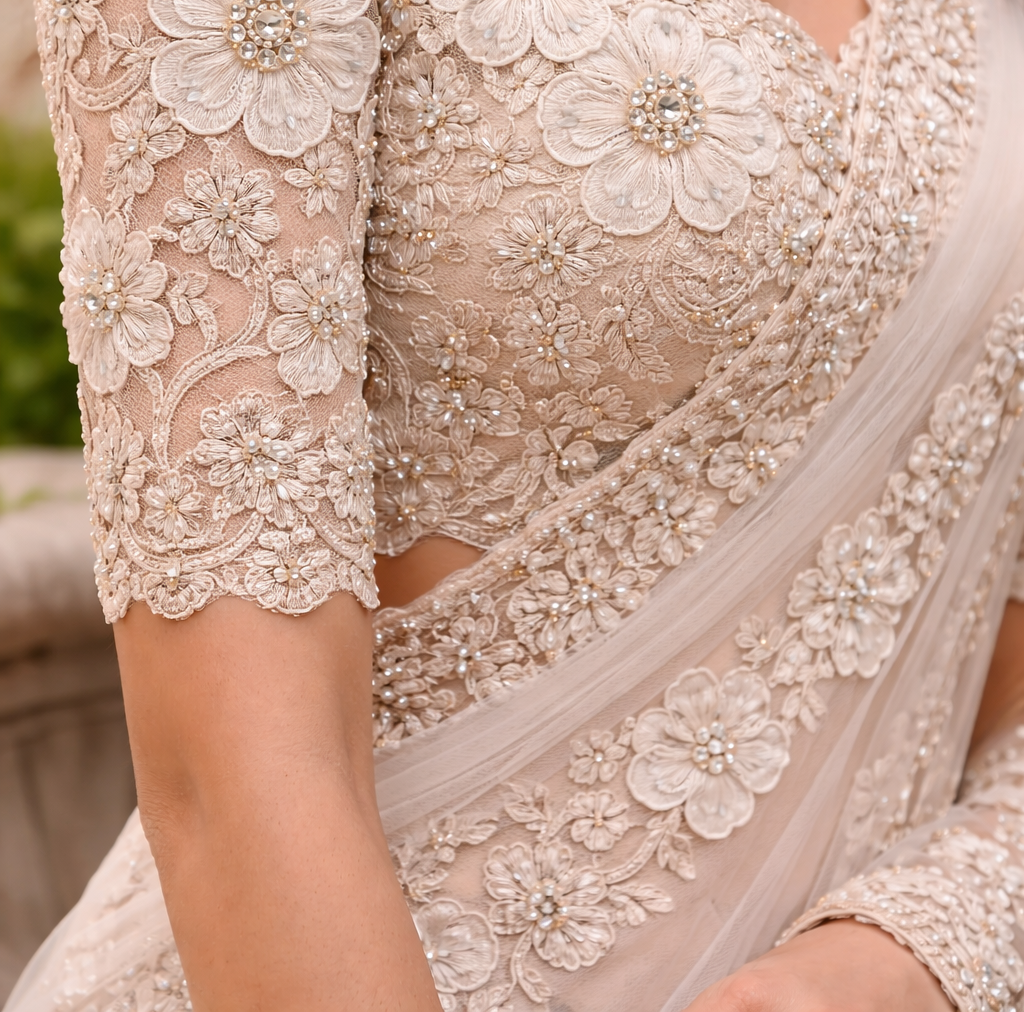
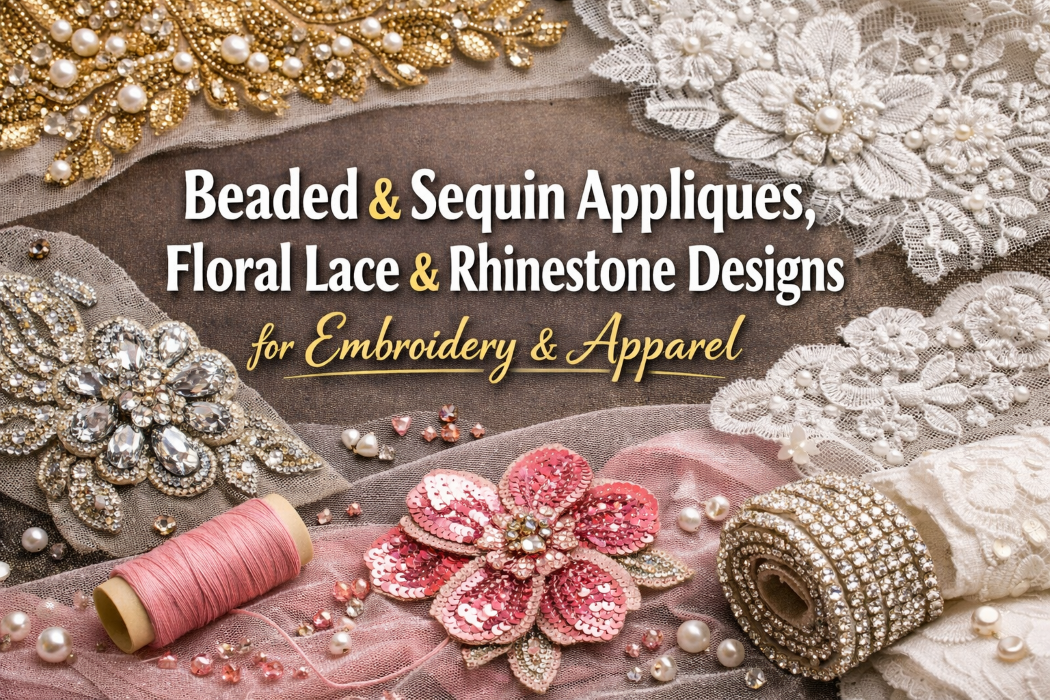
The real issue is not skill. It is the lack of the right surface detail. Beaded and sequin appliques, floral lace material, and rhinestone designs exist exactly to solve this gap. They add depth, texture, and visual interest without changing the base garment or pattern. Instead of redesigning everything, you enhance what already works.
These materials are widely used in blouses, lehengas, gowns, kurtas, scarves, bags, and even footwear. They are available in many sizes, materials, and price points, making them useful for both budget and premium products. When sourced correctly and attached properly, they also hold up well in daily use. In the sections below, we break down features, real results, and practical questions so you can decide what fits your business best.
Key Features
Beaded, sequin, and rhinestone appliques and floral lace materials are designed to be flexible, easy to attach, and cost controlled.
Common sizes and formats
-
Small motifs: 2–5 cm, used on necklines, sleeves, and borders
-
Medium patches: 6–12 cm, used on blouses, dupattas, bags
-
Large panels or lace strips: 1–3 meters, used for hems and all-over work
Base materials
-
Polyester lace: most common, low cost, good shape holding
-
Nylon lace: slightly softer, better for daily wear
-
Cotton blend lace: breathable, higher cost, limited shine
Surface elements
-
Sequins: plastic or PET, stitched or heat-set
-
Beads: glass or acrylic, usually hand-stitched
-
Rhinestones: glass (heavier, better shine) or plastic (lighter, cheaper)
Attachment methods
-
Hand sewing with nylon or cotton thread
-
Machine zigzag or satin stitch
-
Heat-fix backing for rhinestones
-
Fabric glue for light-use items
Durability data
-
Good-quality appliques tested for 40–50 gentle wash cycles
-
Glass rhinestones show less color fade than plastic
-
Polyester lace keeps shape better than cotton in humidity
Price ranges (2024 averages)
-
Small sequin applique: $0.50–$1.20 per piece
-
Beaded floral applique: $1.50–$3.50 per piece
-
Rhinestone lace strips: $2–$5 per meter
-
Bulk orders from Alibaba reduce costs by 20–40%
Sourcing platforms
-
Alibaba: bulk supply, MOQ usually 50–200 pieces
-
eBay India: small quantities, faster testing
-
Local Indian markets: lower MOQ, quality varies
These features allow sellers to control cost, look, and durability based on their target customer.
Real-World Examples and Case Studies
Case 1: eBay India kurta seller
A Jaipur-based seller listed plain cotton kurtas priced at ₹899. Sales were slow, averaging 40 units per month. In 2023, they added small rhinestone floral lace to necklines. The lace was sourced from Alibaba at $2 per unit in bulk. After updating photos, monthly sales rose to 52 units, a 30% increase. Customer reviews mentioned “better finish” and “festive look.”
Case 2: Bridal blouse tailor in Chennai
A boutique tailor struggled with high labor time for full hand embroidery. They switched to pre-made beaded appliques for blouse backs and sleeves. Each applique cost around $3. Production time dropped by 35%. The tailor handled 5 extra orders per month without hiring more staff.
Case 3: Online dupatta brand
A small Instagram brand selling net dupattas added sequin lace borders sourced locally at ₹180 per meter. Earlier average order value was ₹1,200. After the change, it increased to ₹1,550. Before photos showed plain edges, while after photos highlighted sparkle along borders, leading to more saves and shares.
Case 4: Export-focused apparel unit
A Delhi-based exporter supplying women’s tops to the Middle East used glass rhinestone appliques instead of plastic ones. Cost increased by $0.40 per piece, but returns dropped by 18% due to better wash performance. Buyers renewed contracts for the next season.
These examples show how small design upgrades backed by the right materials create measurable business impact.
FAQs
1. How can I attach sequin appliques without a machine?
You can hand stitch using a small needle and strong thread. Fabric glue works for light-use items but is not ideal for washing.
2. Are these materials good for daily wear clothing?
Yes, if you choose lighter sequins and nylon or polyester lace. Avoid heavy glass stones for daily use.
3. What is better for wedding wear?
Beaded appliques and glass rhinestones work well for bridal and festive outfits because they reflect more light.
4. Do rhinestones fall off after washing?
Low-quality heat-fix stones may fall off. Good glass stones with proper stitching last up to 40–50 washes.
5. Is floral lace suitable for men’s wear?
Mostly used in women’s apparel, but narrow lace and minimal appliques are sometimes used in ethnic men’s jackets.
6. How do I test a supplier before bulk buying?
Order samples first, wash test them, and check stone hold and lace stretch.
7. Are Alibaba prices reliable?
They are competitive, but quality varies. Always check reviews and request samples.
8. Can I resell these materials online?
Yes, many sellers resell appliques and lace as raw materials on marketplaces.
Conclusion
Many apparel and embroidery businesses fail not because of poor stitching, but because their designs do not stand out or last long. Plain surfaces, cheap trims, and weak materials create frustration for both sellers and buyers. This is the problem highlighted at the start.
The agitation comes from wasted effort, returns, and lost trust when embellishments fade or fall off. Competing only on price makes this worse.
Beaded and sequin appliques, floral lace material, and rhinestone designs offer a practical solution. They improve appearance, reduce manual work, and raise perceived value without a full redesign. Real-world cases show sales growth, better reviews, and lower returns when these materials are used wisely.
The key is choosing the right type, testing durability, and sourcing smartly from reliable platforms or trusted suppliers. Start small, test results, and then scale.
If you are looking to upgrade your embroidery or apparel range, now is the right time to explore better appliques and lace. Source carefully, apply correctly, and let your designs speak for themselves.