Introduction
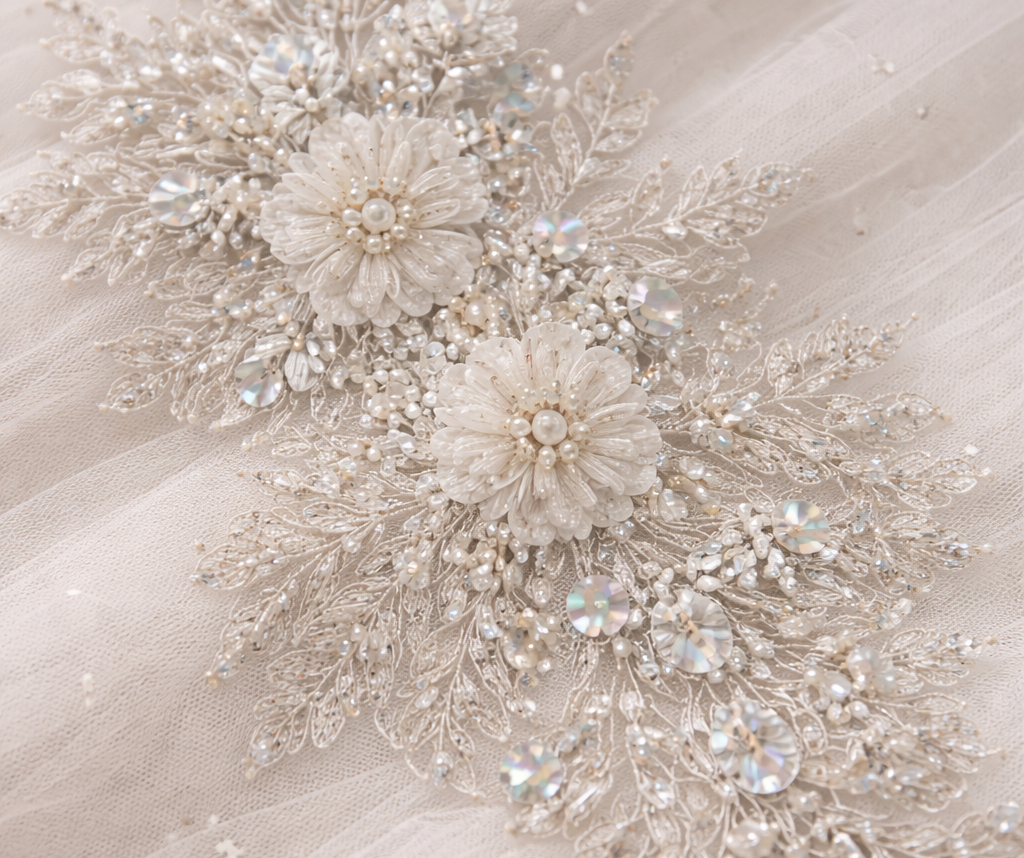
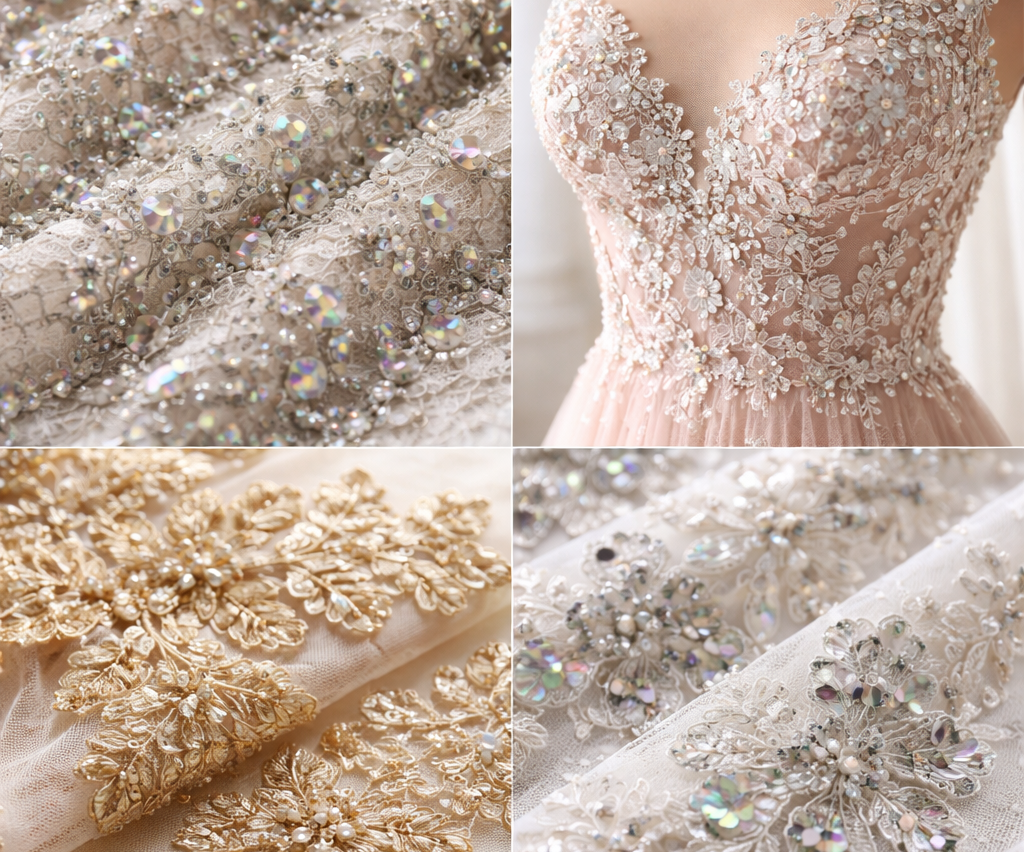
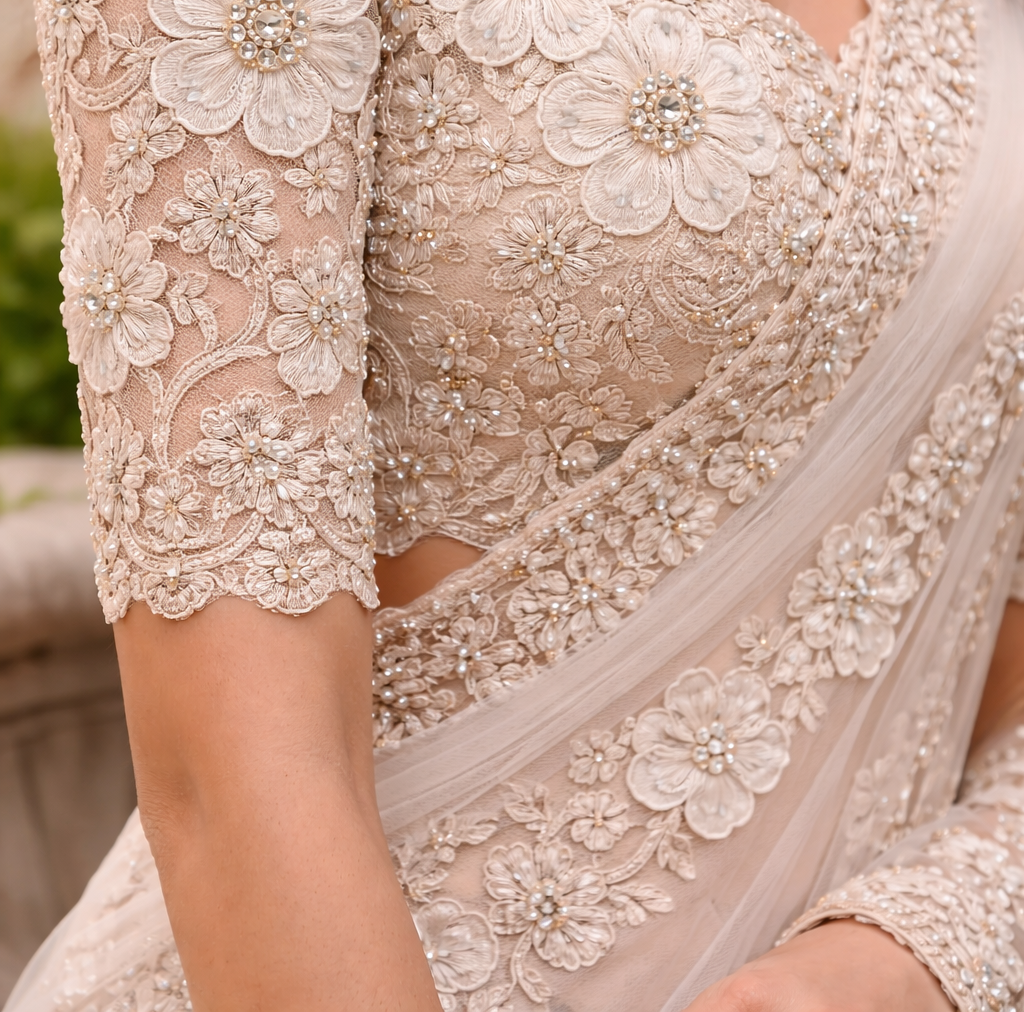
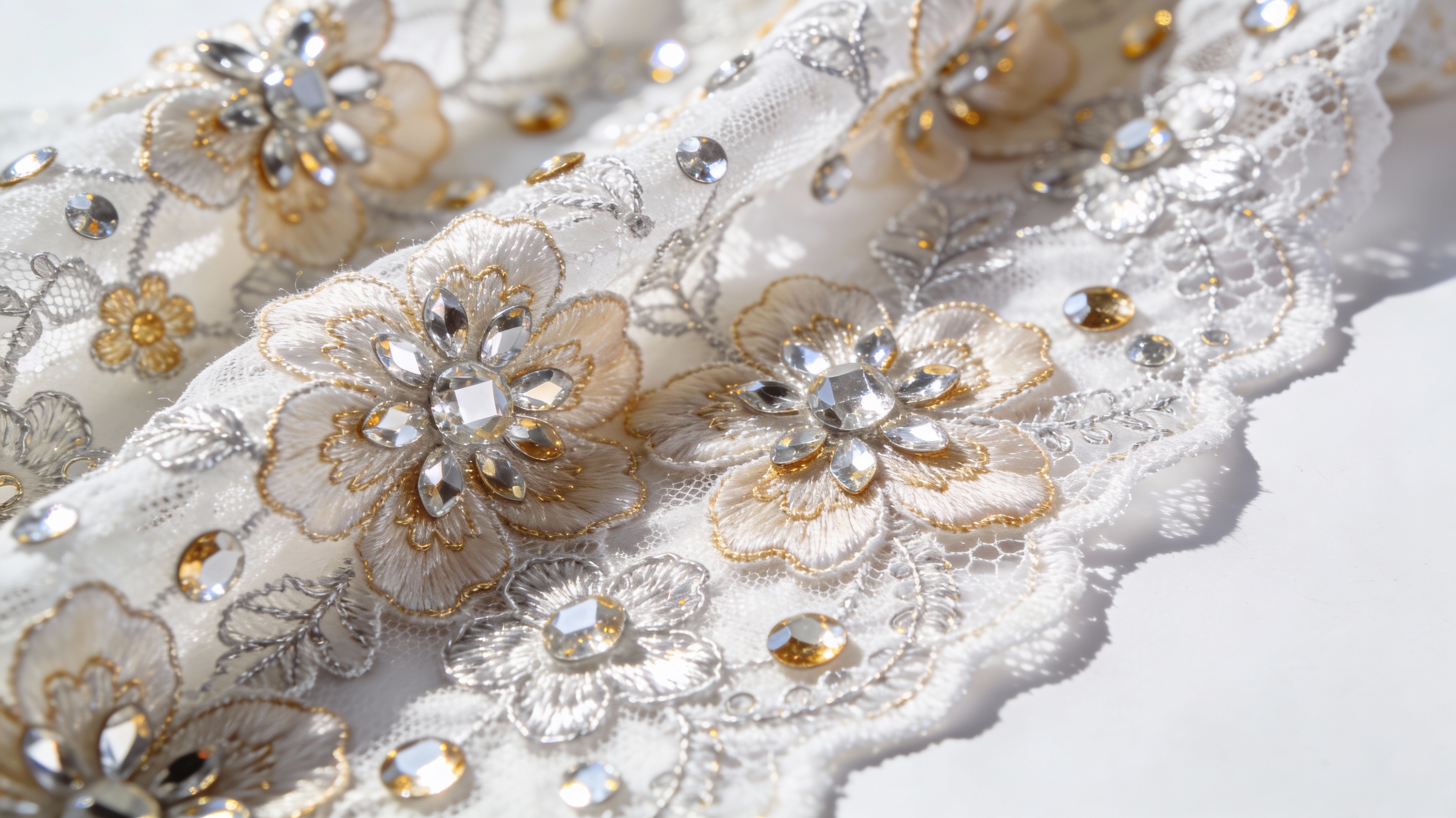
The world of fashion is always evolving, with designers pushing boundaries and finding new ways to express creativity. One element that has stood the test of time in both high fashion and everyday garments is the combination of floral lace material with sequin appliques and rhinestones. Whether for a stunning evening gown, a chic dress, or statement accessories, this fusion adds an element of sparkle, texture, and elegance to a design.
However, even with all their beauty and appeal, incorporating floral lace trims with sequins and rhinestones presents challenges. As much as these materials elevate a garment, there are real-world difficulties that designers and manufacturers face when choosing or working with them. Let’s explore the common problems, their impact on fashion quality, and how these issues can be solved by understanding how to best use sequin appliques and floral lace.
The Problem: The Challenges of Choosing and Using Sequin Appliques and Lace Trims
1. Difficulties in Sourcing the Right Materials
Designers may often struggle to find high-quality floral lace trims that are versatile enough for various designs. The lace material itself can sometimes lack the right balance of delicacy and durability. When it comes to sequin appliques and rhinestones, finding the right combination of size, shape, and color to match the design vision can be equally tricky.
2. Time and Labor-Intensive Application Process
Applying sequin appliques to floral lace is an intricate and time-consuming process. The need for precise stitching and attention to detail can slow down production time, particularly when trying to achieve specific looks or patterns. This can become especially problematic in fast-paced fashion environments where timelines are tight, and perfection is a must.
3. Durability Issues
While sequins and rhinestones look stunning on floral lace trims, the material combination can sometimes result in fragile garments. The delicate nature of lace means it’s often prone to wear and tear, and the addition of heavy embellishments like rhinestones or sequins can cause the fabric to lose shape or integrity over time.
4. High Cost of Production
The combination of floral lace, sequins, and rhinestones can be costly. High-end fabrics and intricate embellishments require skilled labor, adding to the overall cost of production. Designers must balance the desire for luxury and beauty with the constraints of budget and profitability, which can lead to difficult decisions when it comes to the type and quantity of materials to use.
The Agitation: Impact of These Challenges on Fashion Quality, Design Costs, and Durability
The issues mentioned above create a ripple effect that can be seen throughout the entire fashion design process. Let’s break down the impact of these challenges:
1. Lower Design Quality
When designers are unable to source the perfect materials or struggle with the application process, it can lead to compromises in the overall quality of the design. Poor-quality lace or improper application of sequins and rhinestones can make garments appear less polished and fail to achieve the high-end, refined look that customers expect.
2. Increased Costs
The labor-intensive application of sequins and rhinestones on lace can drive up production costs, making the garment more expensive for consumers. Additionally, sourcing premium materials further adds to the overall cost of production. High costs can make it difficult for designers to stay within budget and can limit their ability to produce the quantity needed for mass-market appeal.
3. Loss of Durability
Lace, while beautiful, is often delicate. The addition of heavy embellishments like sequins and rhinestones can create tension within the fabric, leading to rips or tears. As a result, the longevity of the garment may be compromised, and consumers may find themselves disappointed with a design that doesn’t withstand frequent wear.
4. Time Delays
Time is money in fashion, and when the process of applying sequins and rhinestones is not streamlined, delays in production can occur. This can negatively affect designers' ability to meet deadlines, causing shipping delays or even missed market opportunities.
The Solution: How Sequin Appliques, Rhinestones, and Floral Lace Materials Can Solve These Issues
By understanding how to work with sequin appliques and floral lace trims properly, designers and manufacturers can alleviate many of the challenges they face. Here’s how:
1. Sourcing High-Quality Materials
The first step in ensuring success with floral lace trims and sequin appliques is to carefully source materials. Designers should look for lace that offers a good balance of delicacy and strength. Lace fabrics made from synthetic fibers, such as polyester, tend to hold up better over time, while still maintaining the delicate floral patterns designers love. For the sequins and rhinestones, working with trusted suppliers who specialize in embellishments will help ensure consistent quality and availability. High-quality materials may come at a higher price point, but they offer better durability and design flexibility in the long run.
2. Streamlined Application Techniques
Technology has made it easier to apply sequins and rhinestones to fabric, reducing the labor and time involved in manual stitching. Laser-cut appliques, which are pre-designed patterns of sequins and rhinestones, are now widely available, and they can be directly stitched onto floral lace material, saving both time and effort. Heat-transfer appliques are another option, where sequins and rhinestones are fused to the lace material using heat, which also reduces the time spent on manual labor and ensures a strong bond between materials.
3. Reinforcing Lace for Durability
To combat the delicate nature of lace, designers can opt for lace trims that are reinforced with an underlying fabric. A layer of cotton or silk can provide extra strength without sacrificing the aesthetic appeal of the lace itself. Additionally, using sequins and rhinestones sparingly or incorporating them into a more durable section of the garment (such as the hemline or bodice) can help prevent damage.
4. Cost-Effective Production
While high-end floral lace with sequin appliques may still be expensive, there are ways to reduce costs without compromising on design. By using pre-embroidered or pre-applied sequins and rhinestones on lace materials, designers can cut down on labor costs. Furthermore, choosing materials that combine sequins and floral lace into a single textile can reduce the number of steps involved in the creation process, ultimately reducing overall production time and cost.
Features and Benefits of Sequin Appliques and Floral Lace Material in Fashion
1. Versatility
Floral lace trims with sequins and rhinestones can be used in a wide variety of designs, from high fashion couture gowns to casual tops and accessories. The combination of delicate lace with the sparkle of sequins and rhinestones allows designers to create both elegant and playful looks.
2. Enhanced Aesthetic Appeal
The addition of sequins and rhinestones to floral lace can elevate any design, creating a glamorous and luxurious look. The texture, shimmer, and detailed craftsmanship make garments stand out, capturing attention and conveying sophistication.
3. Durability with Careful Application
When combined correctly, floral lace with sequins and rhinestones can be both beautiful and durable. By carefully selecting the right materials and using streamlined application techniques, designers can create garments that last longer and maintain their beauty throughout multiple wears.
4. Cost-Effective Alternatives
Using pre-applied or heat-transferred embellishments can lower costs while still achieving a high-end look. This approach allows designers to keep production affordable without compromising on the aesthetic quality of the design.
Real-World Examples or Case Studies
Several high-fashion brands have successfully utilized floral lace trims with sequin appliques to create stunning collections. For example, brands like Oscar de la Renta and Marchesa often use floral lace in their couture collections, adding layers of sequins and rhinestones for added luxury and texture. Their designs are timeless and showcase how delicate lace can be paired with intricate embellishments to create a standout piece.
In the fast fashion world, brands like Zara and H&M have incorporated floral lace trims with sequins into their more affordable lines, making the style accessible to a broader audience. These brands use techniques like laser-cut appliques and heat-transfer designs to streamline production and offer stylish garments at a more affordable price.
FAQs
Q: How do I choose the best floral lace for my project?
A: Look for lace that combines durability with elegance. Synthetic fibers such as polyester offer strength, while cotton or silk blends provide a more luxurious feel.
Q: Can sequin appliques be used on any fabric?
A: Yes, sequin appliques can be used on various fabrics, but ensure the fabric is strong enough to handle the weight of the embellishments. Delicate fabrics may require reinforcement.
Q: How do I apply sequin appliques to floral lace?
A: You can either sew them manually or use heat transfer techniques, depending on the material and desired effect.
Conclusion
Floral lace materials adorned with sequin appliques and rhinestones are a timeless combination in modern fashion. While challenges exist in sourcing materials, applying embellishments, and maintaining durability, there are effective solutions that designers can adopt. By understanding how to source high-quality materials, use efficient application methods, and reinforce lace for durability, designers can create beautiful garments that offer both aesthetic appeal and longevity. Ultimately, floral lace with sequins and rhinestones provides an opportunity to craft standout designs that impress and endure.