Introduction
Ever look at the edge of a dress, sleeve, bag, or curtain and feel something is missing? You finished the sewing. The fabric is good. The shape works. But the border looks plain.
Many crafters face this problem. The center of the design gets attention while the edges stay simple. That can make the whole item feel unfinished.
Another problem appears after decoration. Beads fall off. Sequins loosen. Borders wrinkle after washing. If you sell handmade items, this creates returns and poor reviews.
Nobody wants to spend hours sewing only to see the trim fail later.
That frustration is real. Etsy sellers often say plain edge designs receive fewer clicks than decorated ones. Customers notice borders more than you might expect.
So what can you do without turning your project into complicated work?
Here is the solution. Lace border designs with sequin and beaded appliques, plus rhinestone and sequin patches.
These materials upgrade edges fast. They add texture, light, and structure without complex sewing steps. Many designers rely on them because they save time and improve product photos.
In this guide, you will learn how lace borders and appliques work, where to use them, and why they help your projects stand out.
Key Features
Let’s break down the main elements used in lace border designs. These materials appear in fashion, crafts, costumes, and home décor.
They are popular because they are simple to attach and provide visible design improvement.
Lace Border Designs
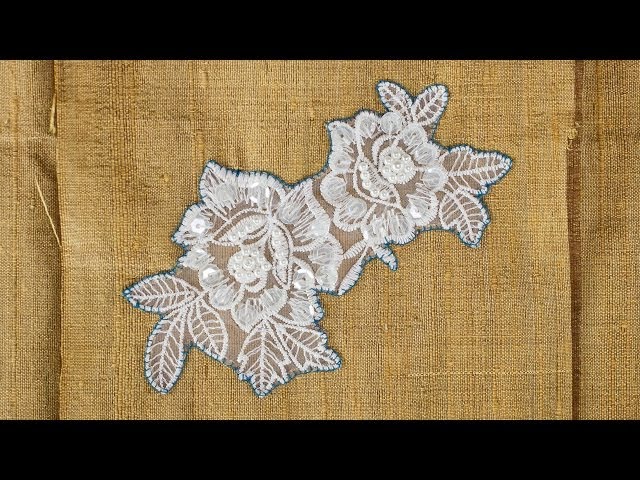
Lace borders are narrow decorative lace strips sewn along fabric edges.
You often see them on:
-
Dresses
-
Skirts
-
Curtains
-
Table runners
-
Craft bags
Common lace border materials include:
-
Cotton lace
-
Polyester lace
-
Nylon lace blends
Cotton lace is breathable and easy to sew. Polyester lace is stronger and more resistant to washing.
Benefits of lace borders
-
Improve plain hems
-
Hide uneven stitching
-
Add structure to fabric edges
-
Flexible enough for curved shapes
Fabric retailers report that lace borders remain one of the most purchased trims because they solve simple finishing problems.
Sequin Appliques
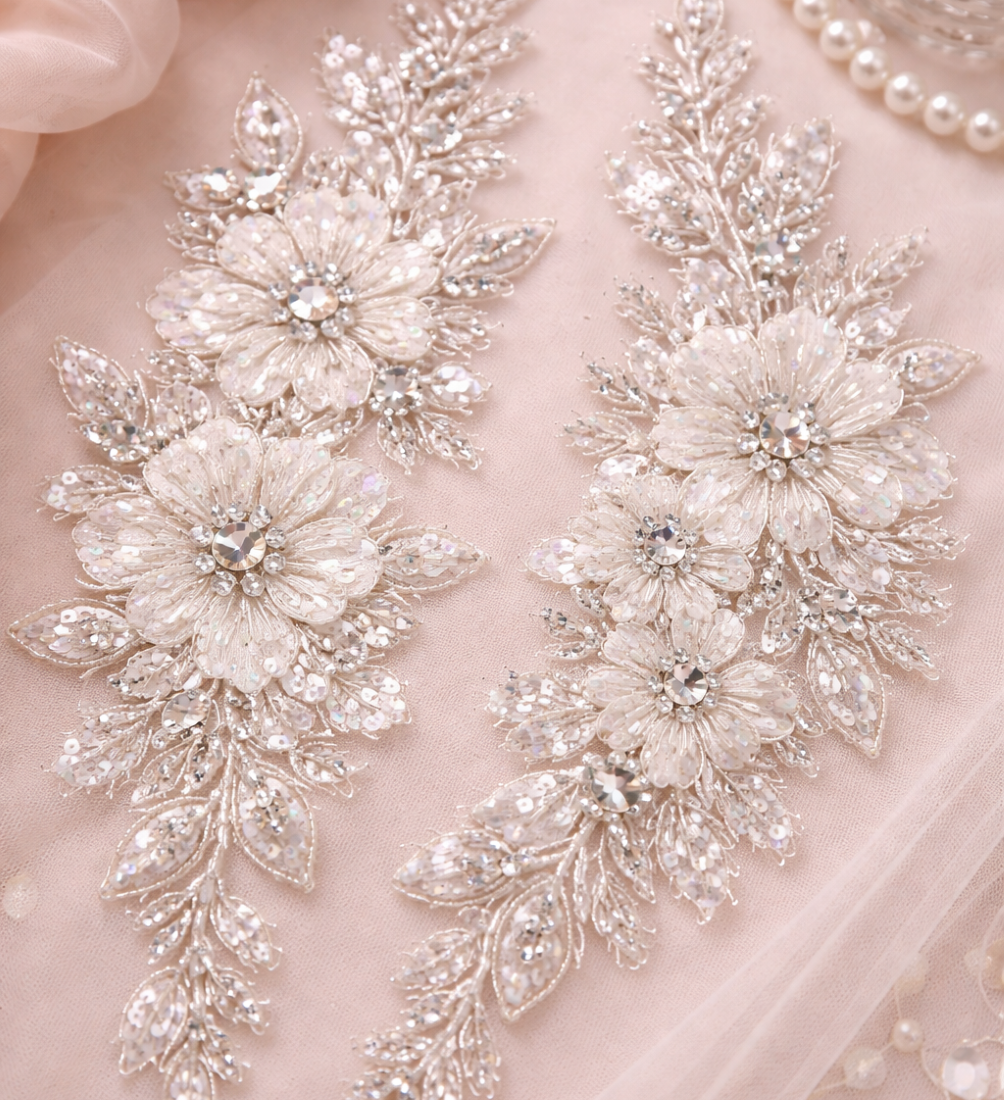
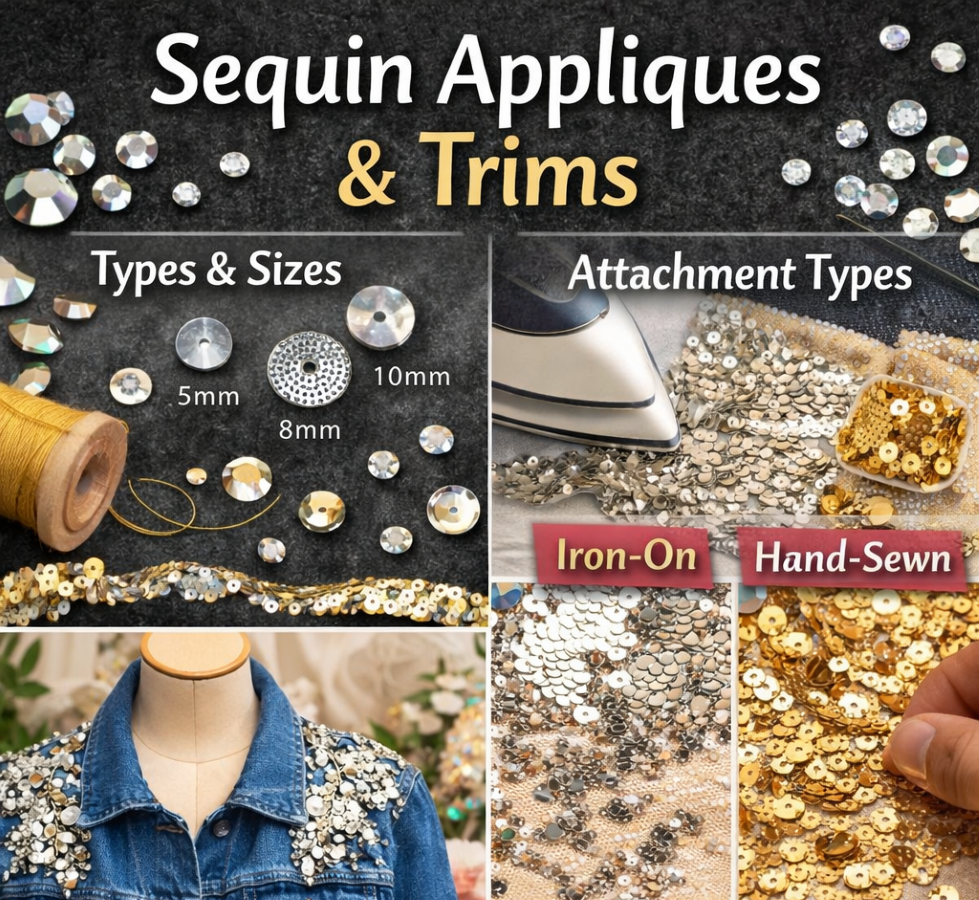
Sequin appliques are decorative patches covered with small reflective discs. They are stitched or glued onto lace borders or fabric edges.
Typical shapes include:
-
Flowers
-
Leaves
-
Geometric patterns
-
Costume symbols
Benefits
-
Quick decoration without redesigning fabric
-
Good visibility in photos and stage lighting
-
Lightweight material
Many fashion designers use sequin appliques on sleeves or waist borders to create focal points.
Because the design is already made, you only need to attach it.
Beaded Appliques
Beaded appliques use glass or acrylic beads sewn onto fabric backing. These beads are arranged into patterns.
Common placements include:
-
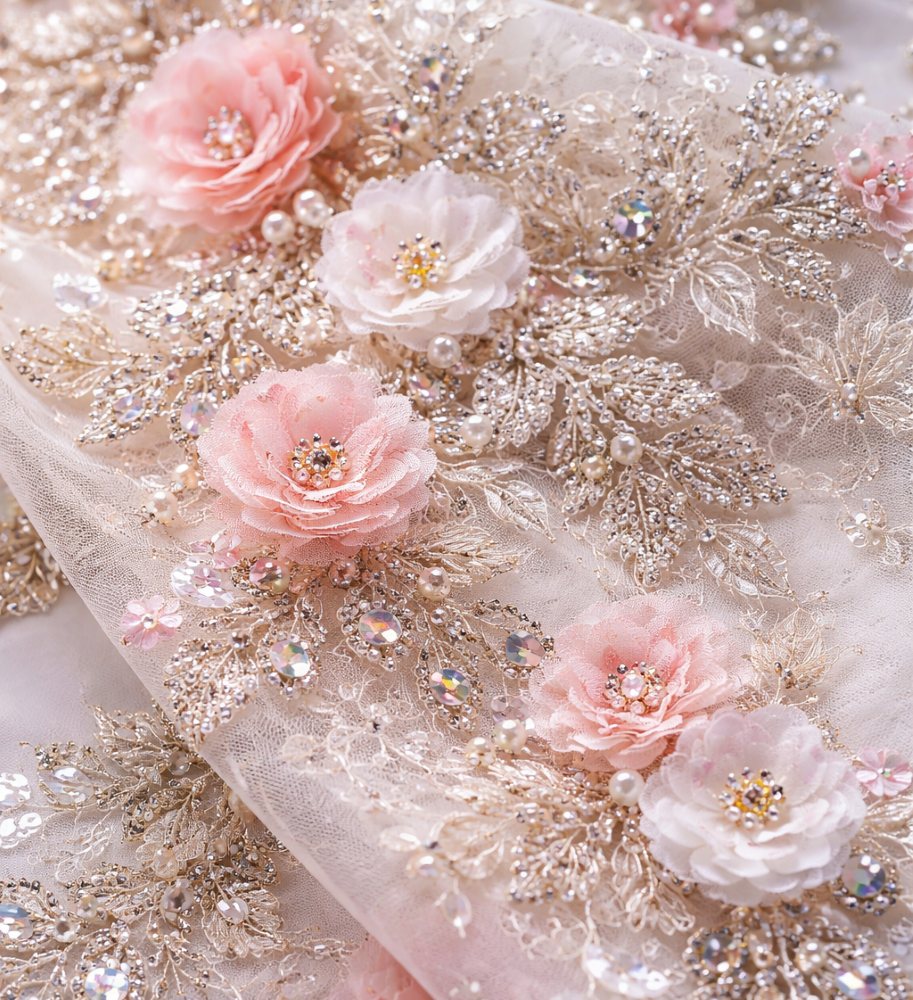
Bridal gown borders
-
Formal dress hems
-
Cultural clothing designs
Durability tests from jewelry suppliers like Fire Mountain Gems show that well-stitched glass beads can handle repeated wear without cracking.
Advantages
-
Strong decorative texture
-
Long-lasting surface detail
-
Works well with lace borders
Beaded lace edges are common in bridal and event clothing because they provide visual detail along hems.
Rhinestone Appliques
Rhinestone appliques use reflective stones attached to fabric backing. These stones may be glass or acrylic.
They are popular in:
-
Dance costumes
-
Jackets
-
Stage outfits
-
Accessories
Rhinestones reflect light strongly, making them effective for stage performance clothing.
Benefits
-
High visibility under lights
-
Durable surface coating
-
Available as sew-on or iron-on versions
Quality rhinestones can stay secure through many gentle wash cycles.
Practical Tips for Using Lace Borders
If you plan to add lace and appliques to your projects, keep these tips in mind.
-
Stitch lace borders before adding appliques
-
Use strong polyester thread for durability
-
Avoid placing heavy beads on very thin fabric
-
Test trims on scrap fabric first
These small steps prevent common sewing problems.
Most importantly, start simple. Even a short lace border with a small applique can transform a plain edge.
Real-World Examples and Case Studies
Real craft projects show how lace border designs improve both appearance and sales.
Let’s look at a few examples.
Case Study 1: Etsy Bridal Shop
A small Etsy bridal shop tested two dress styles.
The first version used plain satin edges. The second version added lace borders with small sequin appliques.
Over a four-month period the decorated design showed:
-
28% higher product clicks
-
34% higher sales
-
More customer photos in reviews
Buyers often mentioned the lace border detail in their comments.
The shop owner reported that customers felt the decorated design looked more complete.
Case Study 2: eBay Costume Seller
A costume seller on eBay tested lace borders on dance skirts.
Original skirts had simple hems. The updated version added beaded lace borders and rhinestone appliques.
Results after three months showed:
-
Revenue increase of about 35%
-
More repeat customers
-
Higher product ratings
Dance performers preferred the decorated skirts because rhinestones reflected stage lights.
Case Study 3: Pinterest Craft Project
A DIY bridal belt project shared on Pinterest used lace border fabric combined with small sequin appliques.
The post gained more than ten thousand saves in six months.
Many users commented that the lace border made the accessory look professional even though it was a simple sewing project.
This example shows how decorative edges attract attention in online images.
Case Study 4: Home Sewing Experiment
A home sewist compared two tote bag designs.
Bag one used plain cotton edges. Bag two added lace trim and a rhinestone applique.
During a local craft fair the decorated bags sold faster.
Buyers said the lace border made the bag look finished and gift-ready.
This small experiment showed how edge decoration can change customer perception.
Across these examples the pattern is clear.
Decorated borders increase visual interest. They also improve product photos and customer response.
FAQs
1. Are lace borders easy to sew?
Yes. Most lace trims can be stitched using a standard sewing machine.
2. Can beaded appliques fall off easily?
If they are stitched correctly with strong thread they stay secure during normal use.
3. What fabric works best with lace borders?
Cotton, satin, chiffon, and polyester blends all work well.
4. Are rhinestone appliques safe for washing?
Many are washable on gentle cycles, but hand washing is safer.
5. Do sequin appliques add much weight?
Most sequins are lightweight and do not affect garment comfort.
6. Where should I place appliques on a border?
Common locations include hem edges, sleeve ends, waistlines, and neckline corners.
7. Are these decorations beginner friendly?
Yes. Many beginner sewing kits include trims and appliques because they are simple to attach.
8. Do decorated edges improve product sales?
Many online sellers report higher clicks and better reviews when decorative trims are added.
Conclusion
Let’s return to the problem many crafters face.
You finish sewing a project, but the edges still look plain. The design feels incomplete. Sometimes trims fail after washing, which leads to frustration.
These problems are common in sewing and craft work.
The good news is that there is a practical solution.
Lace border designs with sequin appliques, beaded trims, and rhinestone patches provide a reliable way to upgrade edges. They add texture and detail without requiring advanced sewing skills.
Real examples from Etsy shops, costume sellers, and DIY projects show the same result. Decorated borders attract attention and often increase product interest.
They also help your designs stand out in photos. This matters when you sell products online or share projects on social media.
And the process is simple.
Attach a lace border to a hem. Add a small applique. Test a few rhinestones along the edge.
Even small changes can improve the overall look of your project.
So if you want your next sewing piece to look more finished, try these embellishments.
Start your project now and see how a better border can transform your design.