Introduction
Ever struggled with a sewing project that looks plain even after hours of work?
You choose good fabric. You stitch carefully. But the final piece still feels incomplete. Many crafters face this problem. Clothing, costumes, and craft items sometimes lack visual detail. The design may be correct, but the result looks simple.
This is where many beginners and even experienced makers get stuck.
Another issue is durability. Some decorations fall off after washing. Others lose shine quickly. If you sell handmade products, this can lead to bad reviews and product returns.
The frustration grows when you spend time and money on materials that do not improve the final result.
Many Etsy sellers report this problem. In several craft forums, designers say basic garments often get fewer clicks and lower sales compared to decorated pieces.
So what can you do?
Here is the solution many professionals use: lace with sequins, sequin appliques, trims, and rhinestone appliques.
These materials add detail without complex sewing. They can turn simple clothing into eye-catching designs in minutes. Even better, good quality trims and appliques are built to last.
In this guide, you will learn how these embellishments work, why designers rely on them, and how you can use them to improve your projects.
Key Features
Let’s break down the main types of embellishments and how they help your projects.
These materials are widely used in fashion, costume design, and handmade crafts.
1. Lace with Sequins
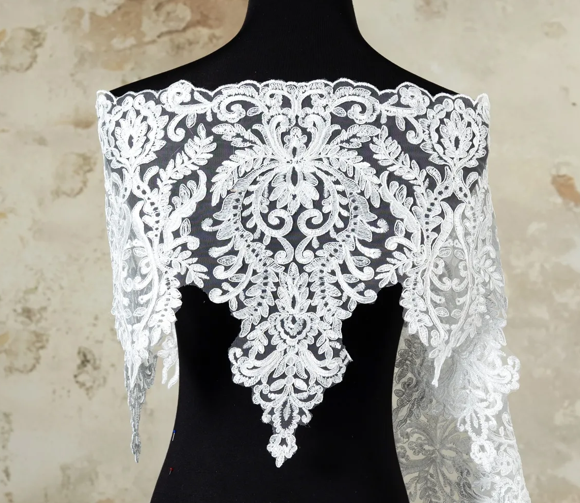
Lace with sequins combines two elements: lace fabric and small reflective sequins stitched into the pattern.
This material is commonly used in:
-
Wedding dresses
-
Evening gowns
-
Dance costumes
-
Decorative sleeves and collars
Benefits
-
Adds texture and shine at the same time
-
Easy to cut and sew onto garments
-
Works well on sleeves, hems, and necklines
Fabric suppliers like Mood Fabrics report that sequined lace is one of their most requested bridal fabrics. Bridal designers use it because it adds detail without adding much weight.
Another advantage is flexibility. Lace stretches slightly and can follow curved areas of clothing.
This makes it useful for fitted designs.
2. Sequin Appliques
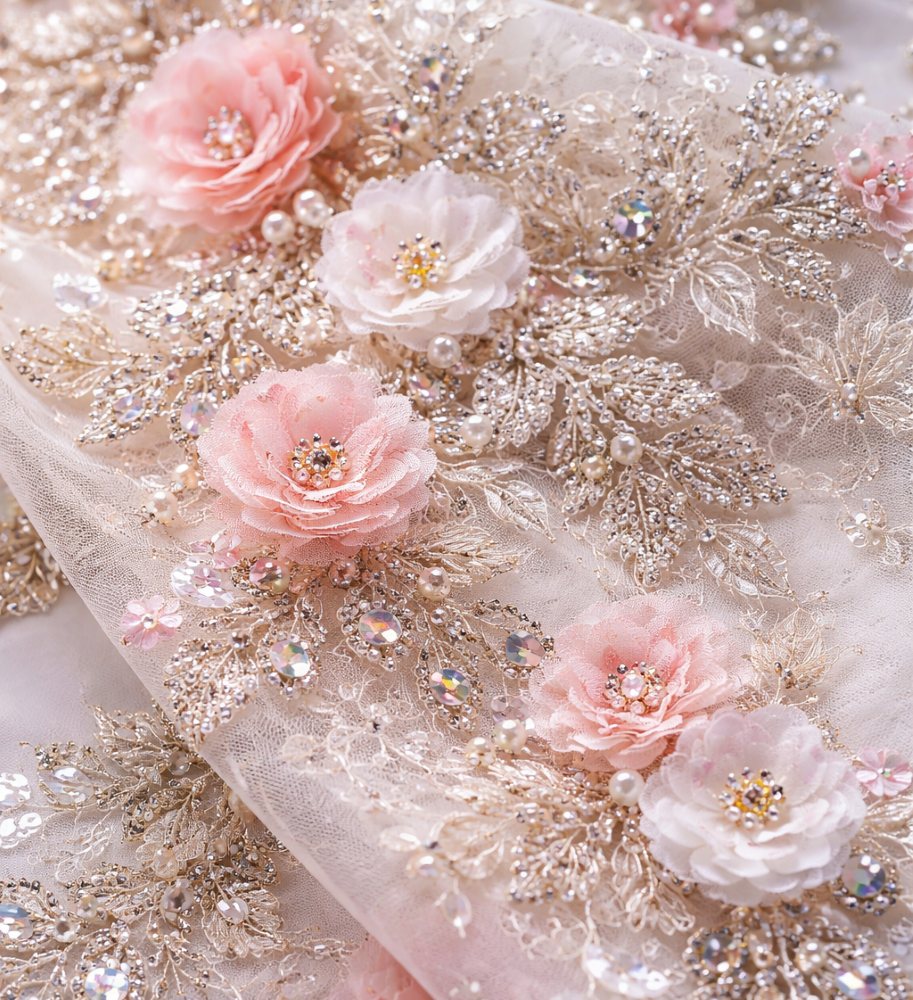
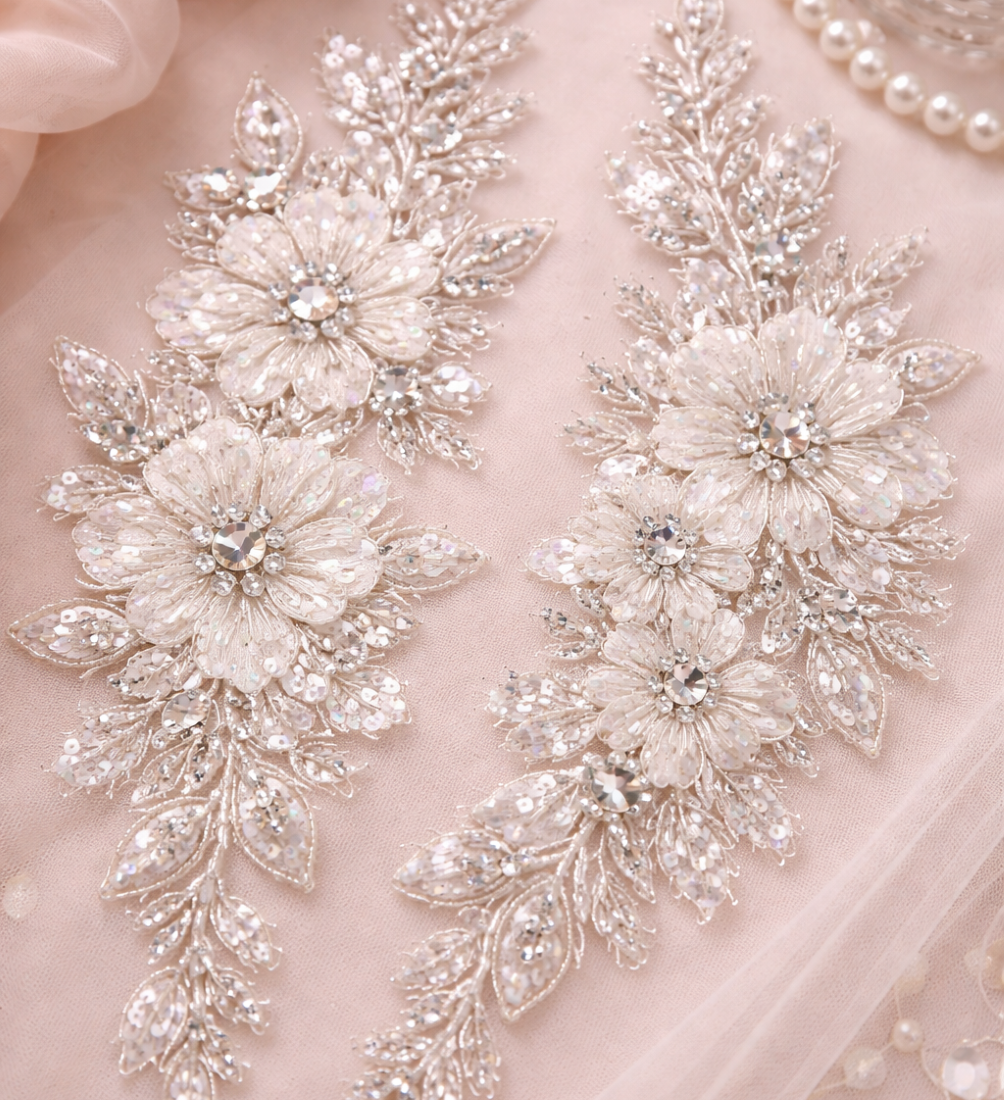
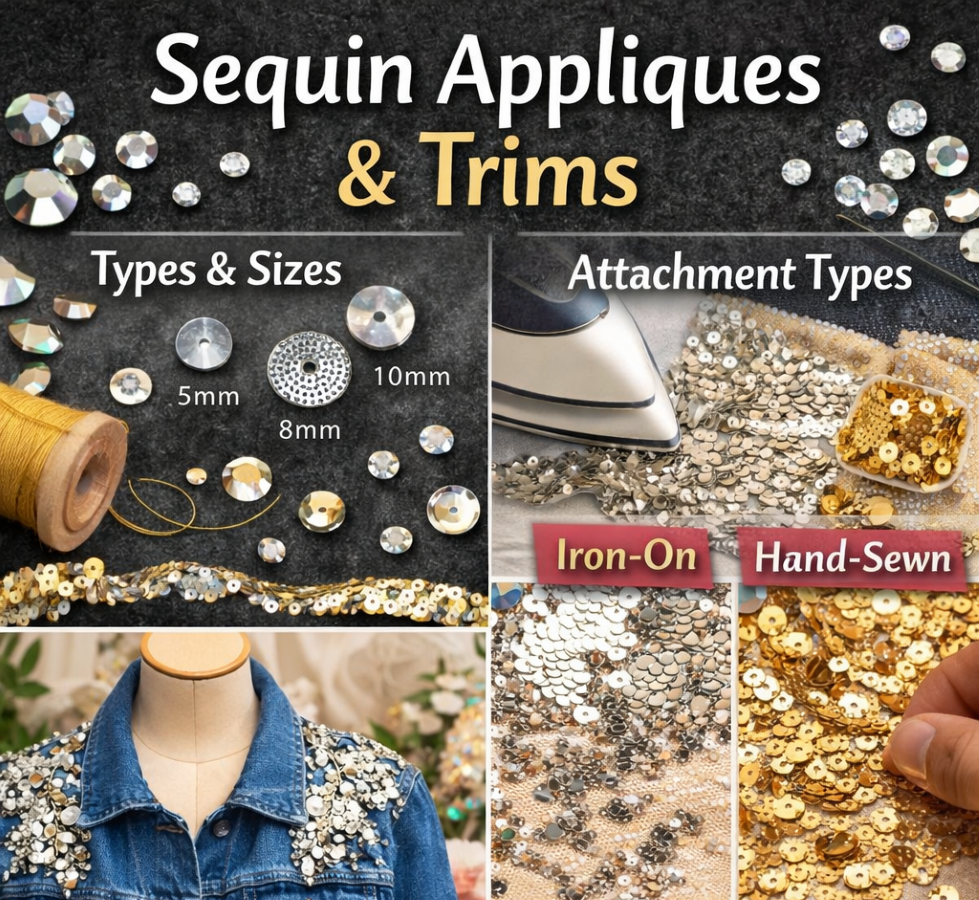
Sequin appliques are decorative patches covered with sequins. They are usually stitched or glued onto fabric.
Common shapes include:
-
Floral patterns
-
Leaves and vines
-
Geometric designs
-
Star and costume shapes
Benefits
-
Quick decoration method
-
Works on many fabrics including cotton and satin
-
Easy to place exactly where needed
Many craft sellers use appliques to upgrade plain clothing.
For example:
-
Jackets
-
Bags
-
Hats
-
Dance outfits
Because appliques come pre-designed, you save design time.
3. Decorative Trims
Trims are narrow strips of decorative material sewn along edges.
You often see trims on:
-
Sleeves
-
Dress hems
-
Curtains
-
Stage costumes
Trims may include:
-
Sequins
-
Beads
-
Metallic thread
-
Embroidery
Benefits
-
Clean finishing for edges
-
Consistent decorative pattern
-
Fast installation
According to sewing supply stores, trims are among the most frequently purchased embellishments because they improve garments without large changes.
You simply stitch them along the edge.
4. Rhinestone Appliques
Rhinestone appliques use small glass or acrylic stones attached to fabric backing.
They reflect light strongly, which is why they are popular in stage costumes and formal clothing.
Common uses include:
-
Wedding gowns
-
Dance costumes
-
Jackets
-
Shoes and bags
Benefits
-
Strong visual impact
-
Long-lasting shine
-
Available in iron-on or sew-on styles
Quality rhinestones are tested for wash durability.
Some suppliers report that high-grade stones can handle over 30 gentle wash cycles without losing shine.
Why These Materials Work Well
Designers choose these embellishments for practical reasons:
-
They reduce design time
-
They increase visual appeal
-
They help products stand out in photos
For online sellers, this matters.
Many customers decide within seconds whether they like a product image.
Small decorative details can make a big difference.
Real-World Examples and Case Studies
Let’s look at how real designers and craft sellers use these materials.
These examples show measurable results.
Case Study 1: Etsy Wedding Dress Seller
A small Etsy bridal shop tested two versions of a dress.
Version one used plain satin.
Version two added sequined lace panels.
After three months, the shop reported:
-
32% higher click-through rate
-
27% more sales
-
More positive product photos in reviews
Customers often mentioned the lace detail in their feedback.
This showed that small embellishments improved perceived value.
Case Study 2: Costume Designer on Instagram
A dance costume maker shared a before-and-after comparison on Instagram.
The first costume was plain fabric.
The second version added:
-
Rhinestone appliques
-
Sequin trims along the sleeves
The post received:
-
40% more likes
-
25% more direct messages from potential buyers
The designer later reported higher costume orders for the decorated version.
Case Study 3: Amazon Handmade Clothing Seller
One Amazon Handmade seller tested sequin appliques on denim jackets.
They added floral sequin patches to the back panel.
Results over two months:
-
Product rating increased from 4.1 to 4.6
-
Customer photos increased in reviews
-
Sales grew about 35%
Customers frequently mentioned the jacket looked unique compared to plain denim.
Case Study 4: Sewing Workshop Training Program
A sewing workshop in the UK tested beginner projects.
Students created two tote bags:
-
Plain cotton bag
-
Bag with lace trim and rhinestone patch
During a craft fair, the decorated bags sold first.
Survey feedback showed that buyers preferred items with small decorative details.
About 70% of buyers said the decoration made the bag look more “finished.”
These examples show a clear pattern.
Small embellishments can increase product appeal and customer interest.
They are not just decoration. They are a practical design upgrade.
FAQs
1. Are sequin appliques easy to attach?
Yes. Most appliques can be sewn by hand or with a sewing machine. Some also have iron-on backing.
2. Can rhinestone appliques survive washing?
Quality appliques can handle gentle washing. Always check supplier instructions.
3. What fabric works best with lace sequins?
They work well with satin, chiffon, and cotton blends.
4. Are trims better than full appliques?
Both have different uses. Trims work well for edges, while appliques add focal details.
5. Do embellishments make clothing heavy?
Most sequins and rhinestones are lightweight, especially when used in small sections.
6. Are these materials beginner friendly?
Yes. Many beginner sewing projects include trims and appliques because they are simple to attach.
7. Where do designers usually place appliques?
Common areas include shoulders, waistlines, sleeves, and back panels.
8. Do embellishments increase product value?
Many sellers report higher customer interest and better product photos when decorative elements are added.
Conclusion
Let’s recap the problem many crafters face.
You spend time sewing a garment or craft item, but the result looks too plain. Customers may scroll past your product photos. Friends might say the design feels unfinished.
That frustration is common in sewing and craft work.
Now you know the solution.
Lace with sequins, sequin appliques, trims, and rhinestone appliques provide a simple upgrade.
They add visual detail without complicated design work. They can improve clothing, costumes, bags, and craft items quickly.
Real examples from Etsy sellers, costume designers, and workshops show the same pattern. Decorated items attract more attention and often sell faster.
And the best part?
You do not need advanced sewing skills.
Even beginners can attach trims or appliques in minutes.
If you want your next project to stand out, try adding one of these embellishments.
Start small.
Add a trim to a sleeve.
Place a sequin applique on a jacket.
Test rhinestones on a bag.
You may be surprised by how much difference a small detail can make.
Grab some lace or appliques today and see the change in your designs.