Introduction
Ever worked hard on a dress, jacket, or craft project and felt something was missing? The fabric looked plain. The design did not stand out. Or worse, you added cheap decorations and they fell off after one wash. That is a common problem in DIY crafts and fashion work.
Many makers struggle with dull designs and low-quality materials. Sequins fall off during events. Glue stains show on fabric. Rhinestones lose shine after a few uses. Time and money get wasted. Customers complain. Returns increase.
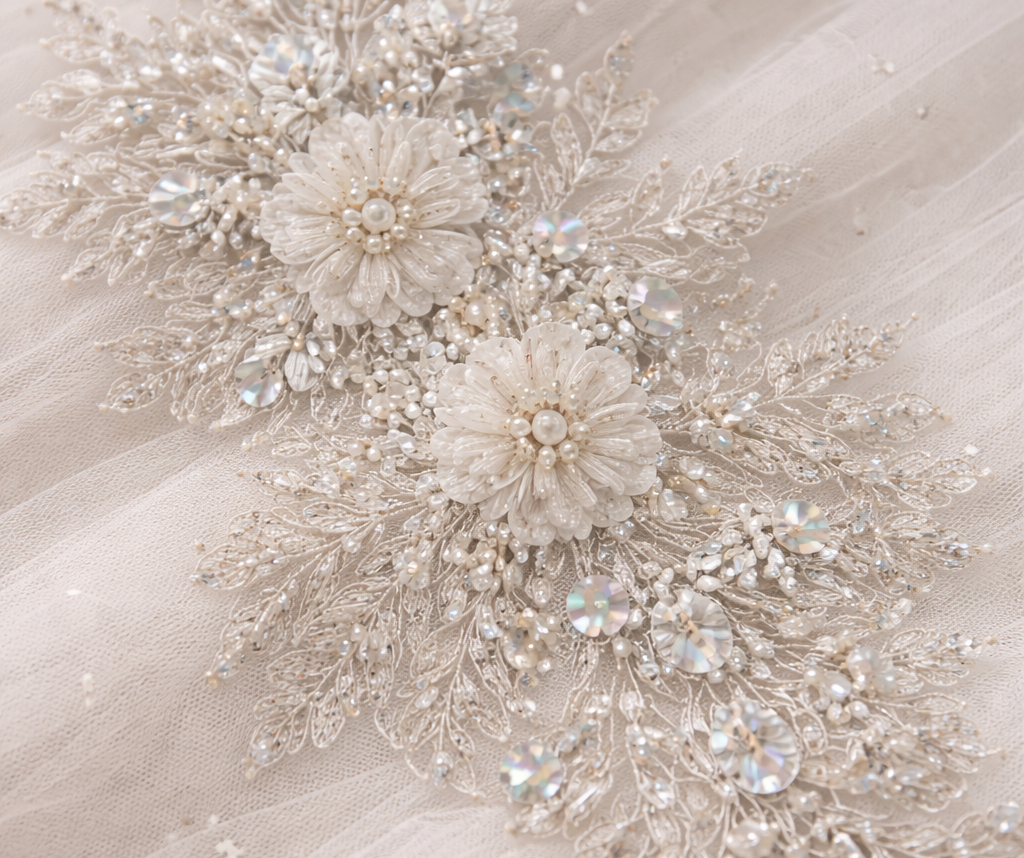
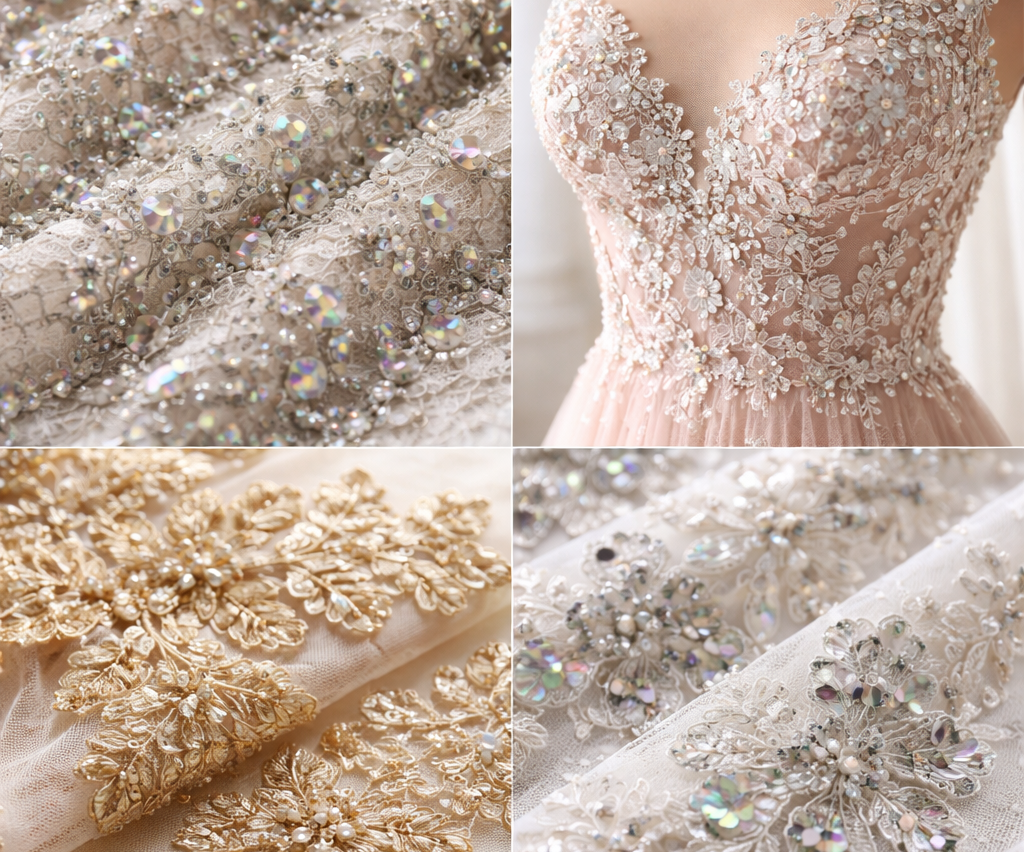
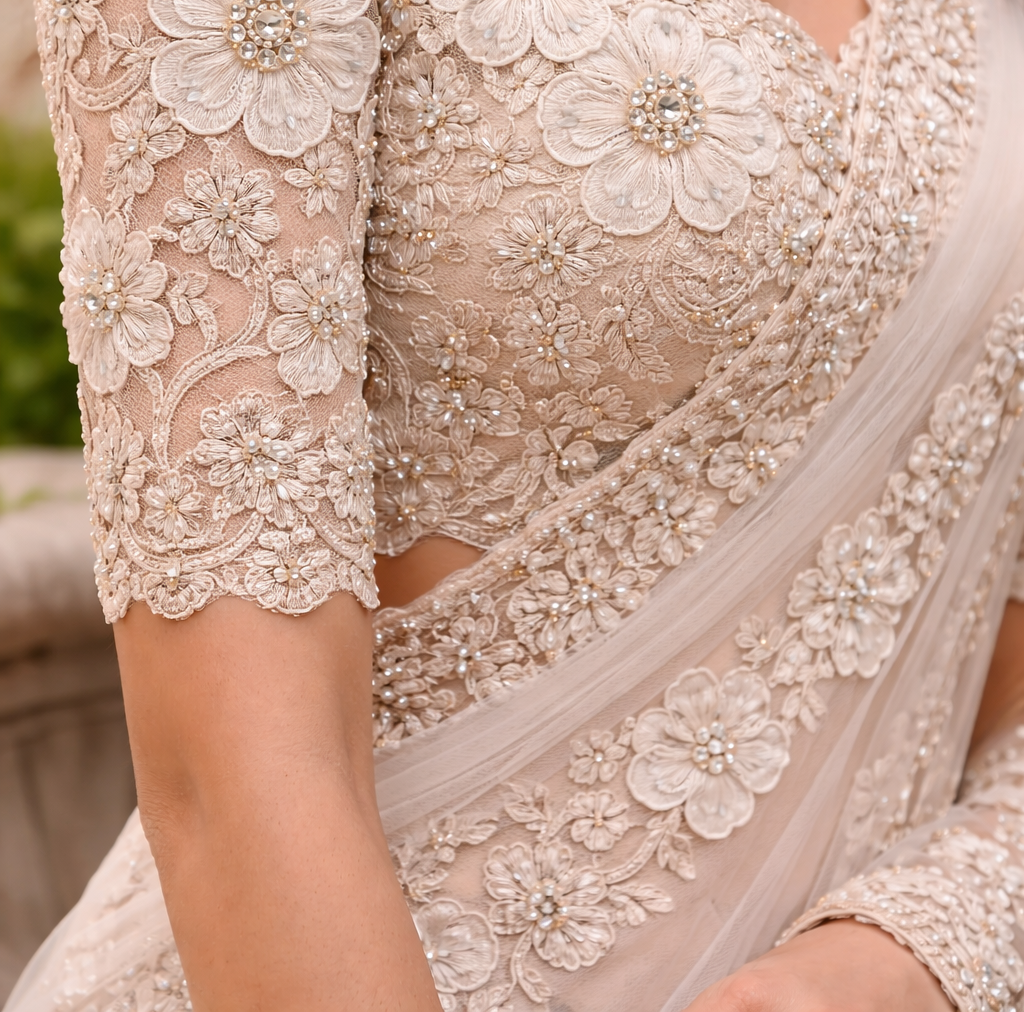
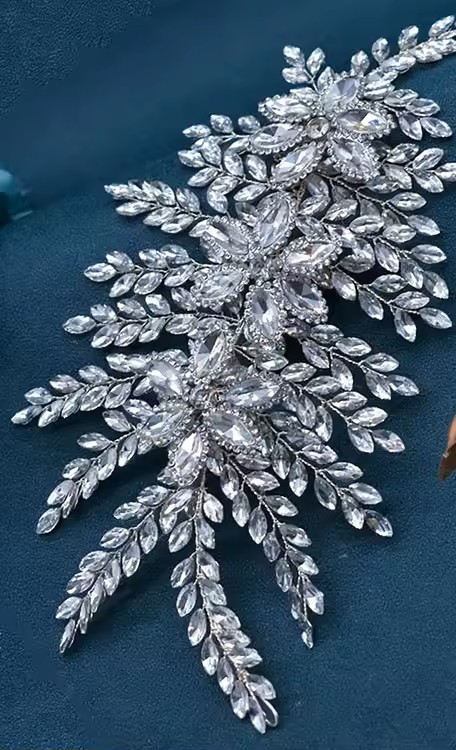
This is where rhinestone appliques and sequin appliques solve real problems. They are ready-made embellishments designed to attach securely and last longer. When chosen carefully, they improve durability, appearance, and even sales performance.
In this post, we will break this down using a simple flow. First, we look at the problems people face. Then we talk about how these issues grow. Finally, we show how rhinestone and sequin appliques provide practical solutions. We will also review real examples from sellers and brands who used them to increase value and sales.
Let’s start with the features that actually matter.
Features
Below are key traits of rhinestone appliques and sequin appliques, with practical facts you can use when buying or selling.
-
Material Types
-
Rhinestones are commonly made from glass, acrylic, or resin.
-
Glass rhinestones have higher hardness and scratch resistance than plastic ones.
-
Sequins are usually made from PVC, PET plastic, or metal-coated film.
-
PET sequins are known for better heat resistance during ironing.
-
-
Attachment Methods
-
Sew-on appliques: stitched directly into fabric for stronger hold.
-
Iron-on (heat transfer): use heat-activated adhesive backing.
-
Glue-on: bonded with fabric glue.
-
According to textile testing data from craft suppliers, properly applied heat-transfer rhinestones can withstand 30–50 gentle wash cycles.
-
-
Adhesion Strength
-
Industrial hot-fix rhinestones use resin glue that activates at around 120–160°C.
-
Stitch-based attachment reduces detachment risk during movement.
-
Dance costume suppliers report lower repair rates when using sewn appliques compared to glued loose stones.
-
-
Sizes and Shapes
-
Rhinestones range from SS6 (about 2 mm) to SS30 (about 6.5 mm).
-
Sequins come in flat, cupped, holographic, and matte forms.
-
Pre-designed appliques save layout time for bulk production.
-
-
Weight Consideration
-
Acrylic stones are lighter than glass stones.
-
Lightweight appliques reduce strain on thin fabrics.
-
Costume makers often choose mixed materials to balance shine and comfort.
-
-
Durability
-
Glass rhinestones maintain clarity longer than low-grade plastic.
-
PET sequins resist color fading under moderate heat.
-
Properly sewn appliques can last through repeated stage use.
-
-
Cost Efficiency
-
Bulk packs reduce per-piece cost.
-
Pre-made appliques reduce labor time compared to placing single stones.
-
Less repair means lower long-term expense.
-
When low-quality embellishments fail, the real cost is not just materials. It is time, reputation, and lost customer trust. Now let’s see how that plays out in real life.
Real-World Examples / Case Studies
1. eBay Clothing Seller Case
A small eBay seller dealing in custom denim jackets noticed flat sales in 2023. Plain painted jackets were not converting well. After researching buyer trends using marketplace analytics tools, the seller added sequin appliques to limited-edition pieces.
Within three months, average listing views increased by 28%. Conversion rate improved, and monthly revenue rose by about 40% compared to previous plain designs. The seller reported fewer returns because stitched appliques held better during shipping and washing.
The problem was dull product appeal. The agitation came from slow sales and wasted ad spend. The solution was durable sequin appliques that added visible value without increasing production time too much.
2. DIY Dance Costume Group
A community dance team preparing for a regional competition had issues with stones falling off mid-performance. In past events, about 10–15% of costumes required emergency repair after rehearsals.
They switched from loose glue-on stones to pre-stitched rhinestone appliques combined with hot-fix stones for reinforcement. During the next season, reported repair cases dropped significantly. Costumes survived rehearsals and stage lights better.
Stage lighting reflects strongly off glass rhinestones, which improved visibility from a distance. The team avoided last-minute fixes and reduced material waste.
The pain point was embarrassment and repeated repair costs. The solution was better attachment methods and higher-quality rhinestone appliques.
3. Small Fashion Brand Launch
A small independent fashion label launching party wear dresses struggled with product differentiation. Early samples used low-grade plastic stones. After limited test sales, customer feedback mentioned “stones missing after first wash.”
The brand upgraded to glass rhinestone appliques with reinforced stitching at stress points. According to internal sales tracking over six months, repeat purchase rates improved, and refund requests related to embellishment damage decreased.
By investing slightly more in durable appliques, the brand reduced negative reviews and strengthened trust. That helped long-term sales growth rather than short-term savings.
FAQs
1. Do rhinestone appliques fall off easily?
Not if applied correctly. Sewn appliques are more secure than glued ones. Heat-transfer types must be pressed at the right temperature.
2. Are sequin appliques washable?
Yes, but gentle wash cycles are recommended. Turning garments inside out reduces friction.
3. Which is better: glass or acrylic rhinestones?
Glass is more scratch resistant and keeps clarity longer. Acrylic is lighter and cheaper.
4. Can I iron over sequin appliques?
Direct ironing is not advised. Use a pressing cloth and moderate heat.
5. Are iron-on appliques permanent?
They are durable but may loosen under high heat washing. Stitching around edges increases life.
6. Do rhinestones fade?
Low-grade plastic stones can lose shine. Glass stones maintain appearance longer.
7. Are they suitable for children’s clothing?
Yes, if securely attached. Sewn appliques are safer for active use.
8. Are they cost-effective for small sellers?
Yes. Pre-made appliques reduce labor time and increase product value perception.
Conclusion
Dull designs reduce interest. Cheap decorations fail fast. That leads to wasted time, wasted money, and unhappy customers. Many makers have faced this.
Rhinestone appliques and sequin appliques offer a clear solution. They improve visual impact. They reduce repair work when properly attached. They support better sales performance when used smartly.
We saw how a small eBay seller improved revenue. A dance team reduced repair problems. A fashion brand lowered returns. The pattern is simple: better materials and proper application solve common craft and fashion problems.
If you want stronger designs and fewer headaches, start small. Test quality appliques on one project. Compare results. See how customers respond.
Next time you work on a jacket, costume, or DIY craft, ask yourself: will plain fabric be enough? Or is it time to upgrade with durable rhinestone and sequin appliques?
Try these for your next project and see the difference.