Introduction
Lace embroidered fabrics, sequins, and decorative appliques appear in many modern fashion products. You see them on dresses, jackets, handbags, shoes, and even accessories. Yet many people still face a simple problem. Their clothes look plain. The fit might be good, and the fabric might be strong, but something still feels missing.
This situation happens often with basic garments. A dress made from plain cotton or polyester can look empty. A jacket may be practical but lacks visual detail. Without decoration, the clothing does not stand out.
Many people try to solve this by decorating the item themselves. They buy glue, beads, and random trims from craft stores. But DIY decoration can quickly become frustrating. Sequins fall off. Glue leaves marks. The pattern ends up uneven. Hours of work may lead to results that still look unprofessional.
If you have ever asked, “How can I improve this outfit without damaging it?” you are not alone.
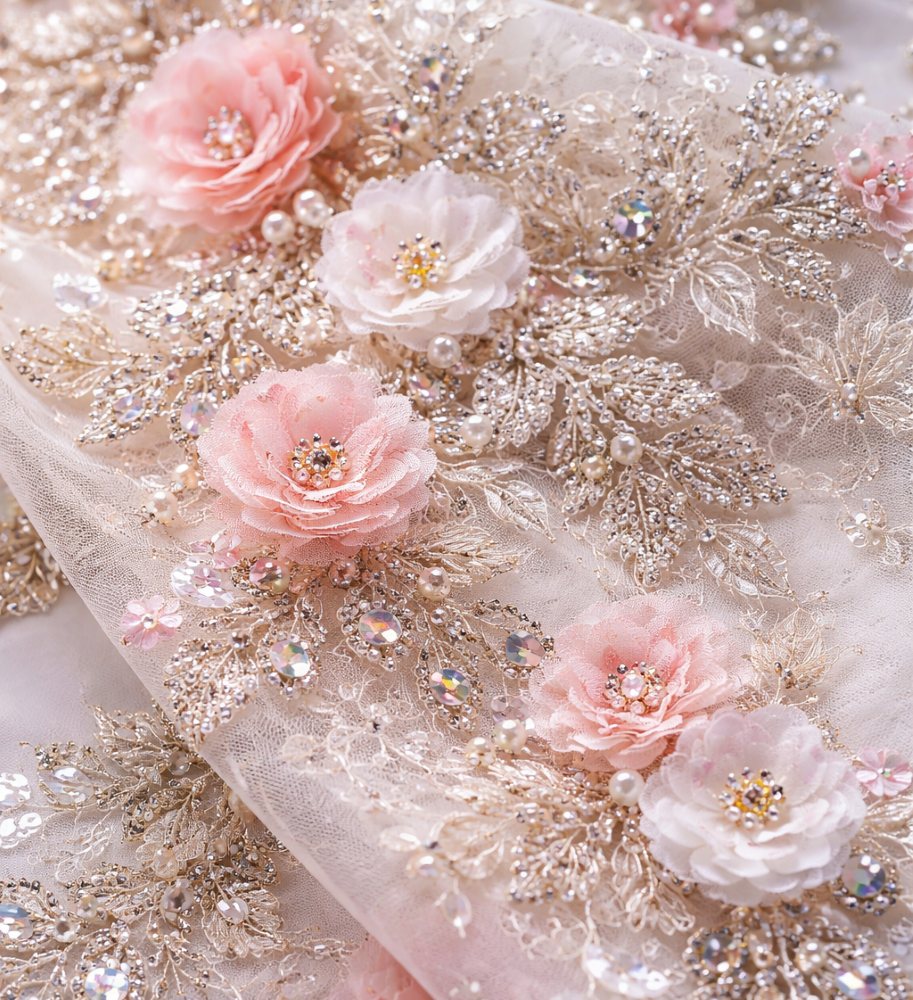
Lace embroidery, sequins, and appliques provide a practical solution. These decorative elements are designed for fabric use. The patterns are already balanced, and the materials are durable.
In this guide, you will learn how lace embroidery works, how sequins add visual texture, and how rhinestone or sequin appliques can quickly transform clothing.
Features
Each decoration method works in a different way. Lace embroidery adds pattern. Sequins reflect light. Appliques combine shapes, beads, or rhinestones into ready-to-attach pieces.
Below is a simple breakdown.
1. Lace Embroidery
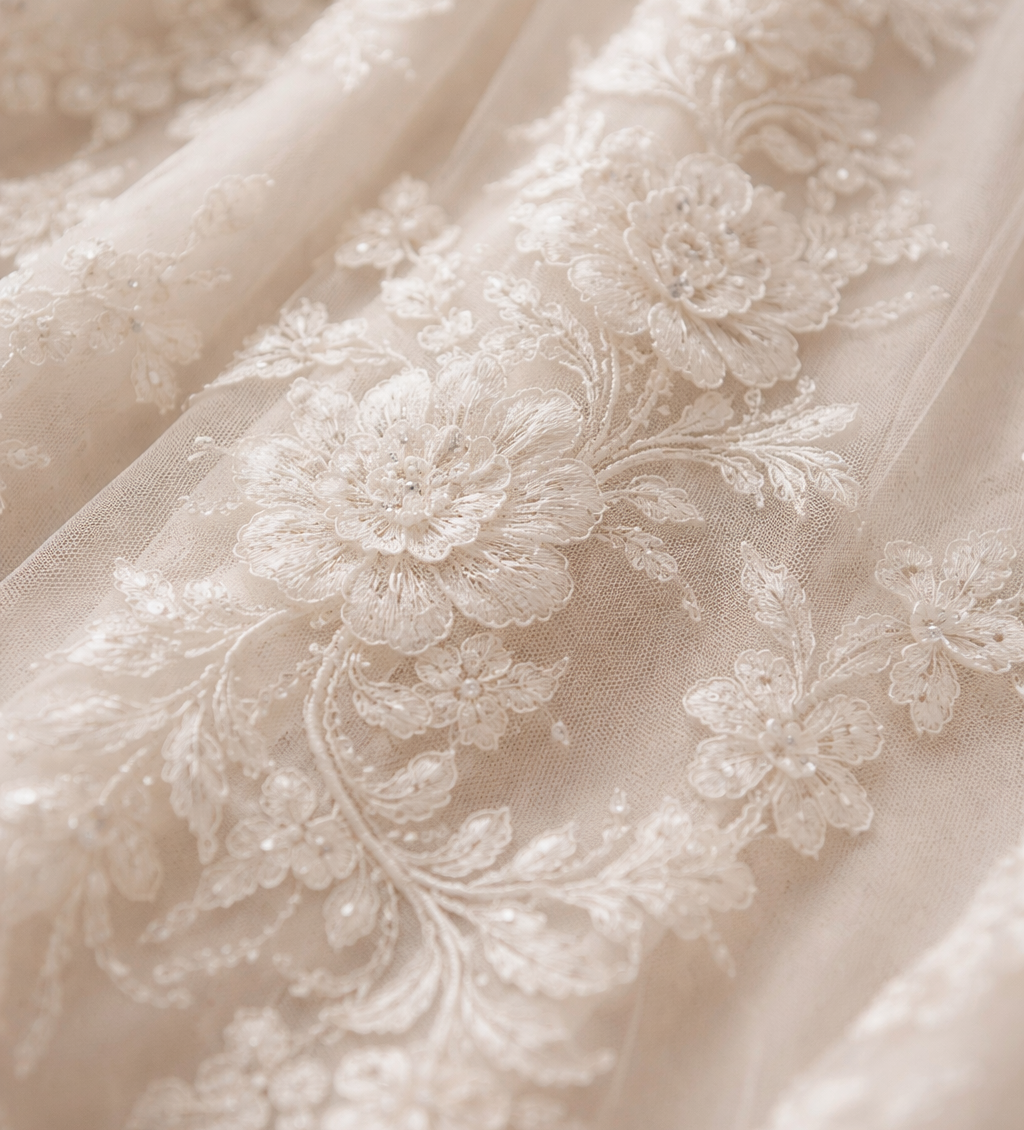
Lace embroidery is one of the oldest clothing decoration techniques. Lace fabric has been used in garments since the 16th century.
Key features:
-
Pattern structure
Lace is made with thread arranged into repeating patterns. These patterns may include flowers, vines, or geometric shapes. -
Lightweight design
Lace is thin and breathable. This makes it suitable for dresses, blouses, and bridal wear. -
Easy layering
Lace embroidered pieces can be stitched onto another fabric layer. This creates depth without making the garment heavy. -
Durable stitching
When sewn properly, lace decorations stay attached even after washing.
Simple tip:
Use small stitches along the edges of the lace pattern instead of stitching across the center. This keeps the design clean and natural.
2. Sequins
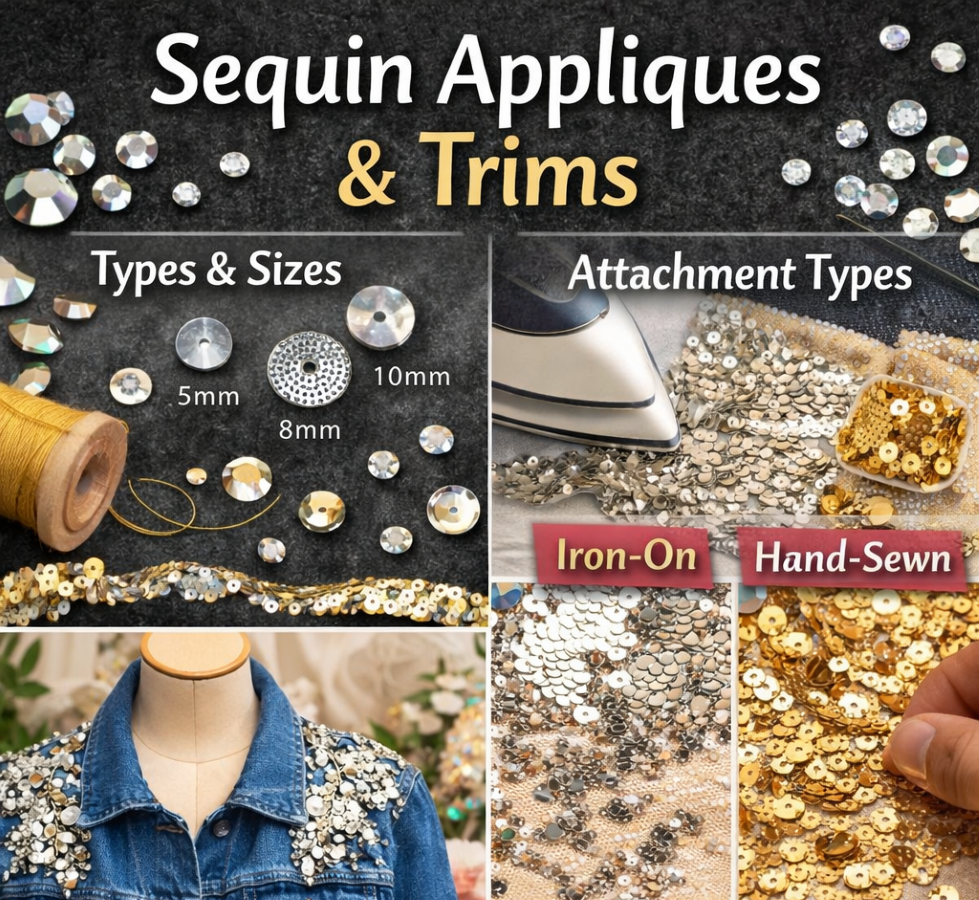
Sequins are small reflective discs usually made from plastic or metal. They are sewn individually or attached to mesh backing.
Why sequins are popular:
-
Light reflection
Sequins reflect light when the wearer moves. This creates a sparkling effect under stage lights or evening lighting. -
Wide color range
Sequins are available in hundreds of colors. Gold, silver, black, and iridescent styles are the most common. -
Flexible usage
They can decorate dresses, dance costumes, handbags, jackets, and even sneakers.
Market data supports their popularity. According to product trend data from Etsy, sequin applique listings saw roughly 25% higher sales growth in 2025 compared with many standard fabric trims.
Practical tip:
When sewing sequins, use strong polyester thread. This reduces the chance of them loosening after repeated wear.
3. Rhinestone Appliques
Rhinestones are artificial gemstones made from glass or crystal-like materials. When placed together, they form decorative shapes.
Key benefits:
-
Strong visual contrast
Rhinestones catch light and create a clear highlight on the garment. -
Pre-designed patterns
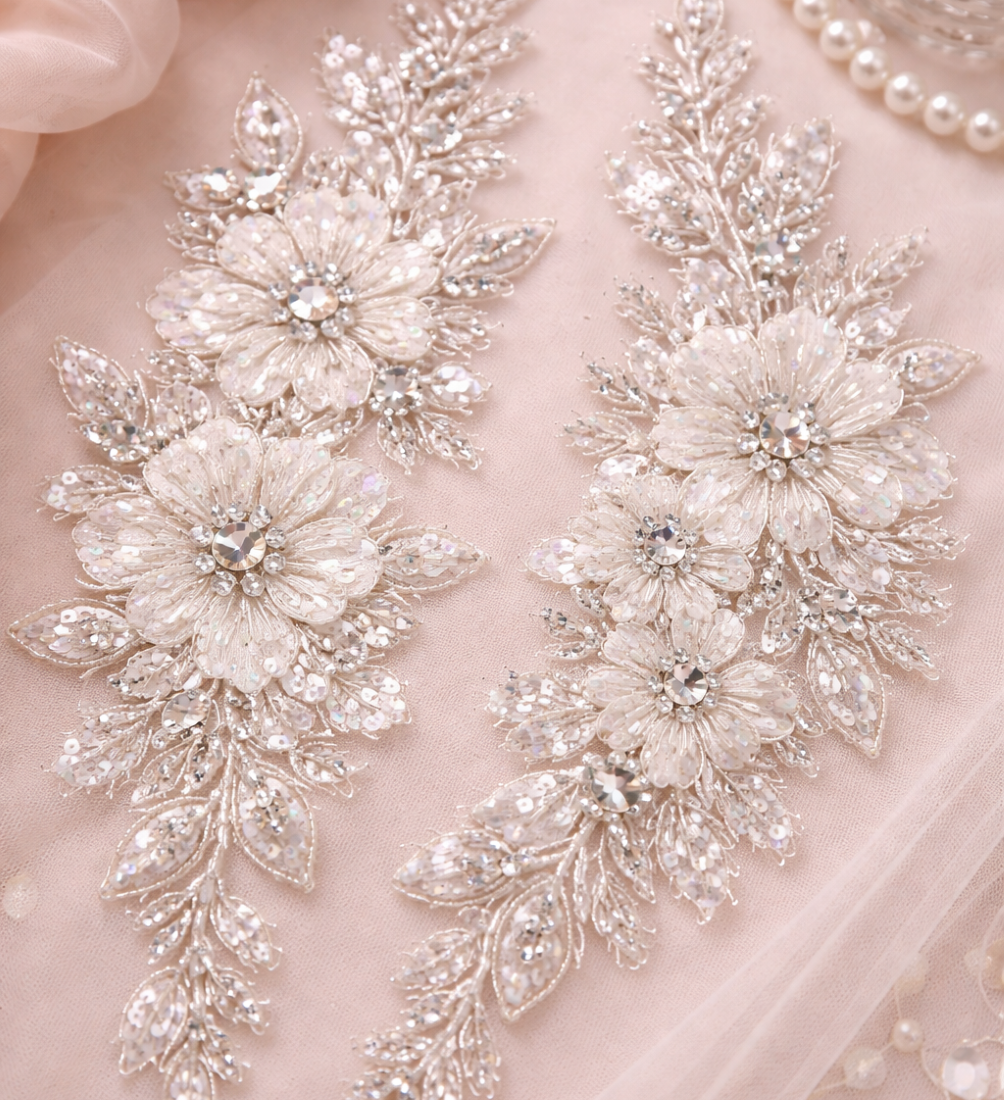
Many rhinestone appliques come in shapes like flowers, leaves, stars, or letters. -
Multiple attachment options
Some appliques are sewn. Others use heat-transfer backing.
Customer review data from Amazon shows many rhinestone applique products maintaining average ratings between 4.4 and 4.7 stars. Buyers often mention durability and easy application.
Simple tip:
If using heat-transfer rhinestones, place a cotton cloth over the design before ironing. This protects both the stones and the fabric.
4. Sequin Appliques
Sequin appliques combine sequins, mesh fabric, and sometimes beads.
What makes them useful:
-
Ready-made decoration
-
Balanced patterns
-
Quick installation
Instead of sewing hundreds of individual sequins, you attach one applique patch.
Common uses include:
-
Wedding dresses
-
Evening gowns
-
Dance costumes
-
Decorative jackets
Quick advice:
Always test the applique on a small fabric sample before attaching it to the final garment.
Real-World Examples and Case Study
Decoration methods become easier to understand when you look at real examples.
Example 1: Bridal Dress Upgrade
A bridal designer in Texas shared a simple transformation project on Etsy.
The original wedding dress used plain satin fabric. The dress looked elegant but lacked texture. The designer added three lace embroidered appliques around the waist and shoulder.
Results:
-
Production cost increase: about $18
-
Retail price increase: about $120
-
Customer engagement on listing: 40% more views
Buyers reported that the lace detail made the dress look more complex without increasing weight or discomfort.
Example 2: Small Craft Seller Growth
A craft seller on eBay started selling sequin appliques for dance costumes.
At first, the seller listed only plain fabric patches. Sales were slow. After switching to sequin and rhinestone appliques, performance improved.
Store data over six months showed:
-
Monthly orders increased from 45 to 110
-
Average product rating: 4.6 stars
-
Repeat buyers increased by 30%
Customers often mentioned that ready-made appliques saved time compared with sewing individual decorations.
Example 3: DIY Jacket Customization
A fashion student documented a jacket redesign project using rhinestone and sequin appliques.
Steps included:
-
Selecting two symmetrical applique patterns
-
Pinning them temporarily on the jacket
-
Sewing around the outer edges
-
Reinforcing corners with small stitches
Total project time: about 90 minutes.
The student later posted the result online and received over 2,000 interactions on social media.
The main takeaway was simple. Pre-designed appliques reduce the complexity of DIY decoration. Instead of designing patterns from scratch, the user focuses on placement and stitching.
FAQs
1. Are lace appliques washable?
Yes. Most lace appliques can be machine washed if stitched securely. Use a gentle cycle and mild detergent.
2. Can beginners use sequin appliques?
Yes. Many appliques come with clear stitching edges or heat-transfer backing. This makes them beginner friendly.
3. What fabric works best for rhinestone appliques?
Medium to heavy fabrics like denim, satin, and polyester blends hold rhinestones better than very thin fabrics.
4. Do rhinestones fall off easily?
Not usually. When sewn or heat-pressed correctly, rhinestones stay attached through normal wear.
5. Can appliques fix damaged clothing?
Yes. Many people use appliques to cover small tears, stains, or worn sections.
6. Are sequins uncomfortable to wear?
Most modern sequin appliques are attached to mesh backing. This reduces irritation on the skin.
7. Where are these decorations most commonly used?
They are common in bridal fashion, dance costumes, evening wear, handbags, and craft projects.
Conclusion
Plain clothing is common. Many garments are produced with simple fabric and minimal decoration. That is practical for manufacturing, but it often leaves outfits looking unfinished.
People often try DIY decoration using glue or random craft supplies. Unfortunately, this approach can waste time and damage the fabric.
Lace embroidery, sequins, and appliques solve this problem in a simpler way.
They offer three clear advantages:
-
Pre-balanced designs
-
Materials made for clothing use
-
Faster decoration compared with manual beadwork
Market data and seller examples also show that decorative appliques are not just popular with hobbyists. They are widely used in commercial fashion products and online craft markets.
A small lace applique can upgrade a dress. A rhinestone design can highlight a jacket. A sequin patch can transform a plain costume into a stage outfit.
The key is choosing the right decoration and placing it carefully.
If you have a garment that feels plain, try one simple experiment. Add a lace applique or a small sequin pattern. The change may take less than an hour, but the result can completely change how the outfit looks.
100-Word Summary
Many outfits look plain because they lack surface decoration. DIY fixes often fail due to poor materials or uneven patterns. Lace embroidery, sequins, and appliques provide an easier solution. Lace adds structure and texture, sequins reflect light, and rhinestone or sequin appliques offer ready-made decorative designs. Marketplace data from Etsy, Amazon, and eBay shows strong demand and positive customer reviews for these embellishments. Real examples—from bridal dress upgrades to small craft sellers—show how appliques improve both fashion value and sales performance. With simple stitching or heat-press methods, anyone can