Introduction (Problem)
If you sell or make clothes, you’ve likely faced this: your product is good, the fit is right, the fabric is fine—but it doesn’t stand out when someone scrolls past it. That’s the main issue. In a busy market, a plain look can make even a well-made item blend in. Many brands now use bold decoration—like corded embroidery, rhinestone appliques, and sequin trims—to grab attention fast. This isn’t just a small trend. The decorated apparel market was worth about USD 28.98B in 2023 and is expected to keep growing, thanks to demand for custom and detailed products[Grand View Research].
So, how do you add texture and shine without causing production problems or quality issues?
Agitate (Why the problem gets worse)
A plain product doesn’t just miss attention. It can cause a chain reaction:
It hurts online sales. On most shopping sites, your first image is key. If the garment looks plain, people don’t click. Fewer clicks mean fewer chances to sell, no matter how good the item is.
It makes customers doubt the value. When people can’t see the work, they question the price. Texture details—like corded embroidery, sequin appliques, and rhinestone appliques—show that extra effort without needing a long explanation.
It can lead to returns if trims fail. Nothing hurts trust faster than a sequin patch lifting or rhinestones falling off after one wash. Even if the base garment is fine, weak application can cause complaints. Many care guides suggest gentle washing and avoiding harsh cycles for rhinestone decoration to reduce loss and damage[Crystal Parade+1].
It wastes time if the method is wrong. Some decoration ideas look great on paper but slow you down. For example, trying to make a raised cord look with dense stitching can increase stitch counts and cause thread breaks. Embroidery software makers often highlight that reducing stitch count and trims can boost productivity—one Wilcom example even claims major improvements when designs are planned for efficiency[Wilcom].
That’s the challenge: you want impact, but you also need a method that works in real production.
Solution: Use the right mix of corded embroidery, appliques, and trims
Instead of forcing one technique to do everything, think of decoration like a toolkit:
Corded embroidery for raised lines, clean edges, and structured detail
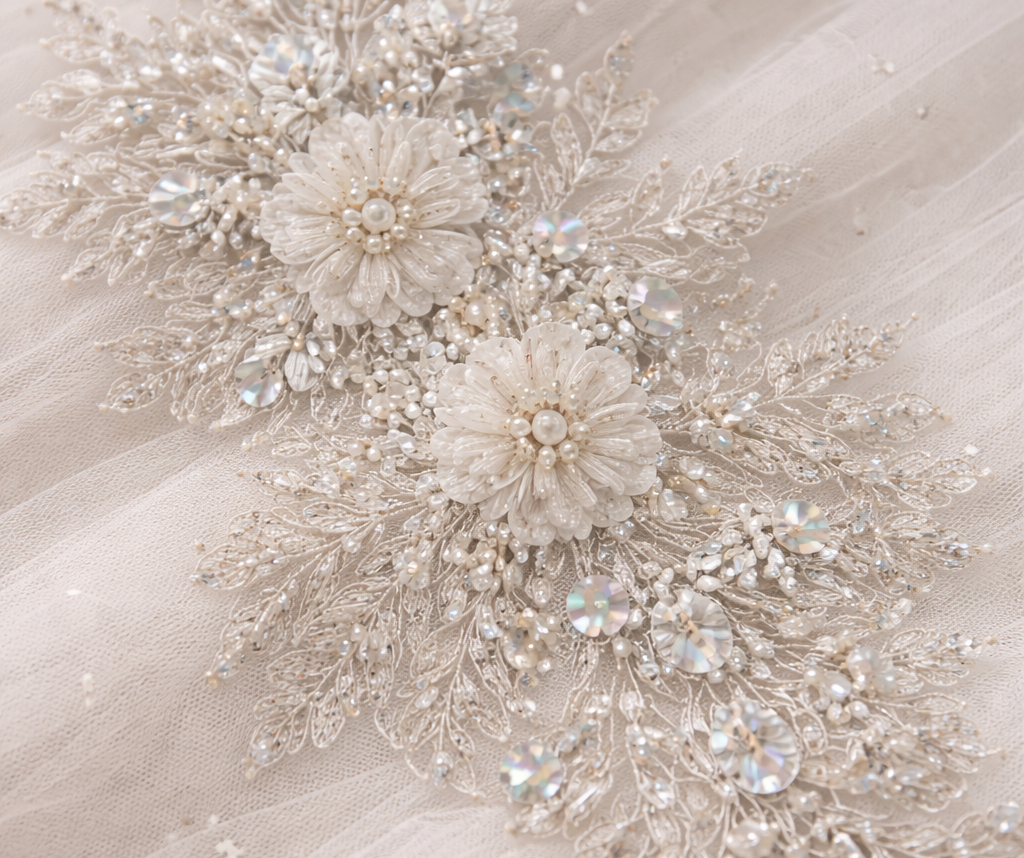
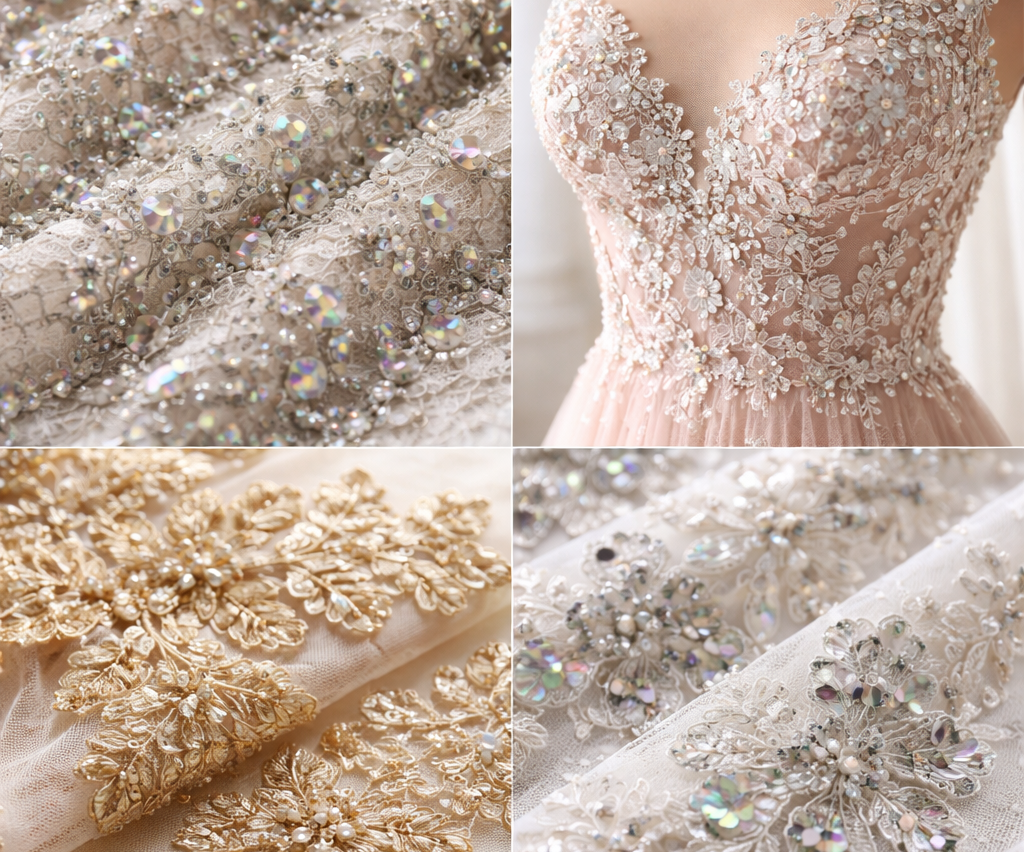
Sequin appliques and sequin trims for quick shine and sparkle
Rhinestone appliques for targeted light-catching accents
Trims (braids, piping, fringes, ribbons) to add finish, shape, and contrast
Below is how each one helps, where it fits best, and how to avoid common problems.
Features and Benefits
1) Corded Embroidery (often done with couching)
What it is: Corded embroidery means laying a cord (or yarn) on the fabric and stitching it down. This is also called couching, where a thread or cord is secured to the surface using small stitches[Threads+1].
Key benefits:
Adds texture without heavy stitching
Clean lines that show up well in photos
Great for logos and outlines, especially for bold borders
Where it works best:
Sweatshirts and hoodies (corded lines pop on fleece)
Jackets, varsity styles, and streetwear panels
Caps and bags where a raised edge adds structure
Practical notes:
Plan for corners and stops. Some machine workflows suggest treating design sections like color blocks so the machine stops cleanly between elements[bernina.com+1].
Choose the cord thickness that matches your fabric and needle setup (test first).
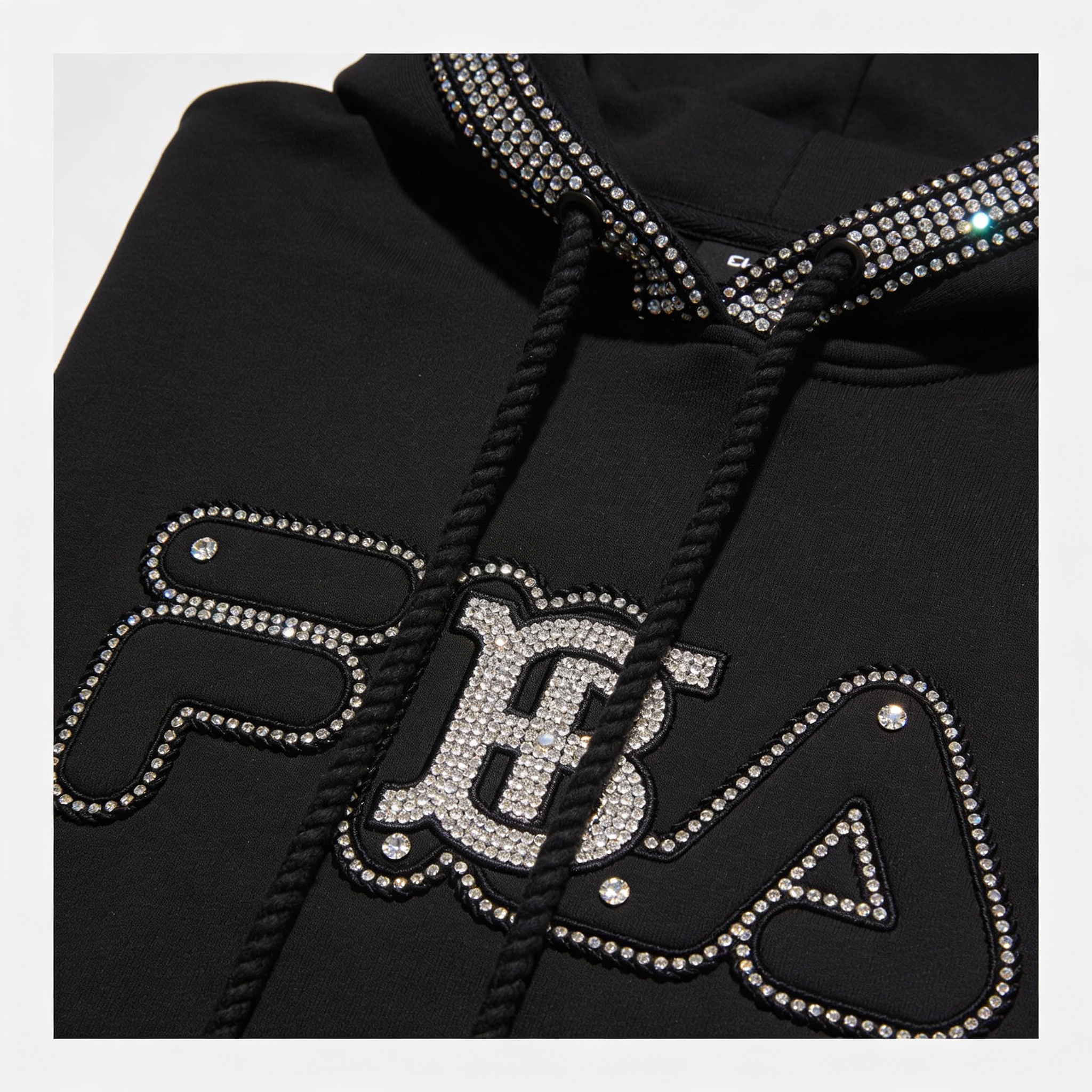
Easy pairing: Corded embroidery outline + rhinestone appliques on a small area (like a letter center or emblem) gives contrast: matte texture + point shine.
2) Sequin Appliques
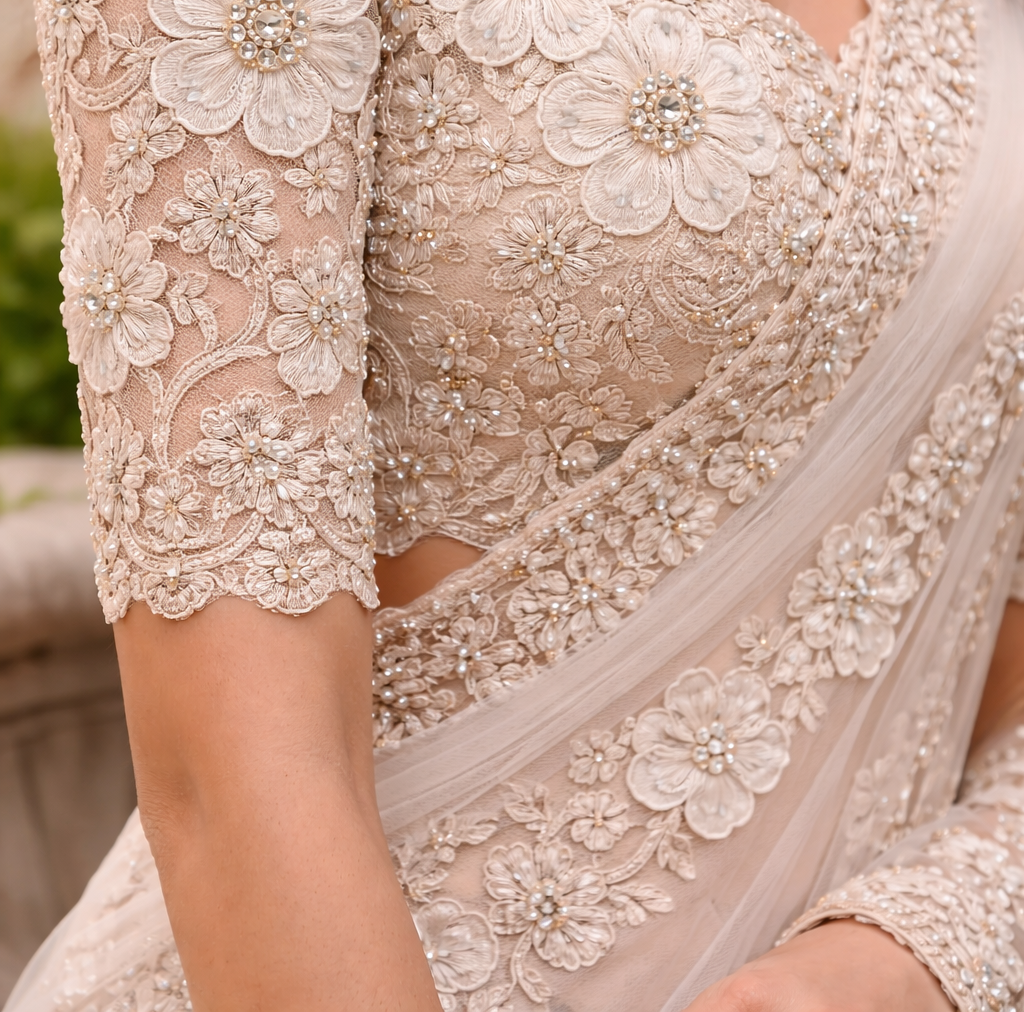
What they are: A sequin applique is a patch or motif with sequins attached (stitched or bonded) that you add to a garment.
Key benefits:
Fast visual impact (sequins stand out in photos)
Easier for many teams than full sequin embroidery
Flexible placement (you can use the same patch on different garments)
Application options:
Heat press / iron-on: Often used for speed, but edge security matters. Some guides recommend pressing correctly, cooling fully, and adding a few stitches at edges for long-term durability—especially for frequently washed items[PB-Patch.com+1].
Sew-on: Slower, but often more secure for high-movement areas.
Easy pairing: Center sequin applique + corded embroidery border around it (corded edge helps frame the patch and can hide seam lines).
3) Sequin Trims
What they are: Sequin trims are strips (often on tape) used on hems, side seams, straps, sleeves, and costume edges.
Key benefits:
Predictable cost per meter/yard
Quick upgrade for simple silhouettes
Great for movement (stage, dance, festive wear)
Where they work best:
Dance costumes and performance wear
Occasionwear accents (neckline, cuff, slit edge)
Accessories like clutches, belts, hair pieces
Watch-outs: Sequins can snag. Placement matters—avoid high-friction zones (inner thigh seams, underarm panels) unless your trim is designed for it.
4) Rhinestone Appliques (and how to keep them on)
Rhinestone appliques add sharp points of shine. They work best when you treat application and care as part of the design.
Practical application standard (real brand example):
One apparel brand care guide specifies hotfix application around 171°C (340°F) for ~40 seconds to create a strong bond (with testing on similar fabric first)[Oh Polly UK].
This shows a real production mindset: temperature, time, and testing—not guesswork.
Care basics (to reduce loss):
Multiple rhinestone care sources recommend gentle handling—often favoring cool water, mild detergent, and avoiding harsh cycles[magpiecrystals.co.uk+1].
Easy pairing: Add small rhinestone appliques as “highlights” around corded embroidery—like dots along a border or a small cluster at a logo peak—so you get shine without making the whole garment delicate.
5) Trims: the quiet workhorse
Trims aren’t only decoration. They also:
Finish raw edges
Reinforce stress points
Add contrast lines that shape the garment visually
Trims are not a niche side market. Industry reports show trims and accessories as a major supply category, with strong demand tied to garment manufacturing scale and customization trends[Apparel Resources+1].
Real-world Examples / Case Study
Case Study 1: Faster impact using a “decorated surface” strategy
Situation: A small streetwear label wants a hero hoodie that looks premium in photos, but they can’t afford long embroidery run times on every unit.
What they used:
Corded embroidery (couched outline) for the main graphic
A small rhinestone applique cluster on one focal point
Optional sequin trim detail on the hood edge for a limited run
Why this works (production logic):
Couching/corded embroidery can create bold lines without filling large areas with stitches. Couching is designed to lay thicker threads/cords on top of fabric and secure them with smaller stitches[Threads+1].
Planning for lower stitch count and fewer trims is a known efficiency lever in embroidery workflows (software companies publish examples focused on this)[Wilcom].
Outcome to measure: track run time per garment and rework rate (thread breaks, patch lifting, stone loss). Even without changing the base hoodie, surface design choices can change margin.
Case Study 2: Performance wear and durability rules (hotfix example)
Situation: A dance team needs sparkle under stage lights, but costumes are worn hard and cleaned often.
What they used:
Sewn sequin appliques on key zones
Hotfix rhinestone appliques as accents (not full coverage)
Avoided placing sequin trims in high-friction zones
Process standard pulled from real guidance:
Hotfix rhinestones are often applied with controlled heat/time (example: ~171°C/340°F for ~40 seconds from a brand care guide)[Oh Polly UK].
Care guidance commonly stresses gentle washing to protect stones and adhesive[magpiecrystals.co.uk+1].
Outcome to measure: stone loss per wash cycle, and repairs per event.
Case Study 3: Why sequins keep selling (market demand)
If you’re wondering whether sequins are “still a thing,” market tracking suggests ongoing demand. One industry forecast projects the sequins apparel market growing from about USD 15,999.0M (2025) to USD 29,473.0M (2035)[Future Market Insights].
You don’t need to chase every trend—but the data supports investing in reliable sequin appliques and sequin trims as a repeatable product option.
Frequently Asked Questions (FAQs)
What’s the difference between corded embroidery and regular embroidery?
Corded embroidery usually uses a cord/yarn laid on the fabric surface and stitched down (often via couching). Regular embroidery builds shapes with running, satin, or fill stitches. Couching is widely described as securing a laid thread/cord with smaller stitches[Threads+1].
Are sequin appliques better sewn or ironed on?
Sewn is often more secure, especially for heavy wear. Heat-applied can work well if applied correctly, but many patch guides still recommend extra edge stitching for long-term durability on frequently washed garments[PB-Patch.com+1].
Do rhinestone appliques fall off in the wash?
They can, especially with harsh cycles or poor bonding. Care guidance often recommends gentle washing and avoiding aggressive conditions to reduce stone loss[magpiecrystals.co.uk+1].
Can I mix corded embroidery, rhinestone appliques, and sequin trims on one item?
Yes—mixing is often the best approach. Keep it controlled:
Use corded embroidery for structure
Use rhinestones as highlights
Use sequin trims where friction is low
What should I test before full production?
At minimum:
Wash test (a few cycles with your real care method)
Stretch test (if knitwear)
Abrasion test (rub points like side seams and cuffs)
Heat test (if using hotfix/heat press)
Conclusion
If your products look flat, blend in online, or don’t justify their price at first glance, the fix often isn’t a new fabric or a new pattern. It’s the surface story.
Corded embroidery (especially couching-style work) adds raised lines and clean shape. Sequin appliques and sequin trims add fast shine and movement. Rhinestone appliques add sharp highlights—when applied with the right heat/time standard and cared for gently[Threads+2Oh Polly UK+2].
The best results usually come from mixing techniques with a clear plan: place shine where it performs, use trims where they won’t snag, and use corded embroidery where you want structure. That’s how you get impact people notice—and a product that holds up after the first wear and wash.