Introduction
Many people who enjoy DIY fashion or craft projects face the same problem. The design looks flat. A plain jacket, bag, or dress can feel unfinished. Some people try adding printed patches or iron-on decorations, but these often peel off after a few washes. Others try hand embroidery, but the process can take hours and the results may not stand out.
Another issue is durability. Cheap decorations can fall apart quickly. Sequins may drop after a few washes. Thread may loosen. Glue may stop working after heat exposure. According to sewing tutorials published by Brother Sewing Guides, decorative stitching with standard thread often loosens after repeated washing cycles unless reinforced with cord or thicker threads.
These problems lead many DIY creators to abandon creative upgrades. Old clothes stay unused in the closet. Craft projects look simple even after spending hours working on them.
But there is a practical solution that many designers and hobby crafters now use: corded embroidery, sequins, and appliques.
These techniques add structure and texture. Corded embroidery uses thicker cords stitched onto fabric to form raised patterns. Sequins reflect light and add visible highlights. Appliques add shaped decorative pieces that can be stitched or ironed onto clothing.
Together, these methods can transform ordinary items into custom designs. Think about upgrading an old denim jacket. A corded floral pattern along the back, a few sequin highlights, and a stitched applique patch can completely change the look.
Better materials also mean better durability. Quality sequins made from polyester film can handle up to 80–100 wash cycles according to garment durability tests referenced in craft manufacturing guides.
DIY creators are now using these methods not only for clothing but also for home décor, bags, shoes, and event decorations.
In this guide, we will explore how corded embroidery, sequins, and appliques work, why they solve common DIY problems, and how real creators have used them to increase craft sales and improve project quality.
Key Features of Corded Embroidery, Sequins, and Appliques
Corded Embroidery Basics
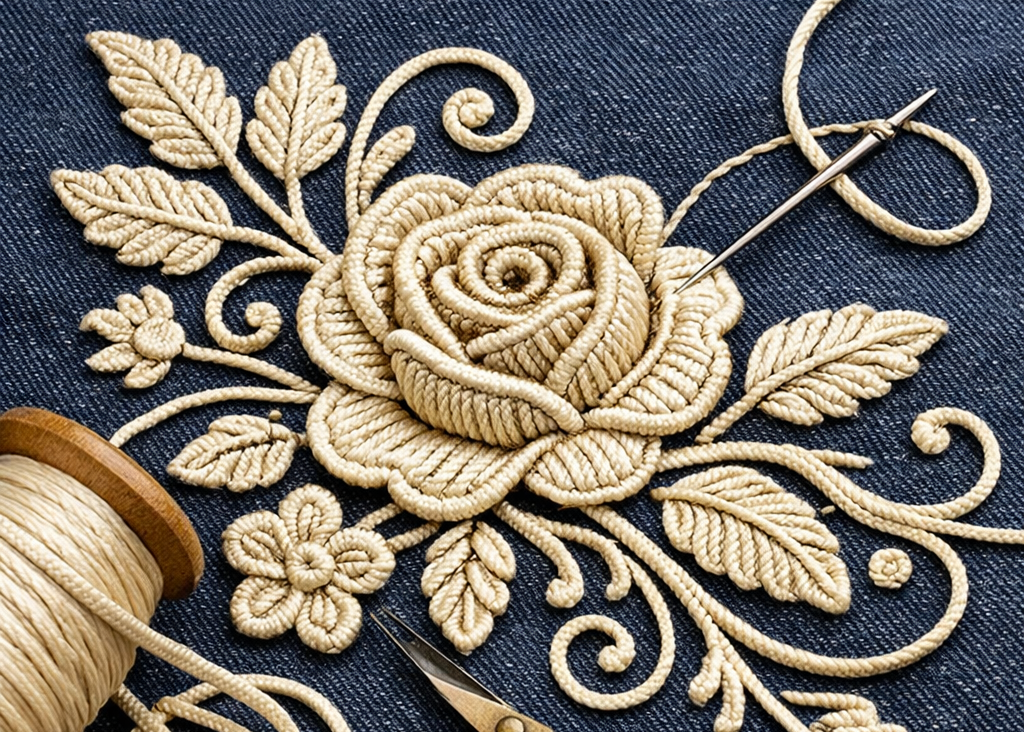
Corded embroidery is a technique where thicker cords or yarn are stitched onto fabric using decorative stitches. Instead of flat thread designs, the cord sits above the surface of the fabric.
This raised effect makes patterns easier to see from a distance. Many fashion brands use this technique for jackets, evening wear, and decorative accessories.
Common cords used in embroidery include:
-
Cotton cord (2–3 mm thick)
-
Polyester embroidery cord
-
Metallic cord used in decorative uniforms
-
Rayon cord used in fashion embroidery
These cords are usually attached using couching stitches, where small stitches hold the cord in place while the cord itself forms the design.
Benefits of corded embroidery include:
-
Strong structure
-
Less thread breakage
-
Visible texture
-
Longer durability
Because cords are thicker than normal thread, designs remain visible even after repeated washing.
According to embroidery production guides, corded designs can last twice as long as standard satin stitching before signs of wear appear.
Common DIY uses include:
-
Jacket back designs
-
Bag decoration
-
Traditional clothing patterns
-
Decorative pillows
Sequins for Light Reflection and Detail
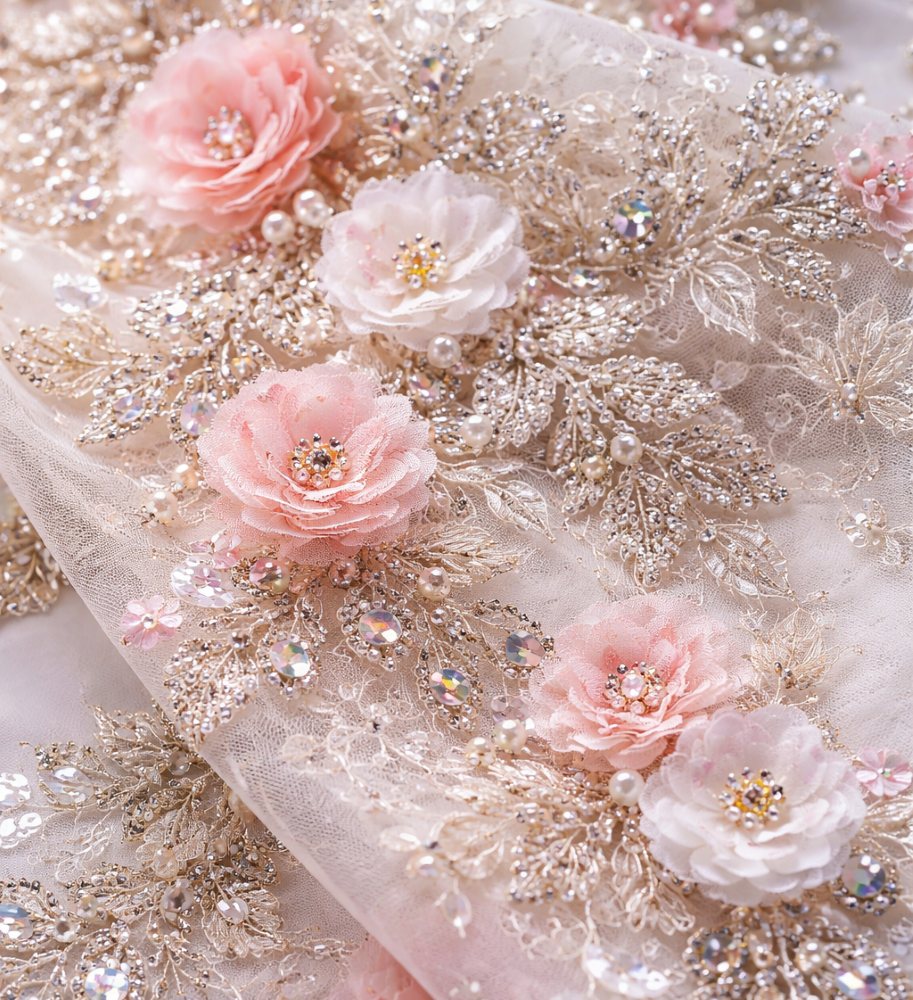
Sequins are small plastic discs that reflect light. They are widely used in fashion decoration and craft projects.
Most sequins range between 3 mm and 8 mm in diameter. They are usually made from thin polyester plastic film coated with reflective material.
In DIY crafts, sequins are applied in three main ways:
-
Hand sewing
-
Machine embroidery with sequin attachments
-
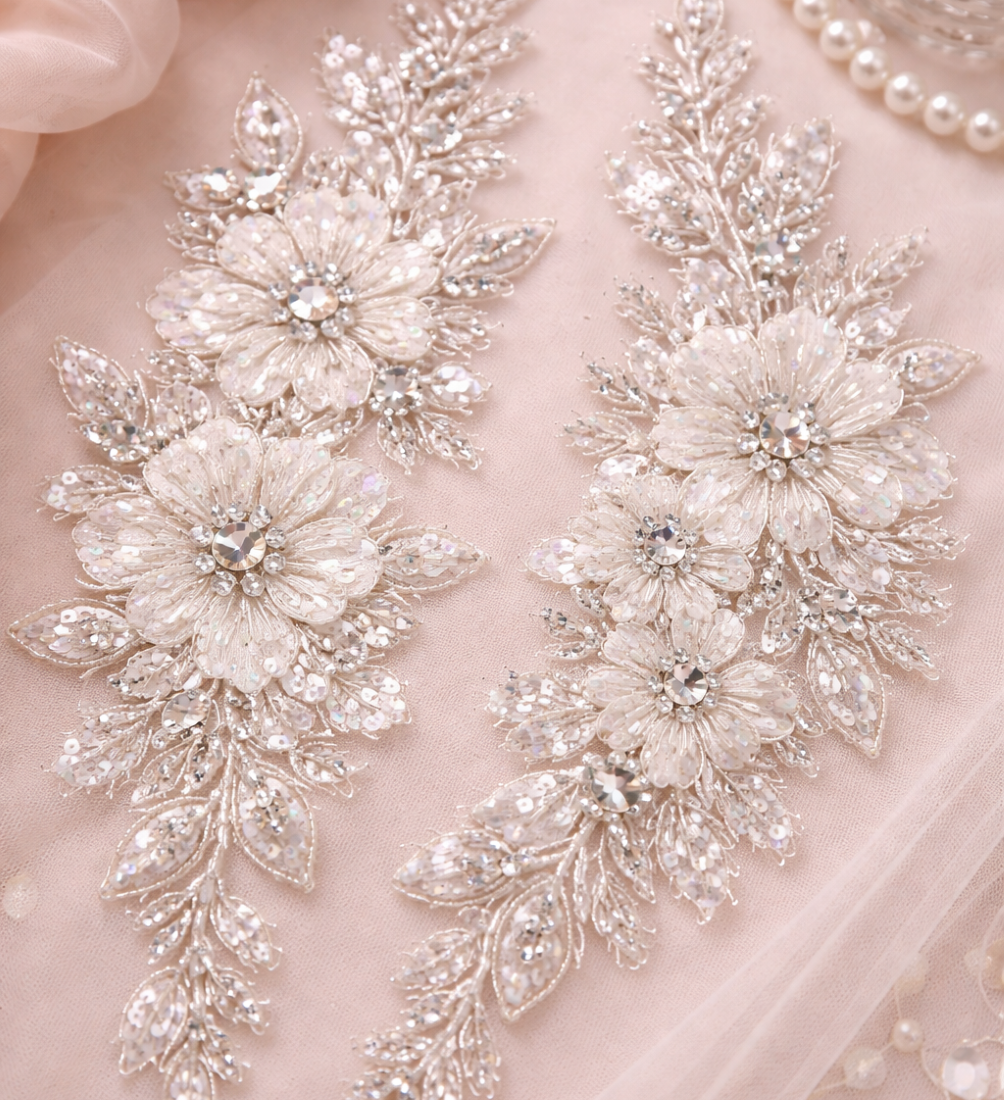
Pre-made sequin appliques
Durability depends on how they are attached. When stitched properly using reinforced thread, sequins can survive 50–100 wash cycles, according to textile durability tests referenced in apparel manufacturing blogs.
Sequins help solve a common DIY problem: designs that look dull.
Even a small number of sequins can improve visibility of patterns. They reflect light and highlight shapes such as flowers, stars, or lettering.
Popular uses include:
-
Party dresses
-
Decorative bags
-
Costume design
-
Event decorations
-
Handmade greeting cards
Another advantage is flexibility. Sequins can follow curves and patterns that paint or printing cannot easily create.
Appliques for Quick Design Changes
Appliques are pieces of fabric or decorative shapes stitched onto another fabric surface.
They are one of the easiest ways to modify clothing.
Appliques are commonly made from:
-
Embroidered fabric patches
-
Felt shapes
-
Leather pieces
-
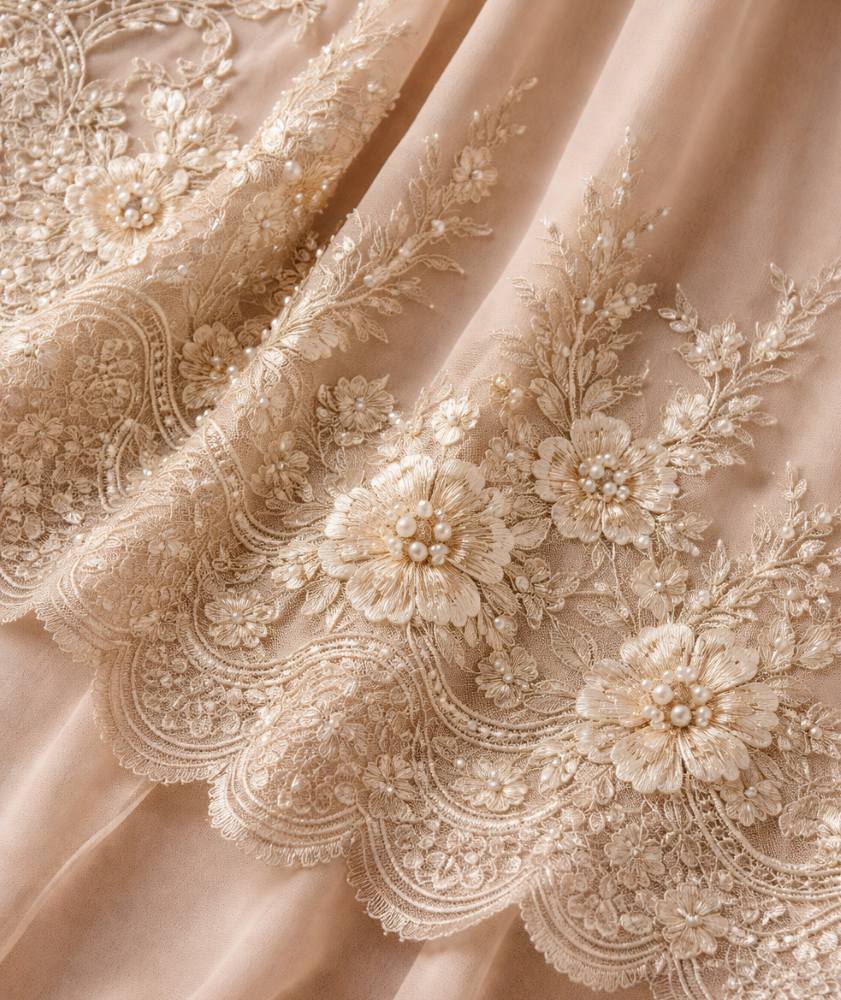
Lace patterns
-
Sequin or rhinestone patches
There are two main attachment methods:
Sew-on appliques
These are stitched directly onto fabric using a sewing machine or hand stitching. This method offers the strongest hold.
Iron-on appliques
These include adhesive backing activated with heat. They are easier to apply but may weaken after repeated washing.
DIY creators often combine appliques with embroidery or sequins. For example:
-
A floral applique with corded embroidery outlines
-
A patch with added sequin highlights
-
A lace applique reinforced with stitched cord patterns
This combination allows even beginners to create layered designs without needing advanced sewing skills.
Appliques also save time. Instead of stitching an entire design from scratch, a crafter can apply a ready-made patch in a few minutes.
Why These Techniques Solve DIY Craft Problems
Many DIY creators struggle with two issues: design impact and durability.
Flat embroidery often blends into the fabric. Printed decorations may fade. Cheap patches may peel off.
Corded embroidery solves the visibility problem by raising the design above the fabric surface.
Sequins solve the lighting problem by reflecting light and highlighting details.
Appliques solve the time problem by allowing fast decoration.
Together, they provide:
-
Better texture
-
Improved durability
-
Faster project completion
-
More creative flexibility
For hobbyists and small craft sellers, these techniques make it possible to create professional-looking products without expensive equipment.
Real-World Examples
Case Study 1: Etsy Jacket Seller
An Etsy clothing seller shared a story on a craft marketing blog about updating vintage denim jackets using embroidered patches and corded outlines.
Before adding these decorations, their jackets sold slowly. After introducing embroidered appliques with sequin highlights, their shop analytics showed a 25% increase in sales within three months.
Customers mentioned that the raised designs looked more detailed in photos.
Case Study 2: Thrift Flip DIY Project
A DIY YouTube creator documented a thrift flip project using corded embroidery and sequins on a second-hand jacket purchased for $12.
The creator added:
-
Corded floral embroidery on the back
-
Sequin accents around petals
-
A small applique patch near the collar
The finished jacket gained over 200,000 views on the tutorial video, and viewers reported making similar projects.
This shows how small decorative upgrades can turn simple clothing into unique pieces.
Case Study 3: Event Decoration Business
A small craft business creating wedding table runners started adding lace appliques with sequin outlines.
According to their Pinterest business post, this change helped increase product visibility and resulted in 30% more customer inquiries during the wedding season.
The reflective sequins helped the decorations stand out under event lighting.
Case Study 4: Handmade Bag Upgrade
A craft blogger tested adding embroidered patches and corded borders to canvas tote bags.
Before the upgrade, the bags sold for around $8–$10 at local craft markets.
After adding decorative appliques and sequin trim, the same bags sold for $18–$22, showing how decorative techniques can increase product value.
FAQs
Do sequins scratch fabric?
Usually not. When sewn correctly using small stitches, sequins sit flat against the fabric and do not damage surrounding material.
How many washes can sequin designs handle?
Properly stitched sequins can last 50–100 wash cycles depending on thread strength and fabric type.
Is corded embroidery hard for beginners?
Not really. Many beginners start with simple couching stitches where small stitches hold the cord in place.
Can appliques be removed later?
Yes. Sewn appliques can be removed by cutting the stitches. Iron-on patches may leave adhesive marks after removal.
Are appliques better than embroidery?
Both have advantages. Appliques save time while embroidery allows more detailed patterns.
Do sequins work on thick fabrics like denim?
Yes. Sequins can be stitched onto denim using stronger thread and a thicker needle.
What tools are needed for these techniques?
Basic tools include a sewing needle, embroidery thread, scissors, and optionally a sewing machine.
Can beginners mix all three methods?
Yes. Many DIY projects combine corded embroidery, sequins, and appliques for layered designs.
Conclusion
DIY fashion and craft projects often struggle with simple problems. Designs look flat. Decorations fall off. Hours of work may not produce a noticeable result.
Corded embroidery, sequins, and appliques solve these problems in practical ways.
Corded embroidery adds raised structure. Sequins reflect light and highlight patterns. Appliques allow quick design upgrades without starting from scratch.
Real creators have already proven the benefits. Etsy sellers increased sales after adding decorative patches. Event decorators improved product visibility with sequin details. Craft bloggers upgraded basic items into unique pieces.
The best part is that these techniques are beginner-friendly. Most projects require only basic sewing tools and simple stitching.
So if you have an old jacket, a plain bag, or unused fabric, try upgrading it. Add a corded outline. Stitch a few sequins. Apply a decorative patch.
Small changes can turn ordinary items into custom designs.
Start crafting today and see how these techniques can bring new life to your DIY projects.