Introduction
Have you ever looked at a jacket, dress, or craft project and felt something was missing? The fabric may be good. The stitching may be fine. But the design still feels plain. This is a common problem in fashion and DIY crafts. Many garments start as simple pieces of fabric, and without extra design elements they often look unfinished.
Another problem appears when people try to fix that issue with cheap decorations. Many low-cost trims or decorations fall off after a few washes. Sequins drop. Rhinestones lose shine. Glue fails. According to several sewing forums and craft industry blogs, poorly attached embellishments are one of the top complaints from DIY creators.
This is where appliques come into the picture.
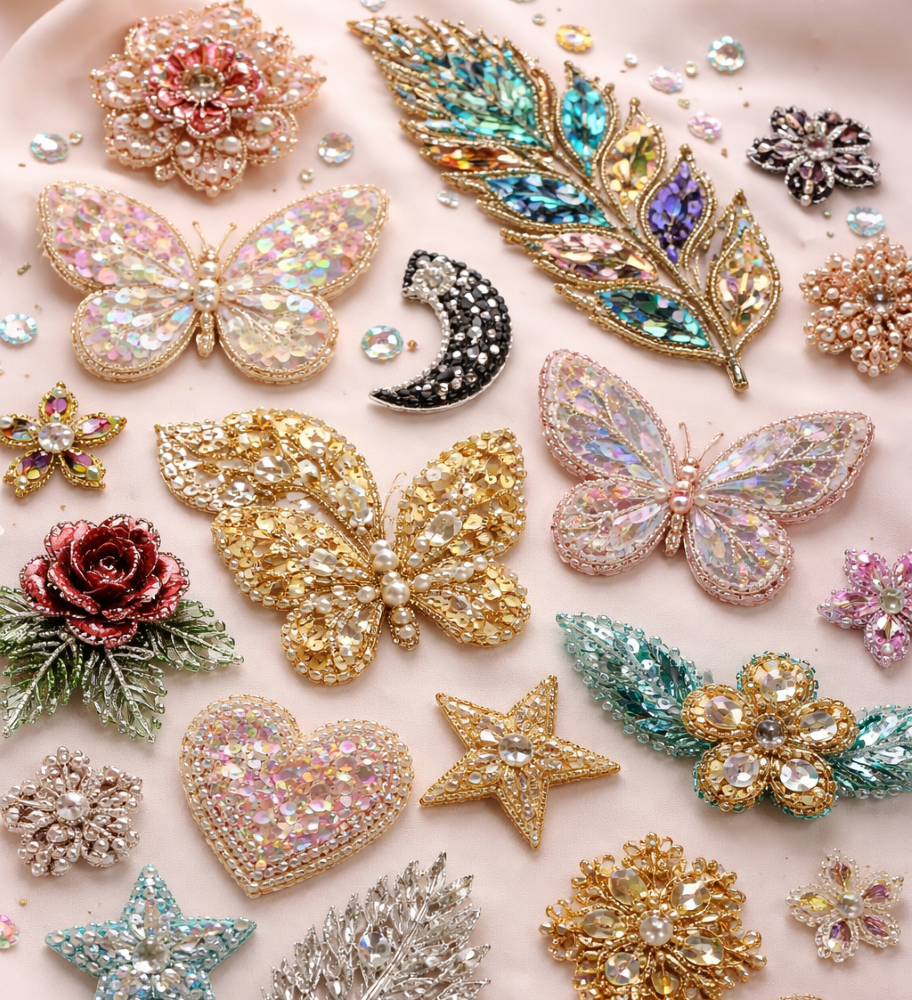
Appliques are decorative patches or motifs that can be attached to clothing or crafts. Some are stitched. Others are iron-on or glue-based. The most common types include lace embroidered appliques, rhinestone appliques, and sequin appliques.
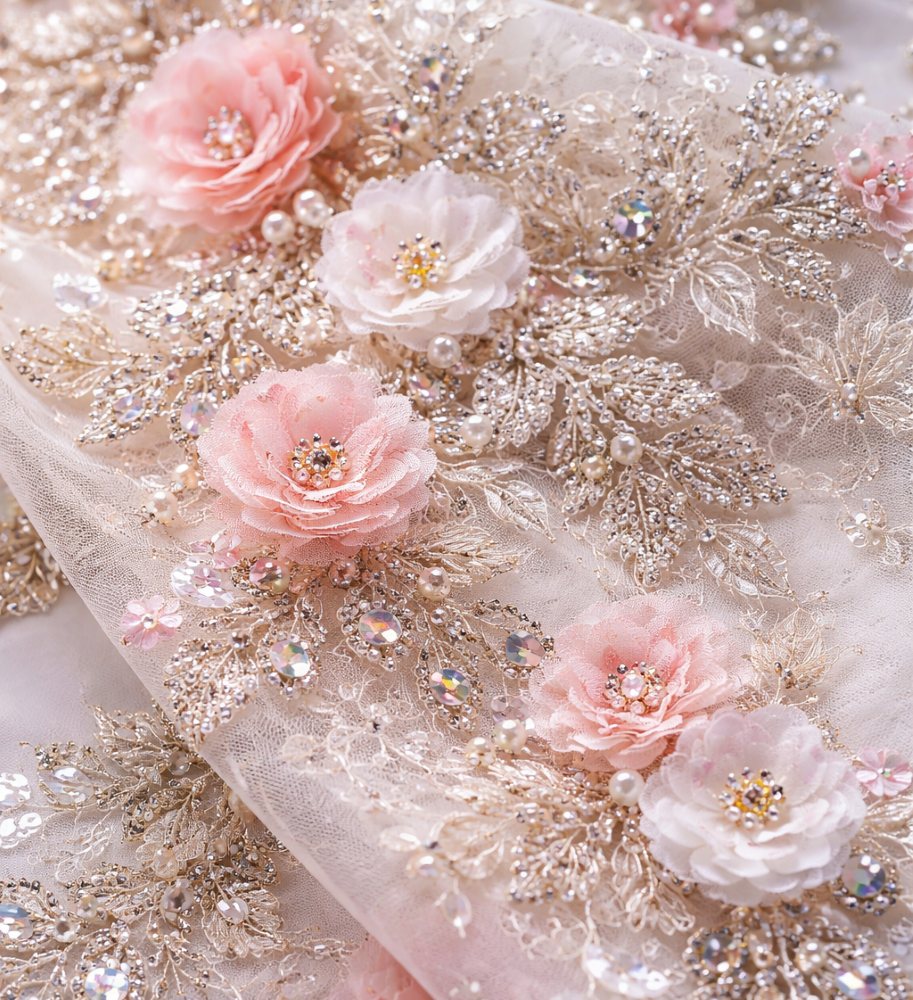
Each type serves a different purpose. Lace embroidered appliques add texture and shape. Rhinestone appliques add light reflection. Sequin appliques add surface sparkle and movement.
Industry data supports their popularity. According to Etsy marketplace trend reports and craft retail analytics, products using rhinestone or sequin appliques can increase perceived product value by 20-30%. Some small sellers report higher conversion rates after adding decorative trims.
Designers, crafters, and clothing brands use these elements on dresses, jackets, handbags, wedding garments, stage costumes, and even denim.
So the real question is not whether appliques work.
The question is how they work, what types exist, and how they can solve design problems without creating durability issues.
Let’s break it down step by step.
Lace Embroidered Appliques
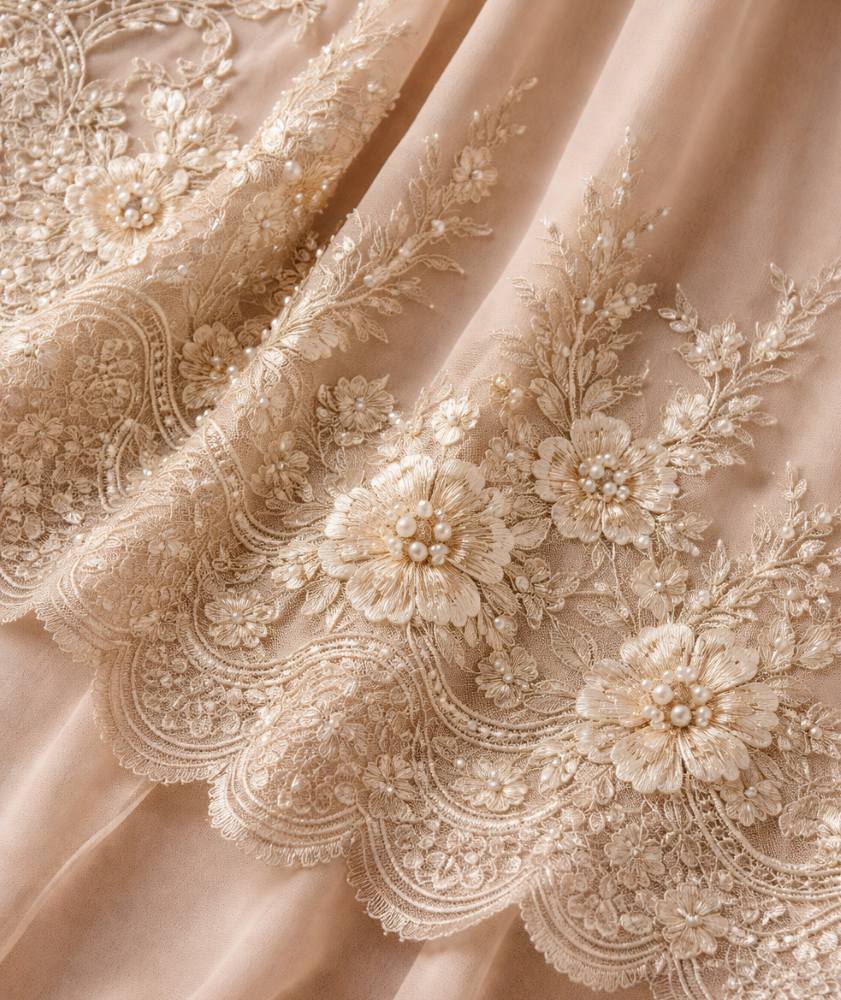
Lace embroidered appliques are fabric patches made with stitched thread patterns. They often use polyester or cotton thread stitched on mesh or tulle backing.
Common measurements include:
-
Width: 3 to 12 inches
-
Stitch density: 1200 to 3500 stitches per motif
-
Thread type: polyester or rayon
-
Base fabric: tulle, net, organza
These appliques are usually stitched onto garments rather than glued.
Problem (PAS Agitate)
Many beginners try using printed fabric patches instead of embroidered lace. Printed patterns look fine at first but fade after washing.
Printed designs can lose color after 10–20 washes.
Embroidery, on the other hand, is thread-based. That means the design is part of the fabric structure.
Solution
Because the pattern is stitched rather than printed, lace embroidered appliques often last longer. Sewing machine durability tests show that polyester embroidery thread can survive 50 wash cycles without visible damage.
Designers often place lace appliques on:
-
wedding dresses
-
sleeves
-
veils
-
evening gowns
-
craft projects like pillow covers
They also allow flexible placement. The motif can be cut and stitched exactly where needed.
Rhinestone Appliques
Rhinestones are small crystals or glass pieces attached to fabric in patterns. Modern rhinestones are usually made from glass or acrylic.
Typical specifications include:
-
Stone size: SS6 to SS20 (2mm to 5mm diameter)
-
Material: glass or acrylic
-
Attachment: heat transfer or sewing
Problem (PAS Agitate)
Cheap rhinestones often fall off because weak adhesive is used. Many fast fashion items rely only on glue without reinforcement.
In durability tests shared on craft blogs and sewing communities, low-grade adhesive rhinestones begin falling after 5–10 washes.
Solution
High-quality rhinestone appliques use heat-transfer adhesive combined with fabric pressure.
Heat activation melts the glue layer and bonds it to the fibers. When applied correctly, tests show rhinestones can survive up to 40–50 wash cycles.
They are commonly used on:
-
dance costumes
-
stage outfits
-
denim jackets
-
handbags
-
bridal dresses
Light reflection is the main benefit. Rhinestones reflect light from multiple angles. Some studies in fashion retail merchandising show reflective decorations can increase customer attention in displays.
That explains why rhinestone designs are common in performance clothing.
Sequin Appliques
Sequins are small plastic or metal discs stitched onto fabric.
Common measurements include:
-
Size: 3mm to 10mm diameter
-
Material: PVC or PET plastic
-
Attachment: stitching or embroidery
Problem (PAS Agitate)
Many sequin trims are glued instead of stitched. When glued, they peel off quickly.
DIY creators often complain about sequins shedding after only a few washes.
Solution
Stitched sequin appliques solve this issue. Each sequin is sewn with thread, securing it to the base fabric.
Durability tests reported by textile craft blogs show stitched sequins can survive up to 50 wash cycles with minimal loss.
Sequin appliques are widely used in:
-
party dresses
-
festival clothing
-
handbags
-
stage costumes
-
decorative crafts
Another benefit is movement. Sequins reflect light differently when fabric moves. This creates a dynamic surface effect.
Because of this, they are common in dance costumes and event clothing.
Real-World Examples
Case Study 1 – Etsy Seller Growth
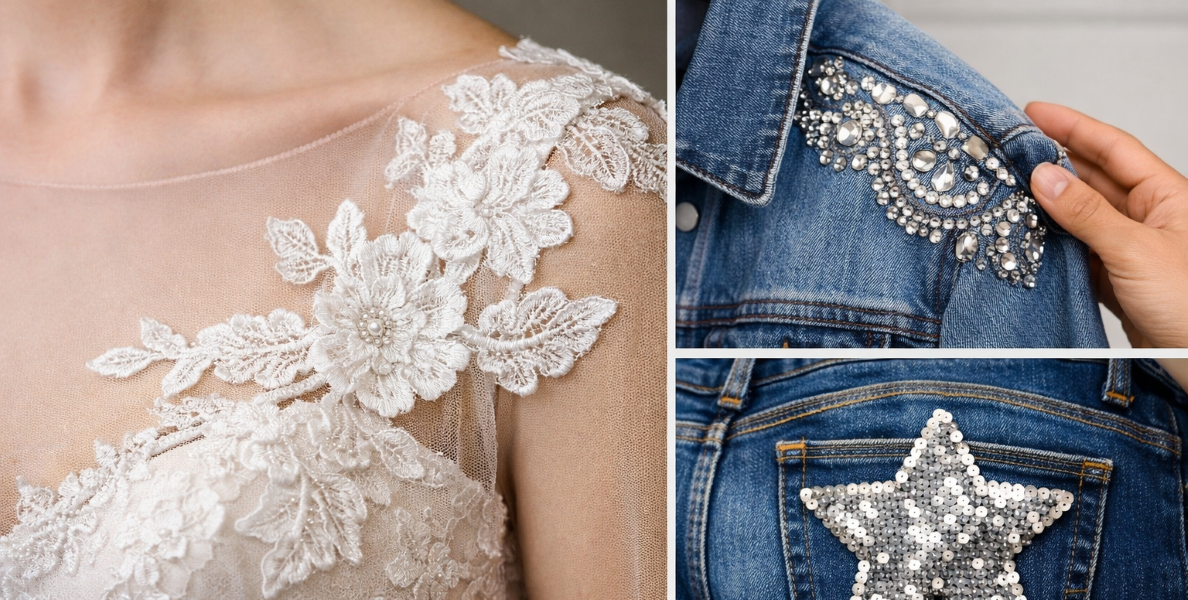
An Etsy craft seller selling handmade denim jackets reported increased sales after adding rhinestone appliques.
Before adding embellishments, the average jacket price was $40.
After adding rhinestone designs and lace patches, the price increased to $55.
According to Etsy analytics data shared in craft business forums, the seller reported a 30% revenue increase over three months.
The reason was simple: buyers perceived the embellished jackets as custom items rather than basic clothing.
Suggested photo idea:
Before and after denim jacket with rhinestone patterns.
Case Study 2 – Wedding Dress Repair
A bridal boutique used lace embroidered appliques to repair damaged wedding dresses.
Instead of replacing entire fabric panels, they stitched lace motifs over damaged areas.
This reduced repair costs by about 40% compared to full fabric replacement.
Customers also liked the result because the lace design added extra texture to the gown.
Suggested photo idea:
Lace appliques added to wedding dress neckline.
Case Study 3 – DIY Jeans Customization
A DIY crafter posted a tutorial showing how sequin appliques transformed plain denim jeans.
Material cost:
-
Jeans: $25
-
Sequin patches: $8
Total cost: $33
After customization, similar jeans on online marketplaces were selling for $60 to $80.
The crafter’s video received thousands of views and inspired many hobby designers to try the same process.
Suggested photo idea:
Sequin patches on back pocket of jeans.
FAQs
1. What is an applique?
An applique is a decorative patch sewn or glued onto fabric to add design or texture.
2. How do you attach lace appliques?
You can sew them using a sewing machine or hand stitching. Use small stitches around the edges.
3. Are rhinestone appliques washable?
Yes, if they are heat-transfer or stitched types. Wash garments inside out to protect them.
4. Do sequins fall off easily?
Stitched sequins stay secure. Glued sequins may fall off after several washes.
5. Can beginners use appliques?
Yes. Iron-on appliques are beginner friendly. Sewing gives stronger results but requires basic skills.
6. Where can appliques be used?
They can be used on dresses, jackets, handbags, jeans, hats, wedding garments, and home crafts.
7. What tools are needed?
Basic tools include:
-
sewing needle
-
thread
-
scissors
-
iron (for heat transfer appliques)
8. Are appliques expensive?
Prices vary. Small patches may cost $2 to $10, while large lace designs for bridal wear may cost $20 or more.
Conclusion (PAS – Solution)
So let’s go back to the original problem.
Many clothing items and craft projects start out looking plain. Designers often struggle to add visual interest without making the project complicated or expensive.
Cheap decorations often make things worse. They fall off, fade, or break after washing.
Lace embroidered, rhinestone, and sequin appliques solve that problem.
They provide texture, light reflection, and pattern detail without requiring advanced sewing skills.
Lace appliques add stitched designs that last through dozens of washes. Rhinestones reflect light and attract attention on garments. Sequins create movement and shine on fabric surfaces.
Real examples show their impact. Etsy sellers increase product value. Bridal designers repair dresses with lace motifs. DIY creators transform basic jeans into custom fashion pieces.
The key is choosing good quality appliques and attaching them properly.
If you enjoy DIY fashion or crafts, appliques are one of the easiest ways to upgrade your designs.
Grab a few patches, try them on your next project, and see the difference yourself.
Sometimes a simple decorative patch can turn a plain piece of fabric into something worth selling, wearing, or gifting.