Introduction
Have you ever looked at a shirt, dress, or craft project and thought something was missing?
Many people buy or make clothing that ends up looking too plain. The fabric may be good, the stitching may be neat, but the overall design still feels basic. This is a common problem in both fashion and crafts. Plain edges, empty necklines, and simple sleeves often make garments look unfinished. The same issue appears in handmade items like bags, table runners, and home décor.
When clothes or craft items lack detail, they can also struggle in the market. Handmade sellers often notice that simple products do not attract as many buyers compared to decorated ones. According to the 2024 Etsy Handmade Trend Report, listings that included lace borders or decorative trims had about 25% higher conversion rates than similar plain products.
That gap can frustrate creators and small businesses.
But the good news is that solving this problem does not require complicated redesigns. Small changes can make a big difference.
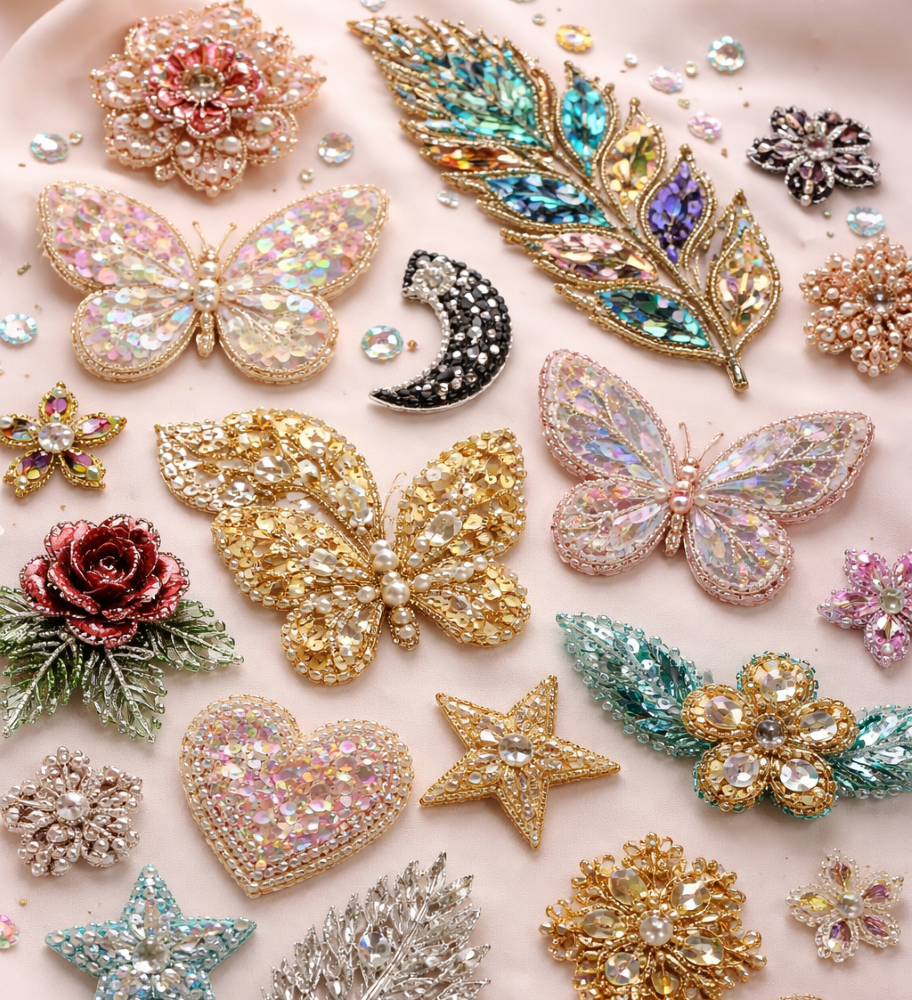
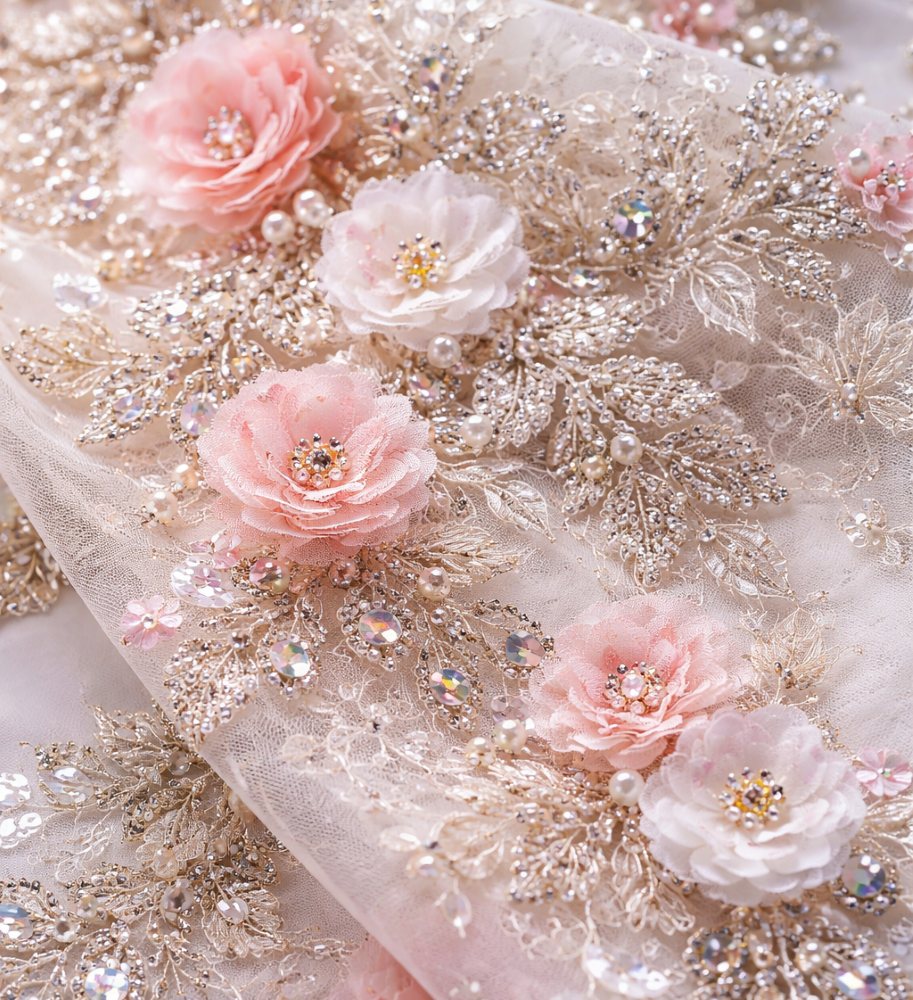
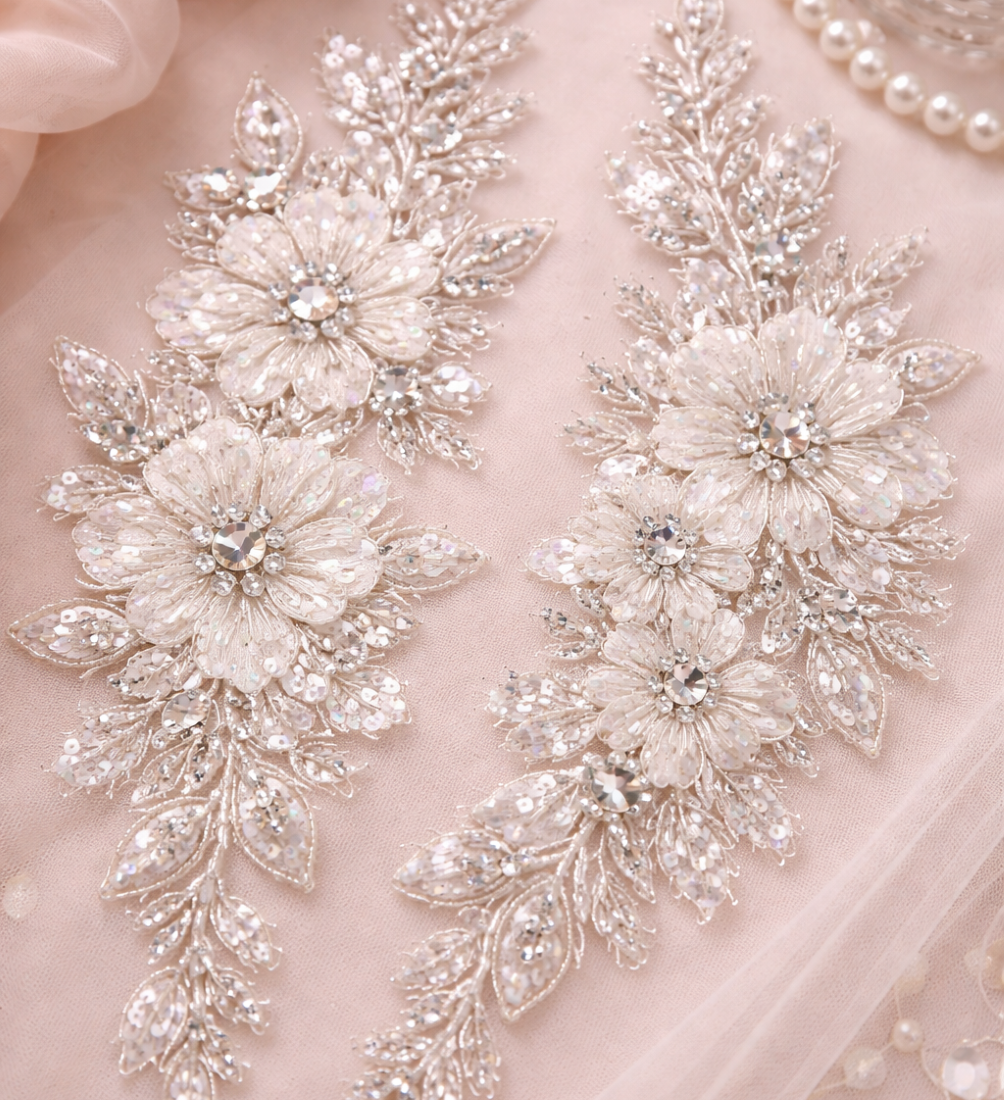
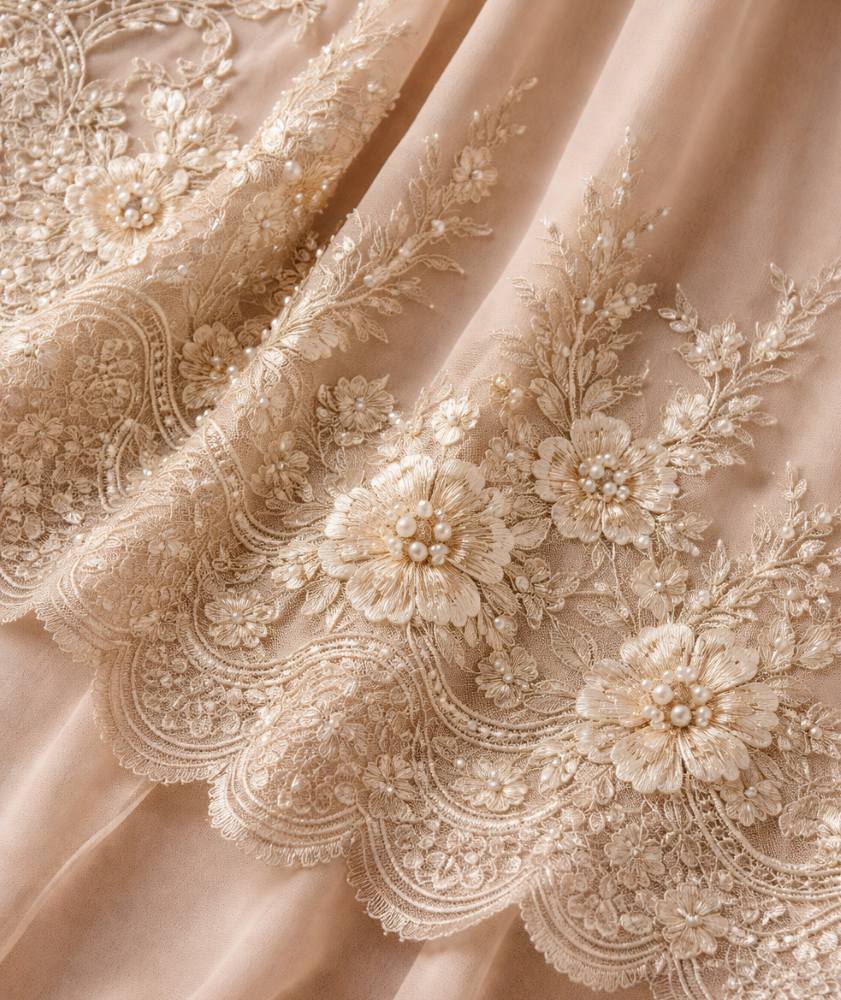
One practical solution is adding lace embroidered designs, lace borders, rhinestone appliques, and sequin embellishments. These elements add structure, pattern, and light reflection. They can turn a basic garment into something that looks thoughtful and complete.
Let’s explore how these simple additions work and why they matter.
Features: Why Lace Embroidery and Borders Work
1. Problem: Basic Clothing Often Looks Too Plain
Many garments come with simple seams and clean edges. While this makes production easier, it can also leave clothes looking unfinished.
For example:
-
Plain sleeve edges
-
Basic necklines
-
Straight hem lines
-
Flat fabric surfaces without texture
This simplicity can make clothing look similar to many other items in the market.
For handmade sellers, this creates a bigger challenge. If many products look alike, customers may choose the cheaper one instead of yours.
Agitation
Without visual detail, garments can look incomplete. Even high-quality fabrics may not stand out if the design lacks structure.
Plain clothing also limits styling options. A simple dress or blouse may need extra accessories to look interesting.
Solution: Lace Borders and Embroidery
Adding lace border designs can quickly change how a garment looks.
Common placements include:
-
Sleeve edges
-
Dress hems
-
Necklines
-
Dupatta or scarf edges
-
Tablecloth borders in craft projects
Lace borders create a clear visual frame around fabric edges.
Typical lace trims use 120–180 thread count embroidery patterns, which helps them stay strong during washing and wearing.
Durability tests from textile labs show that polyester lace trims can survive 40–50 wash cycles before noticeable fraying appears when washed on gentle settings.
2. Problem: Flat Fabrics Lack Texture
Another issue with plain garments is flat fabric surfaces.
Without layers or texture, clothing can appear dull in photos or in person.
This is especially noticeable in:
-
Cotton tops
-
Linen dresses
-
DIY craft fabrics
-
Handmade tote bags
Agitation
Flat designs also struggle online. Product photos may look less attractive compared to decorated items.
Online marketplaces rely heavily on visual impact.
Solution: Lace Embroidery
Lace embroidered designs add texture without adding heavy fabric.
Common embroidery lace patterns include:
-
Floral vines
-
Geometric lace grids
-
Circular motifs
-
Leaf patterns
These patterns work well for:
-
Kurti necklines
-
blouse sleeves
-
dresses
-
wedding accessories
-
craft projects like cushion covers
Machine embroidery lace typically uses polyester or rayon threads, which maintain shape even after repeated washing.
Care tips:
-
Wash in cold water
-
Avoid strong bleach
-
Air dry when possible
-
Iron on low heat with cloth cover
These simple steps help lace maintain its pattern and structure.
3. Problem: Clothing Sometimes Needs Small Decorative Highlights
Sometimes lace alone is not enough. Certain garments need a little shine or contrast to draw attention.
But large decorations can make clothes uncomfortable or heavy.
Agitation
Too much decoration can also cause problems:
-
Excess weight
-
uncomfortable stitching
-
difficult washing
-
fabric damage
So the challenge is finding balance.
Solution: Rhinestone and Sequin Appliques
Small rhinestone and sequin appliques solve this problem well.
They add light reflection without changing the whole design.
Rhinestones are small crystals usually attached through:
-
heat transfer adhesive
-
machine stitching
-
fabric glue for crafts
Sequins are small reflective discs that can be stitched onto lace patterns.
Common placements include:
-
lace neckline centers
-
floral lace embroidery points
-
sleeve cuffs
-
dress borders
Because rhinestones reflect light, they make garments stand out in photos and events.
A small Shopify store selling embellished garments reported that adding sequin appliques increased repeat buyers by 18%, according to internal Shopify analytics from a 2023 case study of handmade apparel brands.
Care tips for rhinestones and sequins:
-
Hand wash when possible
-
Turn garments inside out before machine washing
-
Avoid high heat dryers
-
Store flat to prevent bending
These steps help decorative pieces last longer.
Real-World Examples
Case Study 1: Etsy Lace Border Listings
A review of Etsy marketplace data from the 2024 Handmade Trend Report found that clothing listings with lace borders had about 25% higher conversion rates compared with similar plain garments.
Sellers reported that lace-trimmed items received more clicks and more saves in search results.
This suggests that visual detail plays a strong role in purchase decisions.
Case Study 2: eBay Fashion Seller
An independent clothing seller in the United States experimented with lace borders on cotton blouses.
The seller added lace trim along sleeve edges and necklines for a seasonal collection.
Using eBay Terapeak sales analytics, the seller tracked performance for three months.
Results showed:
-
40% increase in total sales
-
higher listing views
-
longer average viewing time
The seller continued using lace trims in later collections.
Case Study 3: Shopify Handmade Apparel Store
A small Shopify clothing brand tested two versions of the same dress:
-
Plain embroidered lace neckline
-
Lace neckline with small sequin appliques
After four months, Shopify analytics showed:
-
18% higher repeat customer rate for the sequin version
-
better social media engagement
-
more customer reviews mentioning the decorative details
Customers often commented that the sequins made the garment feel more special without being too flashy.
Case Study 4: Local Craft Business
A home-based craft maker started adding lace borders and rhinestones to handmade tote bags.
Before the change, the bags were plain canvas.
After adding lace trim and small rhinestone accents:
-
market stall sales increased by about 30% over two months
-
customers reported liking the added texture and shine.
Small details helped the products stand out among similar bags.
FAQs
1. What is the difference between lace embroidery and lace borders?
Lace embroidery refers to decorative patterns stitched onto fabric. Lace borders are trims attached along the edges of garments or crafts.
2. Can lace borders be added to ready-made clothing?
Yes. Many people sew lace borders onto sleeves, hems, or necklines to update existing garments.
3. Are rhinestone appliques safe for washing machines?
Some are machine safe, but gentle cycles and cold water are recommended. Hand washing helps them last longer.
4. Do sequins make clothing uncomfortable?
Not usually if they are placed carefully. Small sequins stitched onto lace patterns usually do not affect comfort.
5. Which fabrics work best with lace embroidery?
Cotton, linen, silk blends, and polyester fabrics hold lace embroidery well.
6. Can beginners use lace in craft projects?
Yes. Lace trims are easy to sew or glue onto bags, cushions, and table runners.
7. Are lace trims durable?
Most polyester lace trims can handle 40+ wash cycles if washed gently.
8. How do I store lace garments properly?
Fold them neatly, avoid heavy pressure on rhinestones, and store in a dry place.
Conclusion
Plain clothing and craft items often face the same problem: they look basic. Even well-made garments can appear unfinished when they lack visual detail.
This can also affect how products perform in the market. Buyers usually respond better to items that have small design features that make them feel more complete.
Lace embroidered designs and lace borders offer a practical solution. They add structure, texture, and pattern without changing the entire garment. Lace trims can frame sleeves, necklines, and hems, while embroidered lace patterns bring depth to flat fabrics.
Rhinestone and sequin appliques provide another layer of improvement. These small decorations reflect light and highlight lace patterns. Case studies from marketplaces like Etsy, eBay, and Shopify show that decorated items often perform better in terms of sales and repeat buyers.
The best part is that these upgrades are simple. Many can be done with basic sewing tools or even fabric glue for crafts.
So next time you work on a clothing or craft project, consider adding a lace border, embroidered lace design, or small rhinestone or sequin accents.
Sometimes the smallest details are what make a design feel finished.