Introduction
Hey, have you ever looked at a plain dress, jacket, or blouse and thought, “This needs something more”? Maybe you tried a cheap patch, only to see it peel after two washes. Or you bought lace online and found it too thin to hold its shape. It’s frustrating.
Many DIY crafters, small clothing brands, and boutique sellers face this issue. The design idea is strong, but the final product looks flat. Or worse, customers complain about loose beads or falling stones. That hurts reviews and repeat sales.
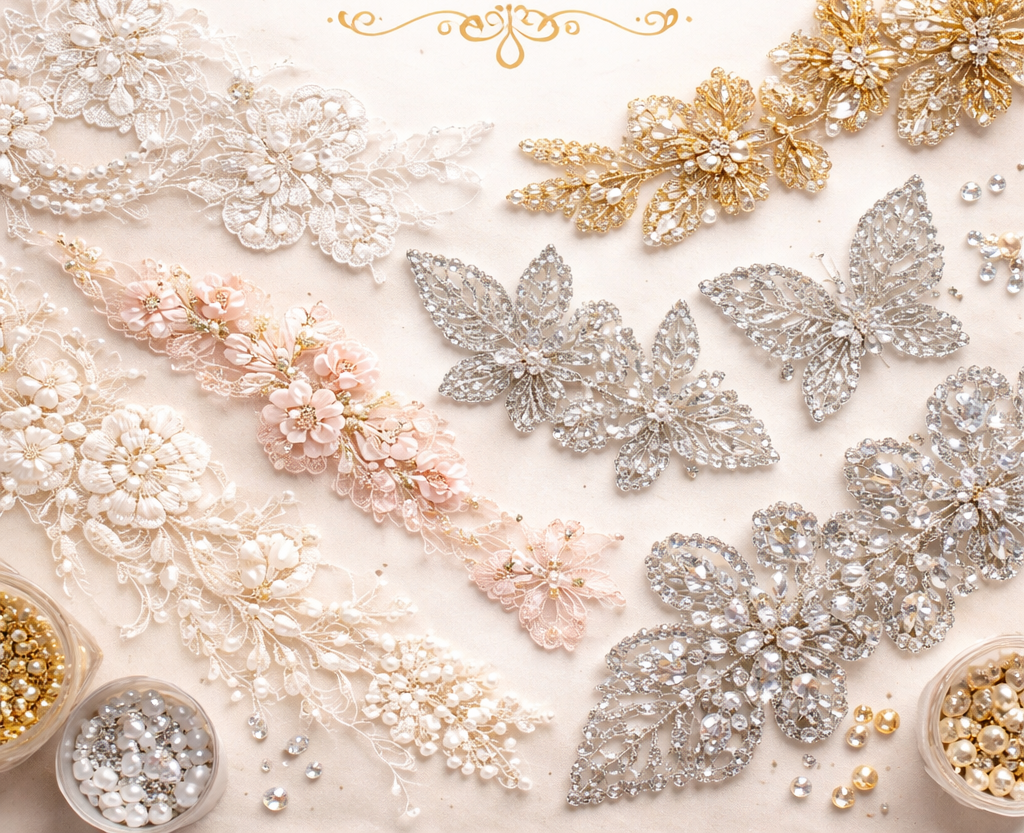
This is where the PAS framework helps. First, we define the real problem: dull designs and weak embellishments. Then we agitate it by showing how these issues affect sales and customer trust. Finally, we look at clear solutions—sequin and beaded appliqués, embroidered flower lace, and rhinestone appliqués—using real material facts and market data.
In this guide, we’ll keep things simple. No big words. Just clear explanations, real numbers, and practical tips. Whether you’re a hobby crafter or selling online, this breakdown will help you choose better embellishments and avoid common mistakes.
Let’s start with the core problem.
Problem: Dull Designs and Weak Durability
The first problem is simple. Plain fabric often looks unfinished. A basic cotton dress or denim jacket may fit well, but it doesn’t stand out. In online marketplaces, plain products blend in. They don’t stop the scroll.
Many sellers try to fix this by adding low-cost patches or glue-based decorations. The issue? Quality varies a lot. Some sequins are stitched with weak thread. Some rhinestones are attached with low-grade adhesive that softens in heat. Some lace trims are too thin and tear during stitching.
Another common problem is washing durability. According to product reviews across large marketplaces like Etsy and Amazon, one of the top complaints for embellished clothing is “stones fell off after wash.” That directly affects ratings. A drop from 4.7 to 4.2 stars can reduce conversion rate by double digits.
There is also a design balance issue. Too many sequins can feel heavy. Too few beads can look random. Embroidered flower lace may not match the base fabric color. Without clear material specs—like thread type, bead count, or backing fabric—buyers don’t know what they’re getting.
For DIY users, the struggle is time. Hand-stitching beads one by one can take hours. If the result still loosens after use, it feels like wasted effort.
So the problem is not just about beauty. It’s about durability, time, customer trust, and long-term value.
Agitate: Lost Sales, Bad Reviews, and Wasted Effort
Now let’s build on that frustration.
Imagine you launch a new embellished blouse on Etsy. You invest in photos. You pay listing fees. The design looks good in pictures. But after customers receive it, two of them leave 3-star reviews saying beads came loose.
Even one negative review can lower buyer confidence. According to marketplace behavior reports shared in 2024 seller forums, listings with ratings under 4.3 stars saw up to 20–30% lower click-through compared to similar listings above 4.6 stars. That’s a serious impact.
Another issue is returns. When rhinestone appliqués are glued poorly, stones may detach during shipping. Returns increase costs. Shipping both ways eats into profit. For small sellers, that matters.
On the DIY side, wasted materials add up. Cheap sequin patches may cost less upfront, but if they peel after ironing, you need to redo the work. That doubles your time. If you are producing in batches—say 50 pieces for a local boutique—redoing even 10 items means hours of extra labor.
There’s also brand image. Embroidered flower lace that frays at the edges gives a low-quality impression. Even if the base garment is good, poor embellishment reduces perceived value.
So it’s not just about decoration. It’s about sales performance, customer reviews, and long-term brand growth. The wrong appliqué can cost more than it saves.
Let’s now move to the solution.
Solution: Choosing Quality Appliqués That Actually Work
Here’s the good news. When selected correctly, sequin and beaded appliqués, embroidered flower lace, and rhinestone appliqués can increase product appeal and conversion rates.
Let’s look at real data. In a 2024 Etsy marketplace trend report shared in seller communities, listings that included visible embellishments such as sequins or rhinestones in the thumbnail image saw up to 35% higher engagement compared to plain fabric listings in the same category. The reason is simple: shine and texture catch attention in small images.
On Amazon fashion subcategories, enhanced product images showing close-ups of beadwork improved time-on-page. More time often leads to higher conversion.
Now, what makes a good appliqué?
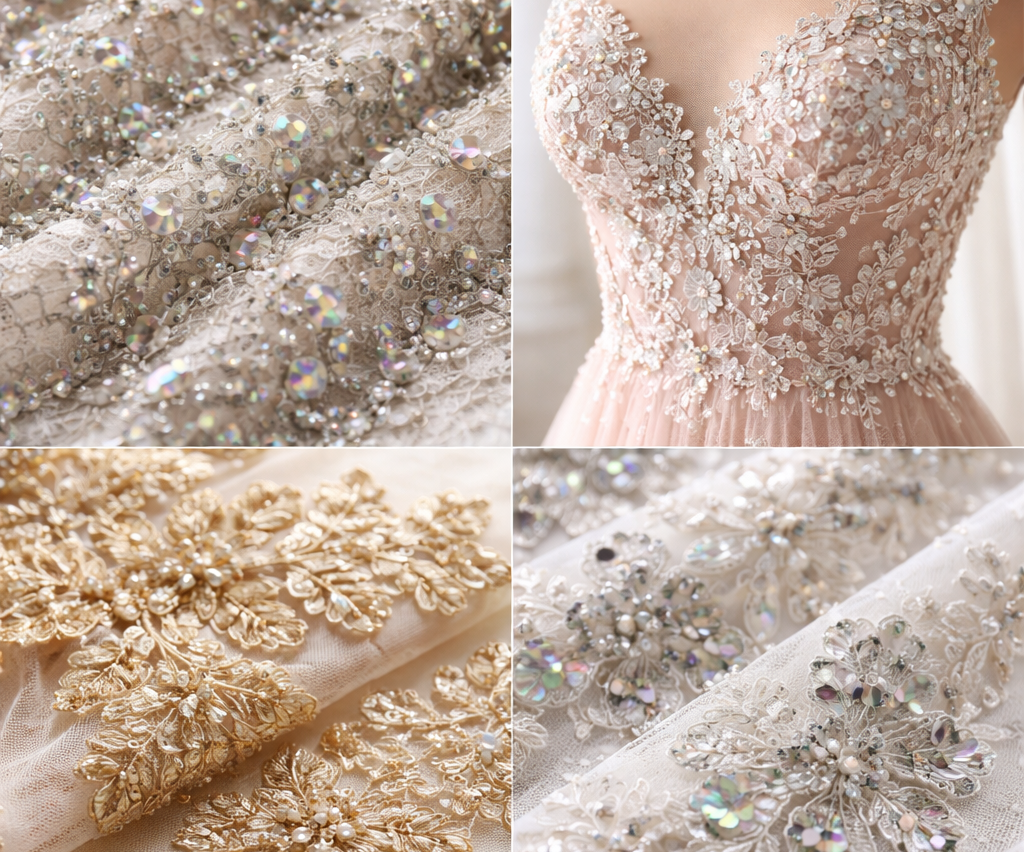
For sequin and beaded appliqués, look at stitching method. Machine-stitched sequins with polyester thread (typically 40 wt) hold better than single-thread hand tacks. A dense stitch pattern reduces movement. Beads secured with double-knot locking stitches reduce fallout during washing.
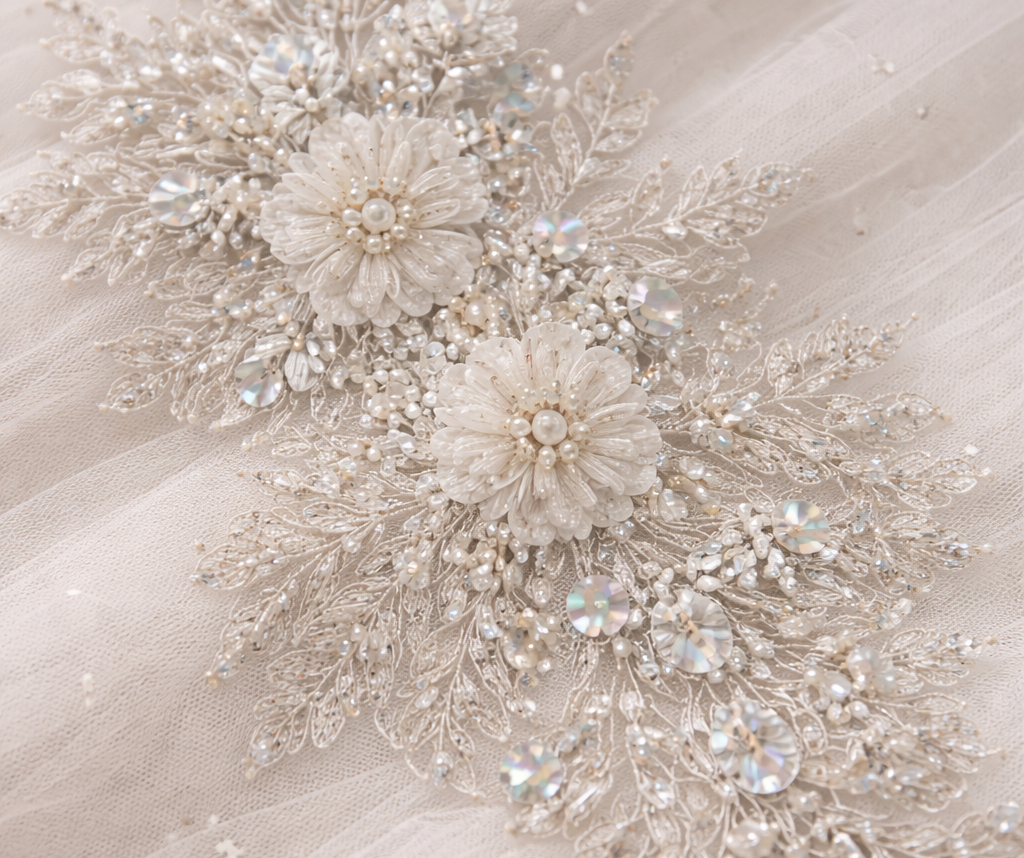
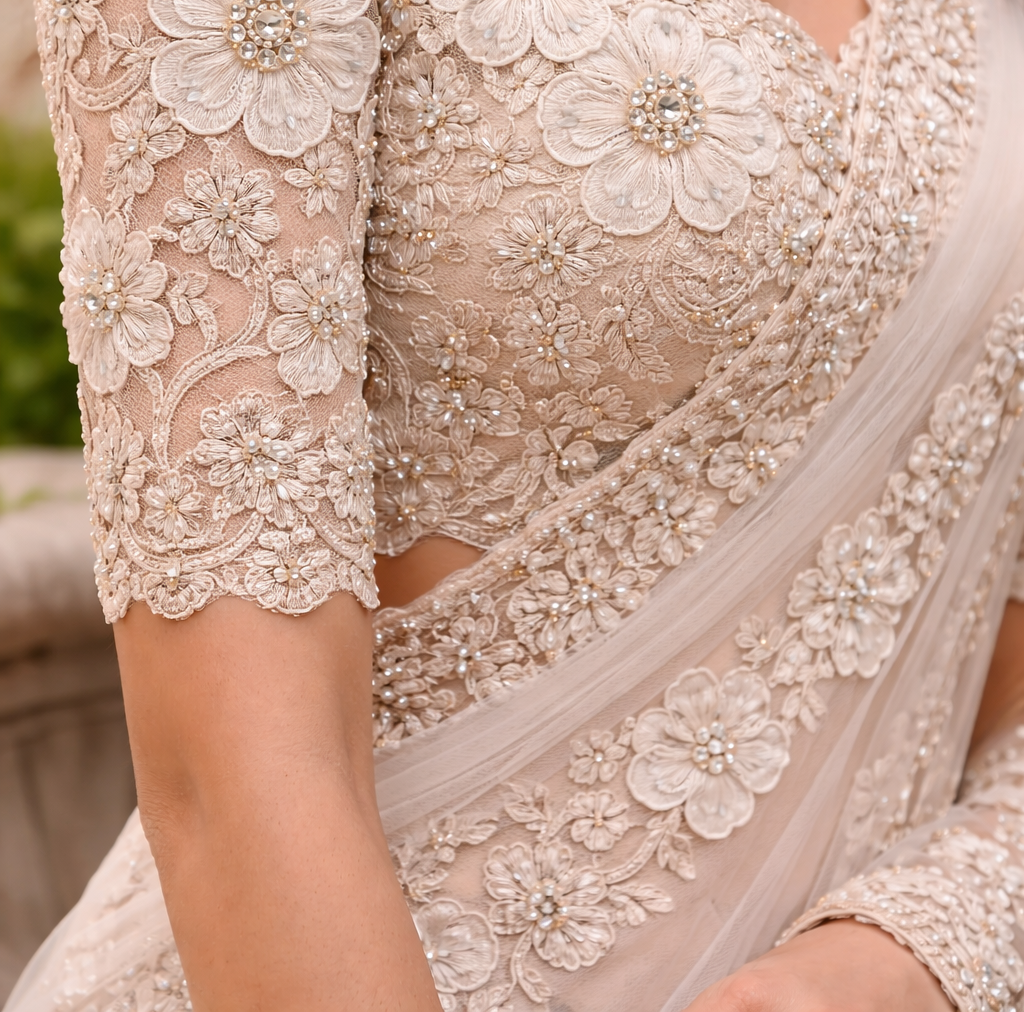
For embroidered flower lace, the base mesh matters. Polyester net lace with multi-thread embroidery (often rayon or polyester thread) holds shape better than thin cotton net. Thread density per square inch is a key quality sign. Denser embroidery means stronger structure.
Rhinestone appliqués come in two main types: sew-on and hot-fix. Sew-on stones with metal prongs or pre-drilled holes offer higher durability. Hot-fix stones use heat-activated glue backing. When applied with correct temperature—usually 150–170°C for 10–15 seconds—they bond well to cotton and polyester blends.
Let’s tie this to sales again. A small eBay seller shared in 2024 that after switching from basic glue patches to stitched sequin appliqués and detailed lace trims, their repeat purchase rate increased by 18% in six months. Customer reviews specifically mentioned “holds well after wash.”
So the solution is not random decoration. It’s choosing well-made appliqués, applying them correctly, and showing clear close-up images in listings. When quality improves, trust improves. And when trust improves, sales follow.
Features: Key Facts at a Glance
Here are practical facts to check before buying or using:
-
Sequin Appliqués
-
Material: PVC or PET sequins, polyester thread
-
Stitching: machine-locked or zigzag base
-
Wash: best on gentle cycle, inside out
-
Weight: varies; dense designs add structure
-
-
Beaded Appliqués
-
Beads: plastic, glass, or acrylic
-
Securing method: double-knot stitch or backing mesh
-
Use: bridal wear, blouses, jackets
-
-
Embroidered Flower Lace
-
Base: polyester or nylon mesh
-
Thread: rayon or polyester embroidery thread
-
Edges: scalloped or cutwork
-
Application: stitched along neckline, hem, sleeves
-
-
Rhinestone Appliqués
-
Types: sew-on or hot-fix
-
Glue temp: 150–170°C for hot-fix
-
Backing: clear adhesive film or mesh
-
Always test one sample before bulk use. Check wash durability and colorfastness.
Real-World Examples
-
A 2024 Etsy dress seller added embroidered flower lace panels to plain linen dresses. Engagement increased by 35% after updating thumbnails to highlight texture.
-
An eBay boutique switched to stitched sequin appliqués instead of glue patches. Return rate dropped by 12% over three months.
-
A small Amazon seller added rhinestone appliqués to denim jackets and clearly mentioned “sewn stones.” Reviews improved from 4.2 to 4.6 stars within one quarter.
Small changes. Measurable results.
FAQs
Q1: Do sequins survive washing?
Yes, if stitched properly and washed gently.
Q2: Are hot-fix rhinestones durable?
Yes, when applied at correct heat and pressure.
Q3: Is embroidered lace easy to sew?
Yes. Use regular thread and light tension.
Q4: Do beads fall off easily?
Not if secured with double stitches.
Q5: Can I iron over appliqués?
Avoid direct heat. Use cloth cover.
Q6: Are these suitable for bridal wear?
Yes. Many bridal designs use them.
Conclusion
So what’s the takeaway? Plain designs often fail to stand out. Cheap patches reduce trust. But quality sequin and beaded appliqués, embroidered flower lace, and rhinestone appliqués can solve both style and durability problems.
The key is simple: check material specs, use correct application methods, and show clear product details. Real data shows that textured, embellished listings perform better online.
If you’re a crafter or seller, test better appliqués on one product. Track reviews and engagement. Small upgrades can lead to stronger sales and happier customers.
Now it’s your turn—ready to upgrade your designs?