Introduction: A Simple Pillow Project
A friend once brought a plain cotton pillow cover to a weekend craft meetup. The fabric was good quality but the edges looked unfinished. It felt like something was missing.
We added a corded embroidery trim along the border and stitched a lace edge around the outer seam.
The result changed the whole look.
The pillow went from plain fabric to something that looked like a store display piece. The trim framed the edges the same way a ribbon frames a photo.
Projects like that explain why lace border designs for sale are popular across craft markets. According to listing data from Etsy and Fabric.com supplier catalogs, most lace trims sell between $3 and $15 per yard, depending on material and stitch count.
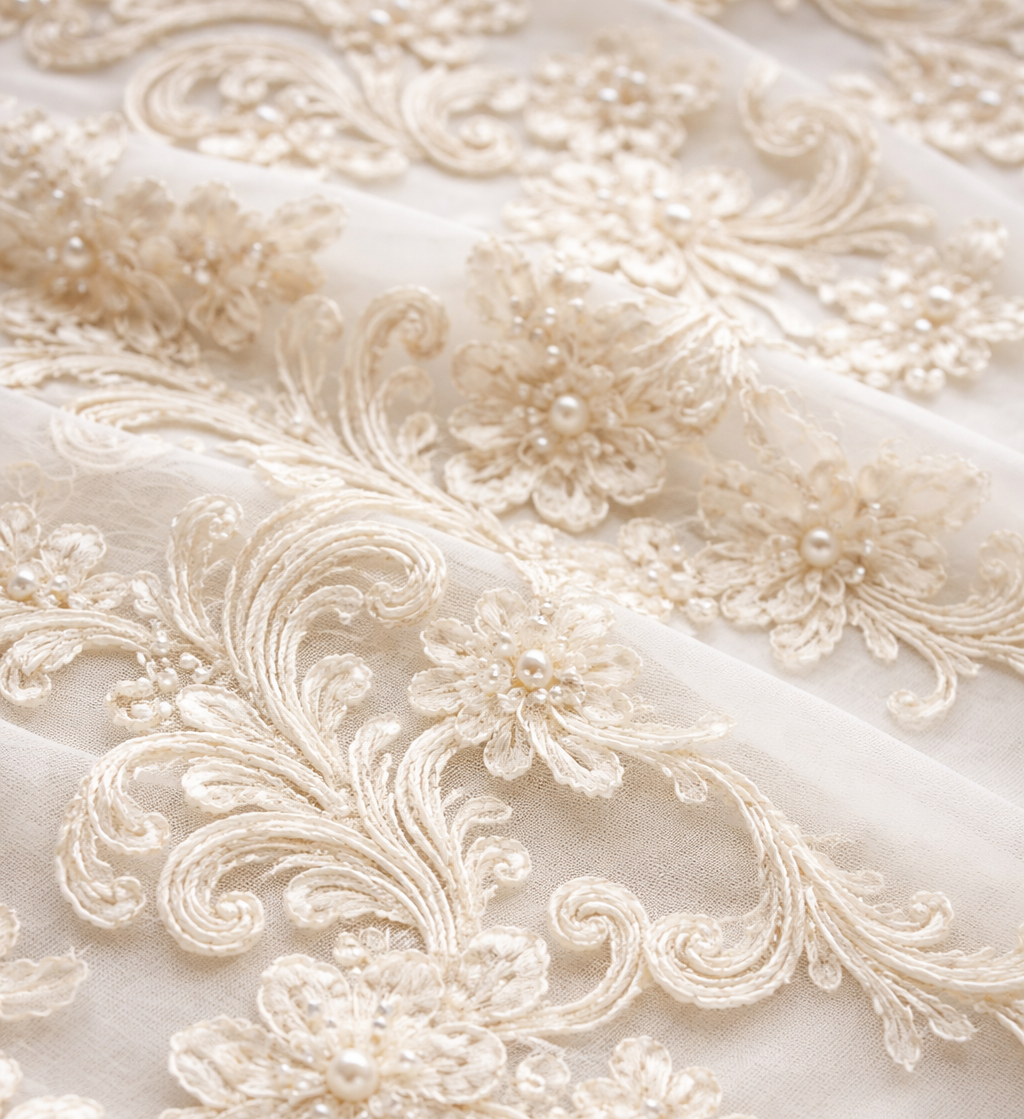
Corded embroidery trims usually include cotton or polyester cords between 1 mm and 5 mm thick stitched into raised patterns. Lace borders typically measure 2–10 cm wide, often with repeating floral or geometric motifs.
But cheap trims can ruin a project fast.
Have you ever sewn a border only to see threads come loose after the first wash?
That is a common problem. Let’s look at why it happens and how better corded embroidery and lace trims solve it.
The Problem: Plain Fabric Edges Look Incomplete
Many craft projects start with good fabric but weak finishing.
Curtains, dresses, and pillow covers often have flat edges that look unfinished.
Without trims or embroidery borders, the design can feel incomplete.
Sewing communities often solve this by adding corded embroidery trim or lace borders.
However, the first attempt does not always work.
Cheap trims sold in bulk marketplaces often have:
-
Loose stitch counts
-
Thin cords that slip out
-
Lace edges that fray
Fabric retailer reports show that some low-cost trims have stitch densities under 40 stitches per motif, which leads to faster thread separation.
That is where many DIY projects fail.
Why Cheap Lace Trims Fail
Let’s break it down.
Low-quality lace borders usually use light polyester thread with minimal reinforcement stitching.
That means when you cut the lace or wash the fabric, the pattern can loosen.
Craft forums often show examples of:
-
lace motifs separating
-
cords pulling out
-
scallop edges curling
One common reason is low stitch density.
Fabric supplier catalogs show that stronger lace trims usually have 80–120 stitches per motif repeat, depending on pattern complexity.
That extra stitching keeps the lace stable after washing.
So if you want borders that pop and last longer, the trim structure matters.
Corded Embroidery Basics
Corded embroidery is a sewing technique where cords are stitched into fabric patterns to create raised lines.
The cords sit slightly above the fabric surface, creating texture and depth.
Cord Materials
Common materials include:
-
Cotton cords – flexible and easy to sew
-
Polyester cords – stronger and more resistant to stretching
Typical cord widths used in trims:
-
1 mm cords – small decorative lines
-
2–3 mm cords – common for floral embroidery patterns
-
4–5 mm cords – thicker borders for clothing or curtain edges
According to supplier specifications listed on Temu and AliExpress product sheets, most corded embroidery trims use 2–3 mm cords stitched into repeating floral designs spaced every 5–8 cm.
Attachment Methods
There are several ways to attach corded embroidery trims.
Machine stitching
-
fastest method
-
works well for straight borders
Hand sewing
-
better control for curves
-
useful for clothing edges
Fabric glue
-
used for craft displays
-
not recommended for washable items
Alt text suggestion:
Corded embroidery trim sewn along fabric edge with raised cotton cord pattern
Lace Border Styles
Lace borders are decorative trims attached to fabric edges.
They usually feature repeating motifs and scalloped edges.
Common lace styles include:
Scallop lace
Curved edge shapes forming repeating loops.
Eyelet lace
Small cut holes stitched around patterns.
Floral lace
Motifs shaped like flowers spaced along the trim.
Many lace border designs measure 2–10 cm wide depending on project type.
Fabric marketplace data shows the most common width sold online is 5–7 cm, which works well for clothing and home decor.
Width and Material Guide
When choosing lace trims, the width matters.
Typical lace border sizes:
| Width | Common Use |
|---|---|
| 2–3 cm | clothing sleeves |
| 4–5 cm | pillow edges |
| 6–7 cm | dress hems |
| 8–10 cm | curtains |
Materials include:
-
polyester lace
-
nylon lace
-
cotton lace
Polyester lace is the most common because it resists shrinkage during washing.
Features That Make Trims Stand Out
Corded embroidery and lace borders work well because they add structure to fabric edges.
Key features include:
Raised texture
Cord embroidery creates visible lines above the fabric surface.
Edge framing
Lace borders frame edges the same way picture frames outline artwork.
Flexible placement
Borders can be sewn on:
-
sleeves
-
pillow edges
-
table runners
-
curtain hems
Easy cutting
Most trims include repeating motifs spaced every 5–10 cm, making it easy to cut sections without damaging the pattern.
Online listings for DIY lace appliques often show trims with 10–15 motifs per meter, depending on design spacing.
Pros and Cons of Corded Embroidery and Lace Borders
Pros
Improves fabric appearance
Borders make plain fabric look finished.
Beginner friendly
Even basic sewing machines can attach trims.
Affordable
Most trims cost $3–15 per yard online.
Reusable designs
Small lace sections can be reused as appliques.
Cons
Fraying risk
Low-quality lace edges can fray.
Hand sewing time
Curved borders take longer to stitch by hand.
Washing limits
Some trims need gentle wash cycles.
Color fading
Cheap dyes may fade after repeated washing.
Real-World Case Studies
Case Study 1: Pillow Cover Upgrade
A home decor seller on Etsy shared a project where plain cotton pillow covers were upgraded using lace borders.
The seller used:
-
6 cm polyester lace trim
-
2 mm cotton cord embroidery along seams
The trims cost about $4 per yard.
After adding borders, the pillow covers sold for $22 each, compared with $12 for plain versions.
The border made the design look finished and more structured.
Case Study 2: Wedding Dress Lace Trim Sales
An eBay craft seller reported strong sales of lace border trims used for wedding dress hems.
Typical product specs:
-
width: 7 cm scallop lace
-
material: polyester
-
stitch density: about 100 stitches per motif
Prices ranged from $8 to $12 per yard.
Customers often bought multiple yards for dress edges.
The seller noted that trims with consistent motif spacing around 6 cm sold faster because they were easier to cut evenly.
Case Study 3: Craft Fair Booth Display
A craft vendor used corded embroidery trims to decorate display cloths at a local fair.
They stitched 3 mm polyester cord borders along table covers.
The textured edge helped products stand out visually on the table.
The vendor reported that customers often asked where the trims were purchased.
The trims came from AliExpress for about $3 per yard.
Simple border upgrades helped improve booth presentation.
Alt text suggestion:
Lace border trim display at craft fair booth used for sewing supplies
FAQs
How do you wash lace borders?
Most polyester lace trims can be machine washed on a gentle cycle. Cotton lace often works better with hand washing.
Can beginners sew corded embroidery trims?
Yes. Straight borders are easy with a basic sewing machine using a standard straight stitch.
How do you prevent lace fraying?
Use a narrow zigzag stitch along the cut edge or apply a small amount of fabric sealant.
What lace width works best for clothing?
Most dress hems use 5–7 cm wide lace borders.
Are corded embroidery trims stretchable?
Cotton cords have slight flexibility. Polyester cords are stronger but less flexible.
Where can you buy lace borders?
Common sources include Etsy, Amazon, AliExpress, and fabric retailers like Fabric.com.
How much trim is needed for a pillow edge?
A standard 18-inch pillow cover usually requires about 2 yards of trim.
Can lace trims be glued instead of sewn?
Yes for craft displays, but sewing works better for washable items.
Conclusion: Start Small and Build Better Borders
Corded embroidery trims and lace borders are simple tools for improving fabric projects.
They add texture, frame edges, and make designs look finished.
For beginners, the easiest starting projects include:
-
pillow covers
-
dress hems
-
curtain edges
Look for trims with cord widths between 2–3 mm and stitch counts above 80 stitches per motif for better durability.
Reliable suppliers include Etsy shops, Amazon listings, and wholesale fabric marketplaces.
Prices usually range from $3 to $15 per yard, depending on lace width and material.
If you want borders that stand out without complicated sewing, corded embroidery trims and lace borders are one of the easiest upgrades for DIY crafts and clothing projects.